
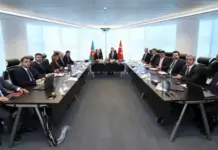
Turkish President Recep Tayyip Erdoğan and Russian President Vladimir Putin met on 1st September 2026 during the Shanghai Cooperation Organization summit in Bishkek. During these high-level discussions, President Erdoğan signaled that Moscow may participate in further nuclear energy expansion projects in Türkiye once the Akkuyu facility becomes operational.
Akkuyu and Future Development Plans
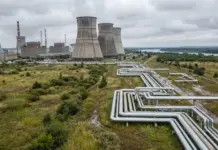
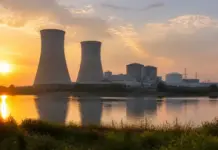
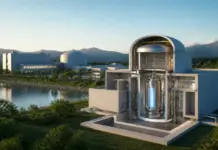
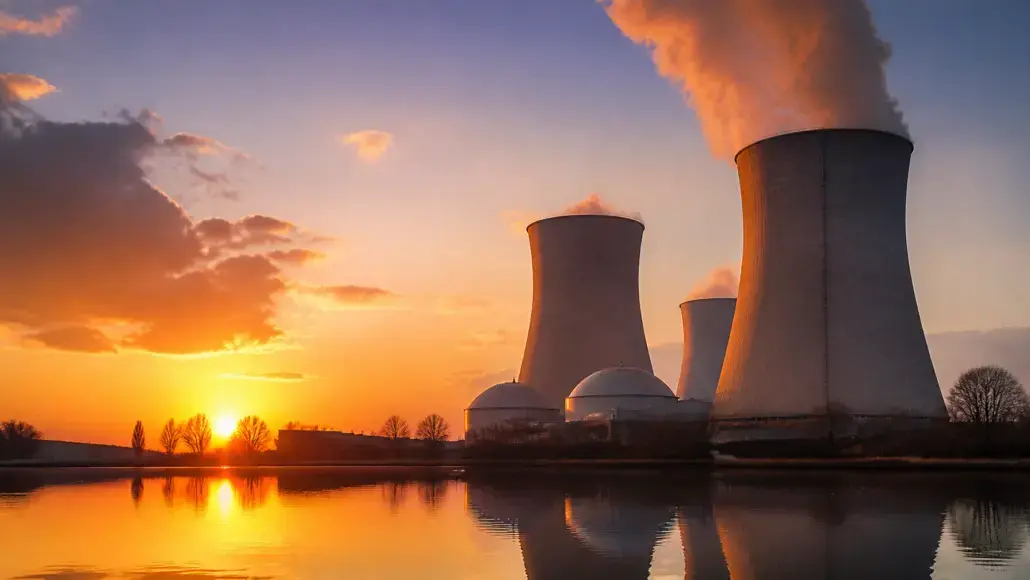
The Akkuyu project, which is Türkiye’s first commercial facility of this kind, is currently under construction in the Mersin province. This project stems from a 2010 agreement between the two nations. It involves four Russian-designed reactors with a combined capacity of 4.8 gigawatts.
President Putin identified Türkiye as a “privileged partner” and confirmed that the first reactor at the Akkuyu site is expected to begin operations in 2026. Russia remains heavily involved in the project through its state nuclear corporation, Rosatom, which operates the site under a build-own-operate model.
Looking forward, Türkiye is evaluating potential sites for additional power plants in the Sinop and Thrace regions. While the government has engaged in talks with several nations, including China, South Korea, and Canada, no official contractor has been selected for these future projects. These efforts are part of a broader strategy to decrease reliance on imported fossil fuels through nuclear energy expansion.
Financial Challenges and Other Details
The nuclear energy project has encountered construction delays and financing challenges following Western sanctions imposed after Russia’s invasion of Ukraine. In late 2025, Russia extended $9 billion in new financing to Turkey, while Ankara had forecast that the first reactor would start generating electricity in 2026.
Rosatom has considered offering Turkish companies a stake of up to 49 percent in Akkuyu. Meanwhile, approximately $2 billion earmarked for the project was frozen at JPMorgan due to restrictions linked to sanctions.
Government officials, including Russian Foreign Minister Sergey Lavrov and Rosatom Director General Alexey Likhachev, were present to facilitate discussions on ongoing reactors and infrastructure development. The meeting underscored the ongoing bilateral relationship between the two countries, which continues to evolve despite global economic pressures and external sanctions.