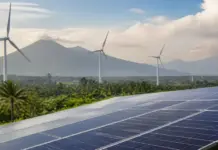
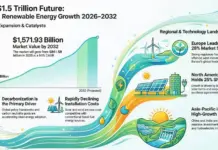

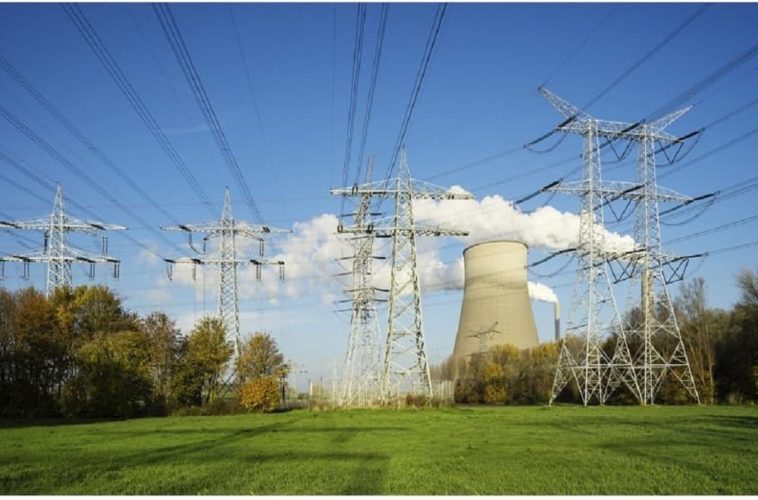



Renewable Energy Transition Market to Mark Huge Jump by 2035
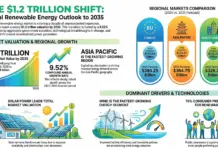
The global energy landscape is undergoing a dynamic evolution, driven by a powerful confluence of technological advancements, supportive regulatory frameworks, and rapidly shifting consumer...
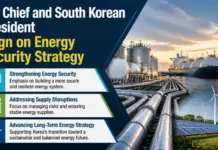
EBRD Solar and Battery Project Boosts Hungary Energy Sector
The European Bank for Reconstruction and Development (EBRD) is reinforcing Hungary’s energy security framework through a €70 million loan extended to special purpose vehicles...
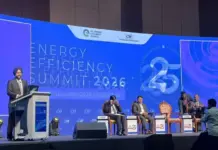
Germany Grants €200M Aid to Boost S Africa Grid, Renewables
Germany has advanced its support for South Africa’s energy transition by committing a concessional loan of €200 million, roughly equal to R4 billion. The...
Grid Resilience Strategies for Modern Power Networks
Analyzing the comprehensive frameworks and technological advancements that comprise effective grid resilience strategies to protect energy infrastructure from physical and cyber threats while ensuring continuous power delivery.
Renewable Integration Challenges in Power Protection
Exploring the technical complexities and evolving strategies associated with renewable integration power protection as grids transition from traditional synchronous generation to inverter-based energy resources.
Digital Substations Driving Grid Automation Efficiency
Discovering how the transition to digital substations through IEC 61850 standards and fiber-optic communication is revolutionizing grid automation efficiency and reliability across power networks.
Wide Area Monitoring Systems Transform Grid Visibility
Exploring how the integration of Wide Area Monitoring Systems and synchrophasor technology is providing unprecedented real-time visibility and situational awareness across continental-scale electrical power networks.
Subscribe Our Newsletters
White Papers
Transitioning Floating Offshore Wind into Mainstream Energy
As global electricity demand is projected to double by 2050, the role of offshore wind has never been more critical. However, traditional fixed-bottom technology...
Building A Global Presence For Growing EPC Companies
In today’s rapidly shifting energy and natural resource industry, every decision is global. New resources are discovered and developed, old ones are optimized, and...
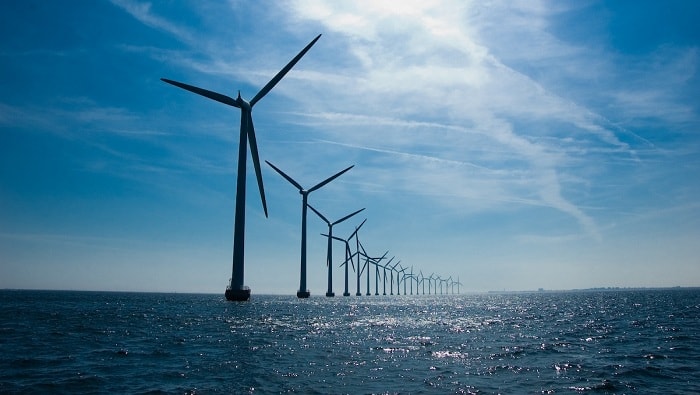
Wind Energy Moving Ahead
As the first country in the world, Denmark has decided to lead the transition and become entirely independent of fossil fuels by 2050. One...