












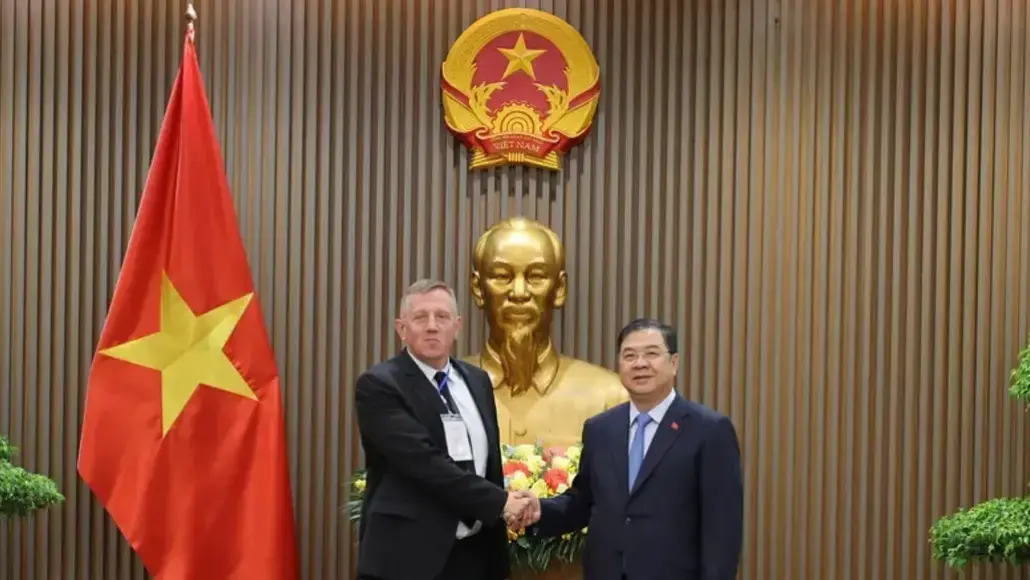
Vietnam is intensifying its focus on developing offshore wind power as a cornerstone of its energy transition strategy. This strategic push is driven by the nation’s rapidly escalating electricity demand and its long-term economic growth objectives. Vietnam’s Deputy Prime Minister Pham Gia Tuc highlighted these priorities during a recent meeting with representatives from the Global Wind Energy Council (GWEC).
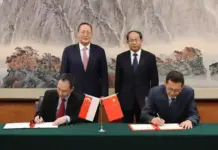
The meeting, attended by a GWEC delegation led by CEO Ben Backwell, underscored Vietnam’s commitment to expanding its renewable energy portfolio. The industry body, which represents a substantial portion of the global installed wind power capacity, engaged in discussions regarding investment and development opportunities within the Vietnamese market.
Tuc emphasized that Vietnam is accelerating its energy transition, with a particular focus on expanding renewable and new energy sources to fortify national energy security. The country has already achieved a notable milestone, with over 10,000 megawatts (MW) of wind and solar power capacity installed, contributing more than 10% to its total electricity generation. Offshore wind has been identified as a particularly promising segment poised to play an increasingly vital role in the future energy mix.
To foster this growth, the government is actively refining its legal and regulatory framework for the period of 2026-2030. Key areas of focus include marine surveys, investment procedures, and the implementation mechanisms for offshore wind projects.
Tuc welcomed GWEC’s expertise in sharing international best practices, offering policy recommendations, and facilitating connections between global investors and manufacturers with Vietnam’s burgeoning market. He expressed a strong desire for international partners to support the development of local supply chains, facilitate technology transfer, enhance workforce training, and invest in the necessary infrastructure for the offshore wind industry.
Representatives from several prominent international energy companies participating in the discussions indicated a strong interest in investing in Vietnam’s offshore wind sector. They stressed the importance of a stable and transparent regulatory framework that addresses the entire project lifecycle, from initial site surveys and feasibility studies through to construction and ongoing operations. Investors also called for finalized mechanisms for selecting project developers, emphasizing criteria such as financial strength, technical expertise, and the potential to generate wider economic benefits.
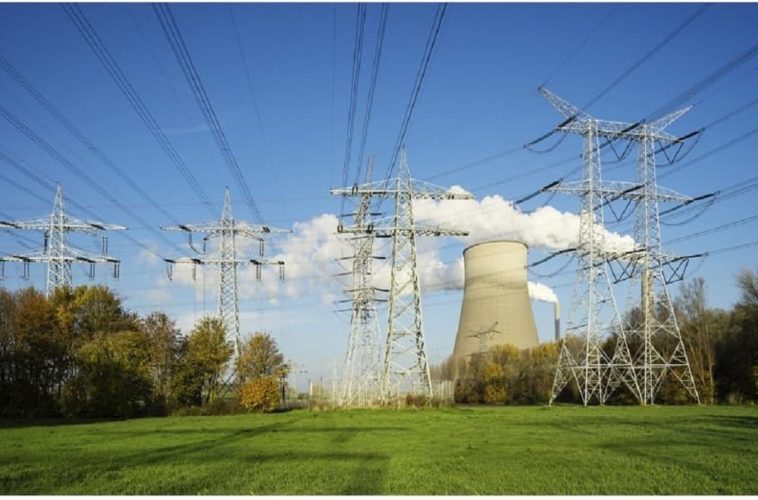
Further recommendations included the adoption of internationally recognized and bankable power purchase agreements (PPAs), the expansion of grid capacity to accommodate new generation, and the upgrading of port facilities. Ensuring that supporting infrastructure is developed in tandem with offshore wind projects was also highlighted as crucial. Several companies noted Vietnam’s significant potential for developing a domestic offshore wind supply chain and signaled their readiness to establish manufacturing facilities, transfer advanced technology, and provide comprehensive workforce training programs within the country.
Officials from various government ministries, including Industry and Trade, Finance, Construction, and Agriculture and Environment, provided clarification on crucial aspects such as electricity pricing, marine area allocation, financing policies, and strategic plans for developing offshore wind as a key national industry. In concluding the session, Deputy Prime Minister Tuc projected a substantial increase in Vietnam’s electricity demand in the coming years, directly linked to the nation’s ambitious economic growth targets.
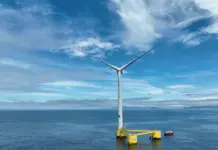
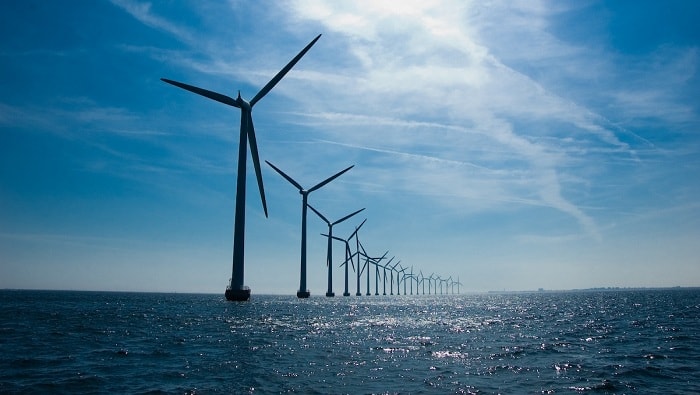
He indicated that renewable energy, alongside gas-fired power generation and nuclear energy, is expected to form the foundation of Vietnam’s future power system. Current government plans aim to commission between 6,000 MW and 17,000 MW of offshore wind capacity by 2030. This target is subject to acceleration should financially robust and technologically capable international investors commit to the sector. Projections suggest that by 2050, offshore wind could constitute between 14.7% and 16.6% of Vietnam’s total power generation capacity.
To facilitate this investment influx, the government is actively revising sector-specific regulations. A significant measure is Resolution 253/2025 from the National Assembly, which empowers authorities to approve both investment policies and select investors simultaneously for offshore wind projects. This strategic adjustment is anticipated to significantly shorten project preparation timelines and expedite the selection of qualified developers. The government reaffirmed its commitment to reducing administrative burdens, lowering compliance costs, and investing in critical supporting infrastructure, including deep-water ports, robust transmission networks, and efficient transport links.
“The government remains committed to listening to and engaging openly with the international business community, and views the success of investors as Vietnam’s success,” Tuc said.