















Kazakhstan has unveiled a major initiative to accelerate its just energy transition with the launch of the just energy transition investment platform (QaJET), announced during the Regional Ecological Summit 2026 in Astana on 22nd April 2026. The platform forms a central component of the country’s broader climate strategy, economic resilience agenda and long-term development planning. Through QaJET, Kazakhstan is positioning itself to scale up clean energy deployment while addressing the structural challenges associated with transitioning from a carbon-intensive energy system. The introduction of this just energy transition mechanism signals a coordinated effort to balance environmental commitments with economic priorities.
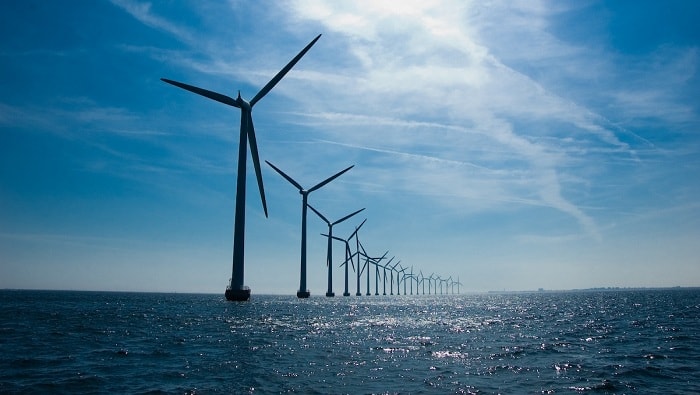
At the core of QaJET is a target to install 10 GW of new renewable capacity by 2035, backed by an estimated US$ 20 billion (€17.4 billion) in funding sourced from both private and state-backed channels. The programme is expected to reduce greenhouse gas (GHG) emissions by more than 20 million tonnes annually, accounting for roughly 7 per cent of Kazakhstan’s energy-related GHG emissions. A memorandum of understanding (MoU) formalising the initiative was signed by Kazakhstan’s Minister of Energy Yerlan Akkenzhenov, Minister of Ecology and Natural Resources Yerlan Nyssanbayev, and EBRD Managing Director, Central Asia and Mongolia, Hüseyin Özhan. This agreement lays the groundwork for collaboration with international financial institutions, donors, philanthropic organisations and private investors, all contributing to the delivery of the just energy transition framework.
The launch represents a notable step for a country where heavy industry remains carbon-intensive and coal continues to play a significant role in electricity generation. At the request of the government of Kazakhstan, the EBRD has supported the development of QaJET’s concept and will maintain a leading role in coordinating its execution with both national and international stakeholders. The platform also strengthens Kazakhstan’s commitment to achieving carbon neutrality by 2060, while aligning with its Nationally Determined Contribution goal of reducing net GHG emissions by up to 25 per cent by 2030 compared to 1990 levels. In this context, QaJET is designed to advance the just energy transition while enhancing energy security, boosting economic resilience and supporting industrial competitiveness.
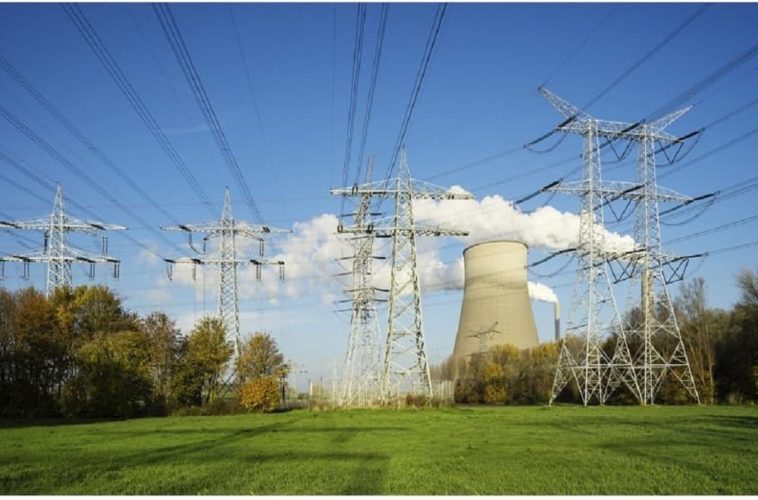
In addition to expanding renewable generation, QaJET outlines multiple areas of cooperation, including investments in electricity transmission and distribution networks, grid modernisation, upgrades to distribution infrastructure and the integration of battery storage systems. The initiative also supports electrification across businesses, small and medium-sized enterprises and households, alongside programmes focused on knowledge building, technology transfer, research and development and just transition support. The EBRD will leverage experience from similar platforms such as Egypt’s Nexus for Water, Food and Energy (NWFE) – Energy Pillar, the North Macedonia Just Energy Transition Investment Platform (JETIP), and the Türkiye Industrial Decarbonisation Investment Platform (TIDIP). To date, the EBRD has committed almost US$ 12 billion (€10.2 billion) across 345 projects in Kazakhstan, making it the largest and longest-running recipient of EBRD investment in Central Asia.