












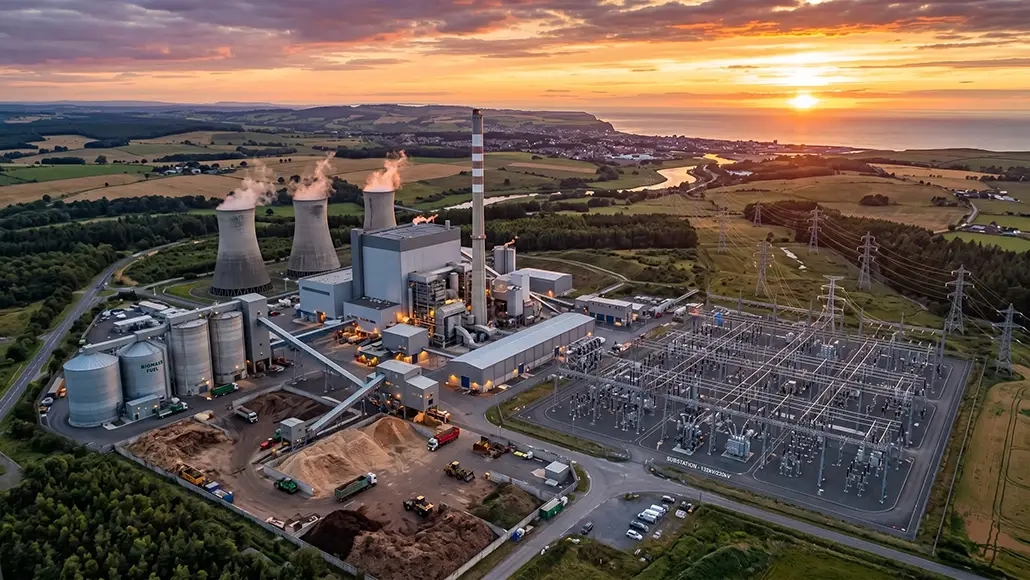
The global pursuit of a sustainable energy future often casts a spotlight on the dramatic growth of solar and wind power, celebrating their transformative capacity. While their contributions are undeniably monumental, the conversation frequently overlooks an equally vital, yet often unsung, hero of grid stability and continuous clean energy: biomass and bioenergy. These organic energy sources represent a critical, dispatchable component in our evolving energy landscape, offering a reliable backbone that intermittent renewables, by their very nature, cannot independently provide. For decades, biomass energy has quietly, yet powerfully, contributed to diverse energy portfolios worldwide, demonstrating its robust capacity for constant, on-demand electricity generation.
The true genius of biomass and bioenergy lies in their ability to harness the sun’s energy stored in organic matter and release it as electricity, heat, or fuel, much like fossil fuels, but within a renewable cycle. This fundamental characteristic makes them uniquely suited to deliver baseload renewable power, ensuring that lights stay on, industries hum, and critical infrastructure remains operational, irrespective of whether the sun is shining or the wind is blowing. Power Gen Advancement delves deeper to uncover why this often-underestimated sector is not merely a supplementary power source but an indispensable pillar for achieving a truly resilient and sustainable energy mix.
Unpacking the Imperative of Baseload Energy
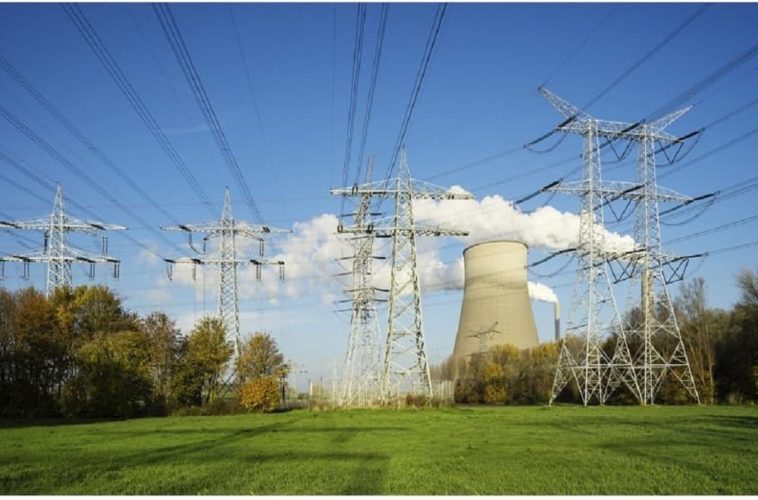
The modern electricity grid operates on a delicate balance: demand must constantly meet supply. Historically, this equilibrium has been maintained by large, centralized power plants, predominantly fueled by coal, natural gas, or nuclear fission, which run continuously to provide what is known as ‘baseload power’. This consistent supply forms the foundation upon which the entire energy system rests, covering the minimum level of demand over a 24-hour period.
The Evolving Energy Landscape and Intermittency Challenges
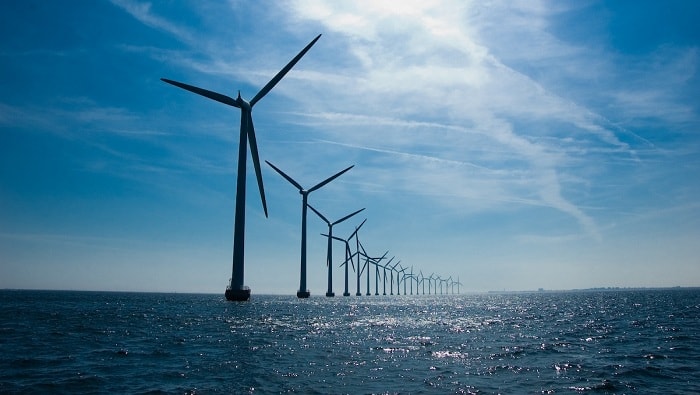
The accelerating transition to renewable energy has introduced new complexities. Solar and wind power, while incredibly clean, are inherently intermittent; their output fluctuates based on weather conditions. This variability poses significant challenges for grid operators tasked with maintaining stability. Without a reliable, dispatchable power source to fill the gaps when solar panels are dark or wind turbines are still, the grid becomes vulnerable to instability, voltage fluctuations, and even blackouts. This is precisely where the concept of renewable baseload energy becomes paramount, and where biomass energy steps forward as a powerful, proven solution. It offers the flexibility to be ramped up or down, much like traditional power plants, but with a significantly smaller carbon footprint and utilizing renewable resources. This capacity for consistent, controllable output positions bioenergy as an essential counterbalance, ensuring that the transition to a clean energy future is not just aspirational but practically achievable and robust.
The Mechanics of Biomass and Bioenergy as a Reliable Power Source
The term ‘biomass’ refers to organic material derived from plants and animals. ‘Bioenergy’ is the energy produced from this biomass. Unlike fossil fuels, which represent ancient stored solar energy, biomass utilizes recently captured solar energy, making its lifecycle considerably more sustainable when managed correctly. The diverse methods through which biomass is converted into usable energy are key to its consistent output.
From Organic Matter to Continuous Electricity: Diverse Pathways
The conversion of biomass into energy is not a monolithic process but a suite of technologies tailored to different feedstocks and energy outputs. Each method contributes to its overall reliability and ability to deliver biomass power generation as a renewable baseload energy source.
Direct Combustion: A Tried-and-True Method
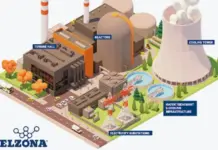
One of the oldest and most straightforward methods, direct combustion involves burning biomass (such as wood chips, agricultural waste, or dedicated energy crops) in a boiler to produce steam. This steam then drives a turbine connected to a generator, producing electricity. Modern biomass power plants are highly efficient, equipped with advanced emission controls, and can operate continuously, much like a conventional thermal power plant. This consistent operational capability is fundamental to providing baseload renewable power.
Anaerobic Digestion: Harnessing Methane for Power
Anaerobic digestion is a biological process where microorganisms break down organic matter in the absence of oxygen, producing biogas. Biogas, primarily methane, can be captured and used to generate electricity and heat through internal combustion engines or gas turbines. This method is particularly effective for agricultural waste, manure, and municipal organic waste, offering a dual benefit of waste management and energy production. The controlled nature of digestion allows for a steady supply of biogas, making it a reliable source for grid stability.
Gasification and Pyrolysis: Advanced Conversion Technologies
Gasification involves heating biomass in a controlled oxygen environment to produce a synthetic gas (syngas), which can then be used in gas engines or turbines to generate electricity. Pyrolysis involves heating biomass without oxygen to produce bio-oil, bio-char, and syngas. These advanced thermal conversion processes offer higher efficiency and versatility, allowing for the production of liquid fuels or chemicals in addition to electricity, further diversifying the value proposition of biomass energy. These technologies enhance the potential for low carbon power generation by optimizing fuel conversion.
A Symphony of Sustainable Feedstocks: Fueling the Future
The versatility of biomass as an energy source is largely due to the wide array of feedstocks it can utilize. This diverse resource base not only underpins its reliability but also offers significant opportunities for waste reduction and circular economy principles.
Agricultural Residues and Dedicated Energy Crops
Agricultural waste, such as crop residues (e.g., corn stover, bagasse from sugarcane), represents a vast, often underutilized resource. By diverting these materials from fields (where they might otherwise decompose and release methane) or open burning, they become valuable fuel for bioenergy. Additionally, dedicated energy crops like switchgrass, miscanthus, or short-rotation woody crops are specifically cultivated for energy production, often on marginal lands unsuitable for food crops, minimizing competition for agricultural land. These sustainably managed sources provide a consistent and renewable supply for biomass and bioenergy.
Forestry By-products and Sustainable Sourcing
Forestry residues, including branches, sawdust, and thinning waste from sustainably managed forests, also provide a substantial biomass energy feedstock. Modern forestry practices increasingly integrate bioenergy production, viewing waste as a resource. Crucially, sustainable sourcing practices, certified by organizations like the Forest Stewardship Council (FSC), ensure that biomass extraction does not lead to deforestation or ecological degradation, maintaining the carbon neutrality and environmental integrity of low carbon power generation from these sources.
The Transformative Potential of Waste-to-Energy
Perhaps one of the most compelling aspects of bioenergy is its role in waste-to-energy systems. Municipal solid waste (MSW) that would otherwise end up in landfills, generating methane (a potent greenhouse gas), can be processed to produce energy. This not only diverts waste but also offsets fossil fuel use, delivering a dual environmental benefit. Technologies range from incinerating processed waste to produce steam and electricity to anaerobic digestion of organic fractions of MSW. This approach significantly contributes to a sustainable energy mix by addressing both waste management challenges and energy needs simultaneously.
Beyond Electricity: Holistic Benefits of Bioenergy
The value of biomass and bioenergy extends far beyond simply generating electricity. Its integrated benefits resonate across environmental, economic, and social spheres, making it a truly multifaceted solution within the global energy transition.
Environmental Stewardship: Reducing Carbon Footprint and Waste
When sourced sustainably, biomass is considered carbon neutral or carbon negative over its lifecycle. The CO2 released during combustion is recaptured by new plant growth, creating a closed carbon loop. Furthermore, utilizing waste biomass prevents methane emissions from landfills and agricultural decomposition, contributing significantly to shipping emissions reduction if considering broader infrastructure, but in this context, directly to overall greenhouse gas mitigation. This low carbon power source also offers a solution to pressing waste management issues, reducing landfill dependency and promoting circular economy principles.
Bolstering Grid Stability and Energy Security
The dispatchable nature of biomass power generation is indispensable for grid stability. It acts as a reliable partner to intermittent renewables, ensuring a constant power supply regardless of weather conditions. This capability is paramount for preventing blackouts and maintaining the reliability of electricity services. Moreover, relying on domestically sourced biomass feedstocks enhances energy security, reducing dependence on imported fossil fuels and insulating countries from volatile global energy markets. This self-sufficiency strengthens national resilience and fosters a more predictable energy future.
Socio-Economic Catalysts: Rural Development and Job Creation
The cultivation, harvesting, processing, and transportation of biomass feedstocks, along with the operation of bioenergy plants, create jobs across various sectors, particularly in rural communities. This stimulates local economies, provides stable employment, and can offer new revenue streams for farmers and foresters. The distributed nature of biomass resources means that biomass energy projects can often be developed closer to the source of the feedstock, fostering localized energy independence and economic growth.
Navigating the Complexities: Addressing Criticisms and Advancements
No energy source is without its challenges, and biomass energy has faced its share of scrutiny. Power Gen Advancement notes that responsible development and continuous innovation are crucial to ensuring its sustainability and maximizing its benefits.
Sustainability Debates: Ensuring Responsible Sourcing
Concerns have been raised regarding the sustainability of biomass, particularly regarding land use competition with food crops, potential deforestation if not managed correctly, and the true carbon footprint of certain feedstocks. However, the industry has responded with rigorous sustainability standards, certifications, and best practices focusing on waste streams, degraded lands, and sustainable forest management. Emphasizing waste-to-energy projects and the use of agricultural and forestry residues greatly mitigates these concerns, solidifying biomass’s role in a sustainable energy mix. Continued research and transparent reporting are key to addressing these valid concerns and strengthening the sector’s credentials.
Technological Innovations Driving Efficiency and Lower Emissions
The biomass power generation sector is not stagnant; it is continuously evolving. Advances in conversion technologies, such as torrefaction, which improves the energy density and handling characteristics of biomass, and co-firing with other fuels, are enhancing efficiency. Furthermore, the integration of Carbon Capture and Storage (CCS) technologies with biomass plants, known as Bioenergy with Carbon Capture and Storage (BECCS), holds the potential for achieving net-negative emissions, actively removing CO2 from the atmosphere. These innovations are crucial for further cementing biomass’s role as a low carbon power source and ensuring its long-term viability.
Integrating Biomass into a Robust Sustainable Energy Mix
The future of energy is undeniably diversified. No single technology will provide all the answers; rather, a judicious blend of various renewable sources, each playing to its strengths, will be required. This is where biomass and bioenergy finds its most compelling niche.
Complementing Intermittent Renewables for a Balanced Grid
Imagine a future grid powered predominantly by solar and wind. During peak generation periods, these sources can meet a significant portion of demand. However, when output drops, the grid needs an immediate, reliable fill-in. This is the precise role of renewable baseload energy from biomass. It can be ramped up or down quickly, providing the flexibility and dispatchability required to balance the grid, prevent curtailment of renewable energy, and ensure uninterrupted power supply. This synergistic relationship is vital for grid stability and accelerates the overall adoption of clean energy.
The Role of Policy and Investment in Accelerating Adoption
To fully harness the potential of biomass energy, supportive policies and strategic investments are essential. Government incentives, renewable energy mandates, and research funding for advanced technologies can drive further innovation and market penetration. Policies that recognize the holistic benefits of bioenergy – including waste management, energy security, and rural economic development – will be crucial for integrating it effectively into national and global energy strategies. Investment in sustainable feedstock supply chains and modern conversion facilities will pave the way for biomass to realize its full potential as a foundational element of our energy future.
The Indispensable Role of Biomass and Bioenergy in Our Energy Future
As the world strives towards ambitious decarbonization targets, the comprehensive toolkit of renewable energy solutions must be fully utilized. Biomass and bioenergy stands as a robust, proven technology, offering critical stability and continuous generation capabilities that are essential for a resilient, low-carbon grid. From transforming waste into valuable energy to bolstering energy security and fostering rural development, its contributions are profound and multifaceted.
While challenges related to sustainable sourcing and efficiency remain areas for continuous improvement, ongoing technological advancements and stringent sustainability frameworks are steadily addressing these concerns. The narrative around biomass and bioenergy needs to evolve from being an overlooked component to being recognized as an indispensable pillar. Power Gen Advancement recognizes this mode of energy as a dispatchable, carbon-friendly complement to intermittent renewables, absolutely vital for securing a balanced and sustainable energy future. By embracing the full potential of biomass energy within a diversified sustainable energy mix, people can build an energy system that is not only clean but also robust, secure, and truly capable of meeting the demands of a rapidly changing world. The consistent hum of biomass power generation will be a cornerstone of this transformative journey.