








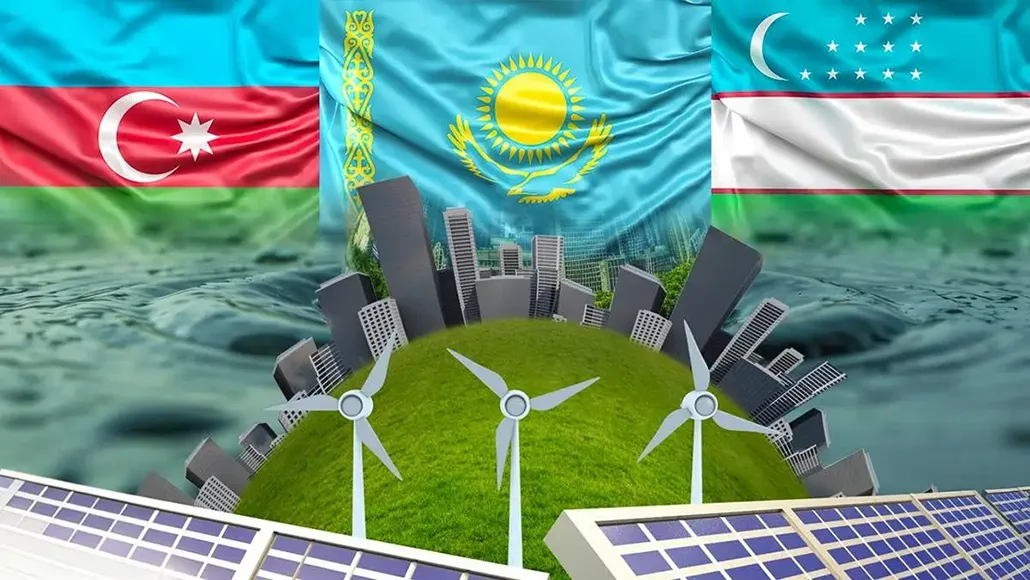
A new trajectory is taking shape on the global energy landscape, driven by a deepening strategic partnership between Uzbekistan, Kazakhstan, and Azerbaijan. The three countries intend to create a “Green Corridor” to jointly export green energy to Europe. This trilateral cooperation marks a significant development aimed at reinforcing regional energy security while advancing the global transition toward sustainable energy systems. Central to this evolving framework is the shared commitment, trust, and long-standing ties among the leaders of the three nations, who have prioritized long-term responsibility toward future generations. The initiative, anchored by the Green Corridor, reflects a unified vision to expand renewable energy integration and strengthen cross-border collaboration.
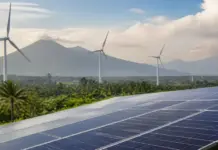
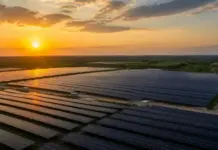
Uzbekistan has, in recent years, accelerated reforms focused on renewable energy deployment under its Green Development Strategy. Across the country, 15 solar and 5 wind power plants with a combined capacity of 5,582 MW have already been brought online. Of this total, solar photovoltaic installations account for 3,930 MW, while wind facilities contribute 1,652 MW. To support supply stability, 12 energy storage systems with an overall capacity of 1,545 MW have also been commissioned. In 2025, these renewable assets generated 10.5 billion kWh of electricity, while output from the beginning of 2026 to 15th April surpassed 2.5 billion kWh. Authorities are targeting 15 billion kWh by the end of the year. By 2030, Uzbekistan aims to reach 21 GW in combined solar and wind capacity, with 54% of national electricity generation sourced from renewables. These efforts are expected to save 18 billion cubic meters of natural gas annually and prevent the release of 25 million tons of harmful emissions. The Green Corridor initiative complements these ambitions by enabling broader regional energy integration.
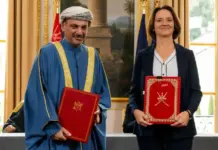
Cooperation with neighboring Kazakhstan remains a critical component in achieving these targets. During the recent visit of the President of the Republic of Kazakhstan Kassym-Jomart Tokayev to Uzbekistan, both sides outlined strategic priorities, particularly in the energy sector. This bilateral engagement is seen as essential not only for the stability of the two nations but also for the wider region. Building on this foundation, the Green Corridor project has progressed through several milestones, beginning with a Memorandum of Understanding signed in May 2024 and followed by the Strategic Partnership Agreement concluded at the COP-29 international summit in Baku in November of the same year. This agreement marked a new phase in both energy production and transmission.
Implementation of the Green Corridor continues through coordinated steps. A founding agreement signed on 27th December 2024, brought together national operators JSC “National Electric Grid of Uzbekistan,” JSC “KEGOC,” and JSC “Azerenerji.” Further discussions in early 2025 in Tashkent, involving representatives from the Ministry of Energy of the Kingdom of Saudi Arabia, highlighted the project’s growing international relevance. The formation of the Green Corridor Alliance Limited Liability Company in Baku on 1st July 2025, established an institutional framework, while Italy’s CESI was engaged to prepare a feasibility study under an agreement with the Asian Development Bank, expected by early 2027. Technical and economic modeling is currently underway. This collaboration is positioned to support the export of “green” energy to Europe and facilitate the development of a unified, environmentally sustainable, and digitally advanced regional energy system.