

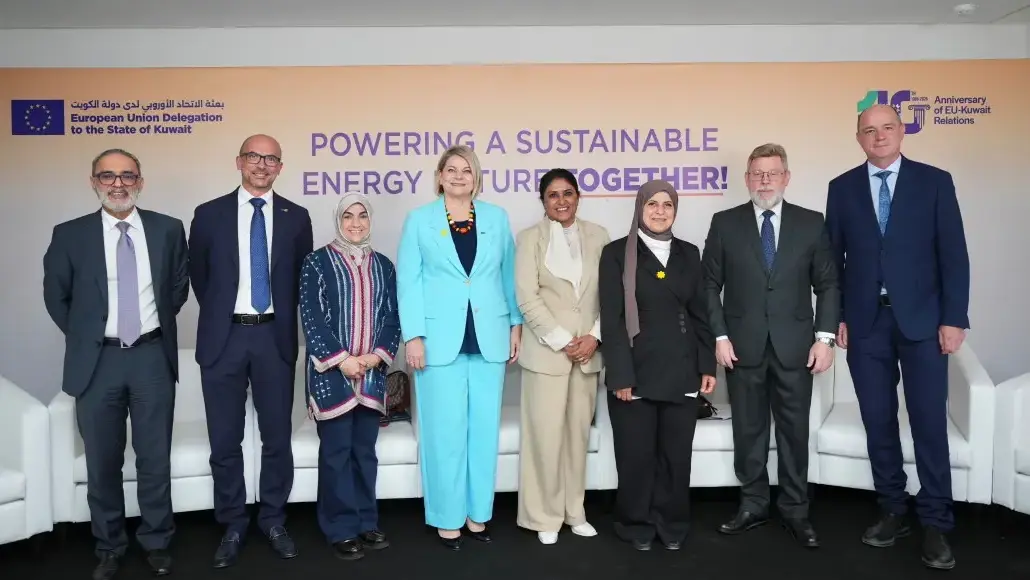
The European Union and Kuwait have reaffirmed their commitment to advancing cooperation in the energy sector during a high-level roundtable seminar held in Kuwait. This significant gathering brought together key stakeholders from both regions to discuss opportunities and strategies for supporting Kuwait’s comprehensive energy transition under its Vision 2035 development strategy.
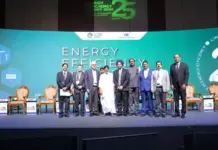
The EU-Kuwait energy roundtable was organized by the EU Delegation to Kuwait as part of commemorations marking 40 years of diplomatic relations between the EU and Kuwait. The roundtable brought together representatives from Kuwait’s Ministry of Electricity, Water and Renewable Energy, the Kuwait Institute for Scientific Research (KISR), the Kuwait Foundation for the Advancement of Science (KFAS), the Kuwait Petroleum Corporation (KPC), alongside leading European energy experts and diplomats.
Focus Areas for EU-Kuwait Energy Cooperation
The discussions at the EU-Kuwait energy cooperation event centered on multiple dimensions of energy sector development. Participants examined promising opportunities across renewable energy projects, advanced technology deployment, infrastructure development, regulatory framework enhancement, investment mobilization, and capacity building initiatives.
The deliberations reflected the broader context of Kuwait’s commitment to achieving carbon neutrality by 2060, a goal that requires comprehensive restructuring of the nation’s energy landscape and increased reliance on clean energy sources.
European Expertise in Kuwait’s Energy Sector
EU Ambassador to Kuwait Anne Koistinen emphasized the long-standing contribution of European professionals to Kuwait’s energy development. She noted that European experts have collaborated with Kuwaiti counterparts for decades across multiple energy domains, including conventional oil and gas operations, renewable energy projects, engineering consultancies, technical standardization bodies, and policy advisory services.
Koistinen highlighted that the current roundtable built upon outcomes from the EU-Kuwait Green Transition Forum held in February, which was organized under the leadership of Kuwait’s Minister of Electricity, Water and Renewable Energy, Dr Sabeeh Al-Mukhaizeem. That forum brought together government officials, research institutions, and private-sector stakeholders to strengthen collaboration on clean energy, climate resilience, and skills development.
Strategic Partnership Framework
The EU Ambassador indicated that negotiations are being prepared for an EU-Kuwait Strategic Partnership Agreement. This formal framework would provide structured foundations for existing cooperation efforts and place particular emphasis on energy sector collaboration, creating pathways for more coordinated and sustained engagement between the two parties.
Key Outcomes and Stakeholder Perspectives
Dina AlNakib, Senior Director of Research and Technology Deployment at KFAS and moderator of the roundtable, emphasized the event’s success in bringing together leading European and Kuwaiti energy stakeholders. She noted that the EU-Kuwait energy roundtable effectively demonstrated the contributions of EU professionals within Kuwait’s energy sector and identified avenues for deepening cooperative efforts.
According to AlNakib, participants highlighted several critical elements necessary for effective energy transition. These included operational excellence, infrastructure readiness, technology deployment, supportive regulatory and investment frameworks, institutional knowledge transfer, and stronger partnerships among government agencies, industry, research organizations, and diplomatic stakeholders.
Learning from EU’s Energy Transition Experience
The EU-Kuwait energy roundtable also showcased valuable lessons from the EU’s own energy transition journey. Speakers highlighted that renewable energy now generates more electricity across the EU than fossil fuels, reflecting the bloc’s substantial restructuring of its energy system over the past decade.
This European experience holds particular relevance for Kuwait as it seeks to expand clean energy deployment and diversify its energy mix. The EU Delegation to Kuwait indicated its commitment to ongoing engagement with Kuwait to advance green transition initiatives. The organization stated that it will continue supporting the development of a more sustainable and resilient energy system through innovation, expertise sharing, and long-term strategic cooperation between the two partners.