






















Excess debt and capacity aren’t the only problems facing China. As pollution rises to levels that require people to wear masks outdoors and to be encouraged to stay indoors, the Chinese government is putting greater emphasis on environmental sustainability.
To what extent has this negatively affected coal power output and the seaborne coal trade? Quite drastically, you would say from looking at the chart above. The blue line shows thermal power output, which uses coal as a fuel, and the green line shows total electricity output from all sources. Thermal power output grew to ~20% during the second half of 2013 but has since dropped to just 5.0%.
Total electricity output growth fell (not shown above) as economic growth slowed, though this was also because the government tightened pollution controls and is on the move to close smaller coal mines that are generally more inefficient and dangerous.
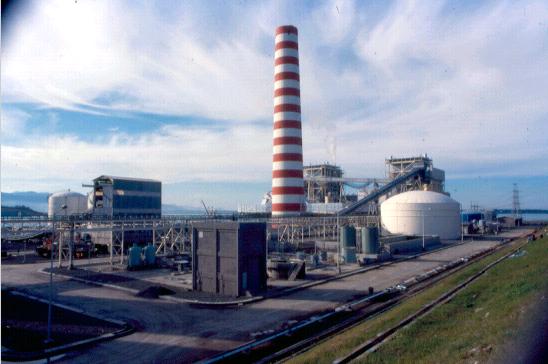
Will coal consumption growth go away? That’s unlikely, since the fossil fuel remains one of the cheapest and most abundant energy sources available to China. Stricter emission controls will likely be enforced, and coal plants will still be developed for smaller cities. Given that several coal-to-gas plants were approved last year, coal consumption is expected to continue to grow.
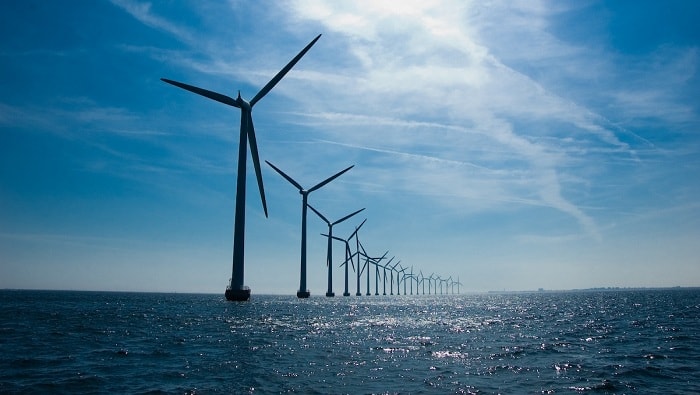
But given the government’s greater emphasis on pollution, and that China is at a stage where growth transitions from an infrastructure-led economy to a consumption-driven economy, investments in renewable energies, nuclear power, and natural gas are expected to take on a wider role.
China’s thermal power output growth will definitely be a topic dry bulk investors and shipping companies will look at. But how has this, or how will this, affect the seaborne coal trade and dry bulk shipping companies such as DryShips Inc., Diana Shipping Inc., Safe Bulkers Inc., Knightsbridge Tanker Ltd., and the Guggenheim Shipping ETF?