







The landscape of industrial lighting has undergone a radical transformation over the past decade, moving away from high-energy legacy systems toward sophisticated solid state lighting solutions. Today, the focus has shifted to next generation LED technologies, which promise even greater levels of industrial efficiency and performance. In heavy-duty manufacturing environments, lighting is not just a utility but a critical component of operational safety and productivity. PowerGen Advancement notes that by adopting these advanced systems, organizations can achieve unprecedented power savings while simultaneously improving the quality of the workspace. The move toward next generation LED technologies represents a significant step in the evolution of industrial infrastructure, where every lumen is optimized for both cost-effectiveness and environmental responsibility.
Beyond direct energy reduction, modern industrial lighting can influence how efficiently an entire facility operates. Lighting requirements vary considerably across assembly lines, storage areas, inspection zones, loading bays, workshops, and administrative spaces. Next generation LED technologies allow businesses to consider these differences when designing lighting systems. Instead of relying on a uniform lighting approach throughout a facility, operators can deploy solutions suited to specific operational requirements. This approach can improve visibility in areas where precision is essential while avoiding unnecessary energy consumption in spaces with lower activity levels.
Elevating Manufacturing Standards with Advanced Lighting
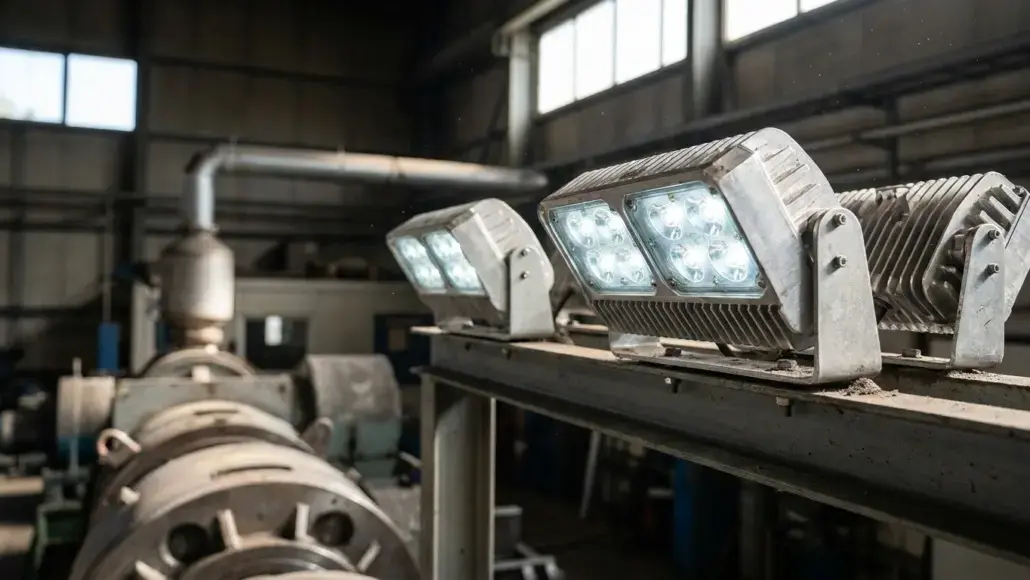
In the demanding world of manufacturing, lighting systems must withstand harsh conditions, including high temperatures, dust, and vibration. Traditional high-bay lighting often struggled to maintain performance under these stresses, leading to frequent maintenance and inconsistent light quality. However, next generation LED technologies have been specifically engineered to address these challenges. With superior thermal management systems, these modern fixtures dissipate heat more effectively, ensuring that the LED efficiency remains high even in the most intense industrial settings. This reliability is paramount for maintaining safety standards, as consistent and clear illumination reduces the risk of accidents and errors on the production floor.
The transition to next generation LED technologies also offers a unique opportunity to enhance the visual comfort of workers. Unlike older lighting sources that often produced glare or flickered, modern solid state lighting provides uniform, high-color-rendering light that mimics natural daylight. This improvement in light quality has been shown to boost employee alertness and well-being, directly contributing to overall industrial efficiency. When workers can see their tasks clearly and without strain, precision increases and waste decreases. Thus, the implementation of next generation LED technologies is as much an investment in human capital as it is in physical infrastructure, creating a safer and more productive environment for all.
Another important consideration is the ability of modern fixtures to maintain consistent illumination over extended operating periods. Industrial facilities frequently operate on demanding production schedules, making dependable lighting essential. Fluctuations in illumination can affect inspection activities, equipment operation, material handling, and workplace visibility. Advanced LED systems are designed to provide stable performance while supporting the demanding requirements of continuous industrial operations. This consistency can be particularly valuable in facilities where production takes place around the clock and lighting cannot be treated as an intermittent utility.
Lighting design can also contribute to better utilization of industrial space. As manufacturing operations become more automated and production layouts evolve, lighting systems must accommodate changing work areas and equipment configurations. Modular LED fixtures and adaptable controls can make it easier for facility managers to modify lighting arrangements when production lines are expanded, relocated, or reorganized. This flexibility gives industrial operators greater control over infrastructure investments and helps ensure that lighting remains aligned with operational needs over the long term.
Maximizing LED Efficiency and Power Savings
The primary driver for the adoption of next generation LED technologies is undoubtedly the potential for massive power savings. While first-generation LEDs were already a significant improvement over traditional bulbs, the latest advancements have pushed the boundaries of what is possible. Current next generation LED technologies offer significantly higher lumens-per-watt ratios, meaning they produce more light while consuming even less energy. For a large-scale manufacturing facility operating 24/7, these incremental gains in LED efficiency translate into thousands of dollars in annual savings. By replacing outdated high-bay lighting with these advanced systems, companies can drastically reduce their overhead while moving closer to their sustainability targets.
Furthermore, the integration of intelligent controls with next generation LED technologies allows for even more sophisticated energy management. Features such as dimming, motion sensing, and daylight harvesting ensure that industrial lighting is only active when necessary. This level of control is essential for maximizing industrial efficiency, as it prevents the common problem of lights being left on in unoccupied warehouses or storage areas. The combination of high-intrinsic LED efficiency and smart automation creates a lighting ecosystem that is both highly responsive and incredibly frugal. As energy costs continue to rise, the economic case for deploying next generation LED technologies becomes increasingly undeniable for any forward-thinking industrial enterprise.
Energy savings can become even more significant when lighting upgrades are integrated into broader facility management strategies. Industrial operators can use lighting controls to establish different operating schedules for production areas, warehouses, corridors, and external spaces. Sensors can respond to occupancy levels, while automated systems can adjust illumination according to available natural light. These capabilities allow facilities to reduce unnecessary consumption without compromising essential visibility. Over time, such incremental reductions can contribute substantially to a facility’s overall energy management objectives.
The financial benefits also extend beyond electricity consumption. More efficient lighting can reduce the load placed on electrical infrastructure, potentially supporting broader efforts to optimize facility energy use. When lighting systems consume less electricity and operate more efficiently, businesses can better manage their energy requirements across large facilities. This becomes increasingly relevant as manufacturers seek to balance rising production demands with sustainability goals and tighter operational budgets.
The Role of Thermal Management and Solid State Reliability
A key technical challenge in industrial lighting is managing the heat generated by high-output light sources. Excessive heat can degrade LED chips and drivers, leading to a loss of brightness and a shortened lifespan. Next generation LED technologies address this through innovative thermal management designs, such as advanced heat sinks and liquid-cooled systems. These features allow fixtures to maintain optimal operating temperatures, preserving the integrity of the solid state lighting components. This focus on durability ensures that the investment in next generation LED technologies provides a long-term return, with fixtures often rated for over 100,000 hours of continuous use.
The reliability of these systems also significantly reduces the burden on maintenance teams. In a manufacturing plant with high ceilings, changing a single high-bay lighting fixture can be a complex and dangerous task requiring specialized equipment. By switching to next generation LED technologies, facilities can virtually eliminate the need for frequent relamping. This reduction in maintenance downtime is a critical factor in overall industrial efficiency, allowing teams to focus on core production activities rather than routine utility upkeep. The robust nature of modern solid state lighting ensures that even in the most rigorous environments, the lighting remains a stable and dependable asset.
Durability is particularly important in facilities exposed to vibration, airborne particles, humidity, and temperature fluctuations. Lighting equipment in these environments must maintain its performance without creating additional operational risks. Advanced enclosure designs and improved component protection can help modern fixtures withstand demanding conditions. This makes next generation LED technologies suitable for a broad range of industrial applications, including manufacturing plants, warehouses, processing facilities, workshops, distribution centers, and other heavy-duty environments.
The longer operating life of LED systems can also simplify maintenance planning. Rather than scheduling frequent replacement cycles, facility managers can focus on condition monitoring and planned maintenance activities. This can improve workforce allocation and reduce the disruption associated with accessing elevated fixtures. For large industrial sites, these benefits can become especially valuable because maintenance activities often require production areas to be temporarily restricted or equipment to be moved.
Smarter Controls and Connected Industrial Lighting
The development of connected lighting is adding another layer of functionality to industrial LED systems. Modern lighting networks can connect fixtures, sensors, controllers, and facility management platforms, allowing operators to monitor and adjust lighting conditions more effectively. These systems can provide information about operating hours, energy consumption, occupancy patterns, and equipment performance. Such information can support more informed decisions about facility management and future infrastructure investments.
Connected lighting can also support predictive maintenance strategies. When lighting systems are capable of communicating operational information, facility managers can identify unusual performance patterns before a complete failure occurs. This approach can reduce unexpected interruptions and help maintenance teams prioritize tasks based on actual equipment conditions. As industrial operations become increasingly data-driven, lighting can become another source of operational information rather than remaining an isolated utility system.
Future Horizons for Industrial Lighting Systems
As we look toward the future, the evolution of next generation LED technologies will continue to be shaped by developments in material science and digital connectivity. We are already seeing the emergence of human-centric lighting that can adjust its color temperature throughout the day to support circadian rhythms. Additionally, the integration of next generation LED technologies with IoT platforms will turn every light fixture into a data-gathering node, providing insights into factory floor occupancy and asset tracking. These advancements will further solidify the role of lighting as a cornerstone of the modern Smart Factory, where industrial efficiency is driven by a combination of high-performance hardware and intelligent software.
Future industrial lighting systems are also likely to become increasingly adaptable. As manufacturing facilities incorporate more robotics, automated material handling, artificial intelligence, and connected equipment, lighting infrastructure will need to operate alongside these technologies. Smart lighting platforms can potentially respond to changing production schedules and facility conditions, creating more dynamic environments. This adaptability could help organizations avoid major infrastructure changes whenever production requirements evolve.
Sustainability will remain another important factor in the development of industrial lighting. Manufacturers are increasingly examining the full lifecycle of infrastructure investments, including energy consumption, maintenance requirements, operating life, and resource efficiency. Next generation LED technologies can contribute to these objectives by combining lower energy requirements with long operating lifespans and reduced maintenance needs. These characteristics make advanced lighting an important element of broader industrial sustainability strategies.
In conclusion, next generation LED technologies represent the pinnacle of modern industrial lighting. PowerGen Advancement believes that by delivering exceptional power savings, enhanced safety, and unmatched reliability, these systems are essential for any manufacturing operation looking to thrive in a competitive and resource-constrained world. The focus on LED efficiency and advanced thermal management ensures that the lighting infrastructure is both sustainable and durable. As organizations continue to prioritize industrial efficiency, the move toward next generation LED technologies will undoubtedly remain a top priority. By embracing these advancements today, industrial leaders are ensuring a brighter, safer, and more efficient future for their operations and their workforce alike.