
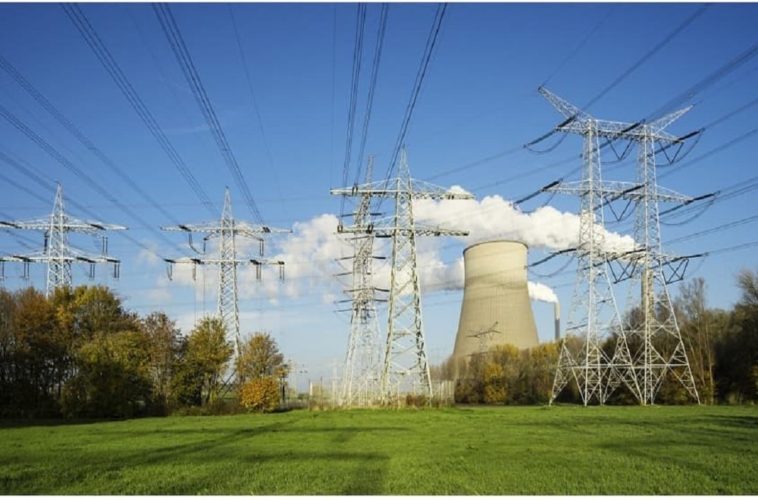
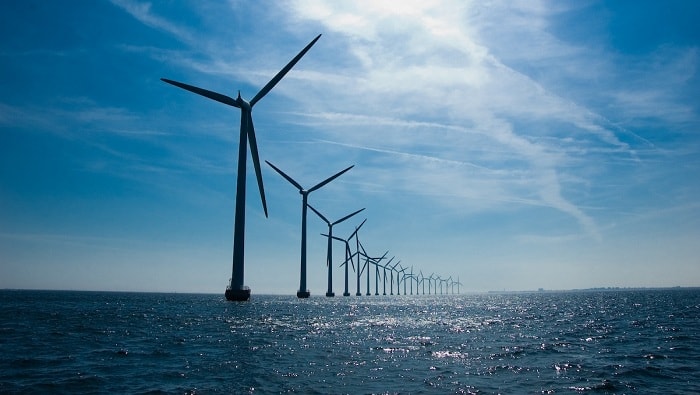



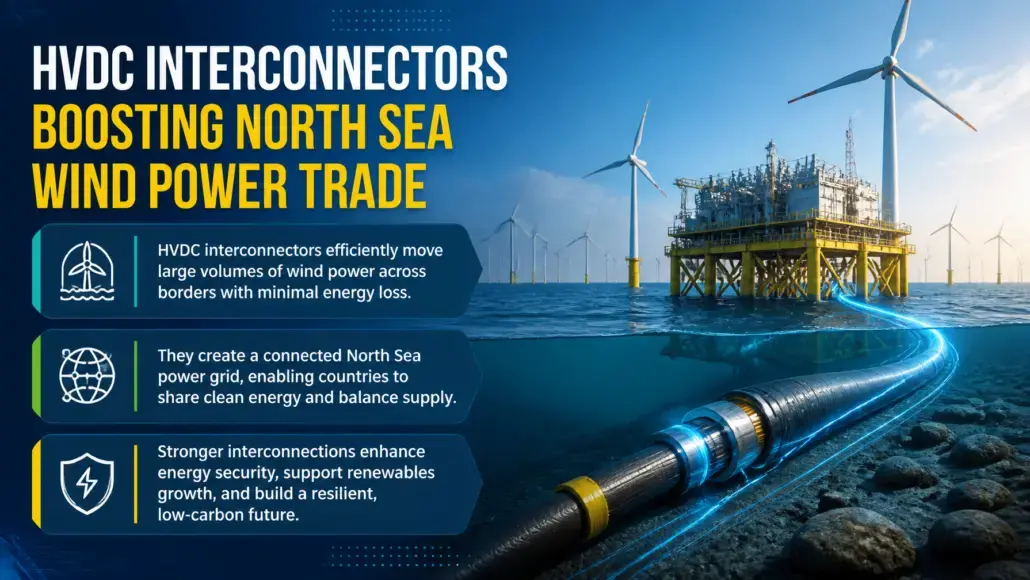
The landscape of European energy production is undergoing a fundamental shift as the North Sea transforms into a massive green power plant. This evolution relies less on traditional fuels and more on the ability to move vast quantities of electricity across borders with minimal loss. High-voltage direct current technology has emerged as the critical infrastructure enabling this transition. As of late 2026, the deployment of HVDC interconnectors has moved beyond simple point to point links to become the primary mechanism for international renewable energy trade. The ability to transport electricity over hundreds of kilometers with efficiency levels exceeding 97 percent is not just a technical achievement but a cornerstone of the continent’s energy security strategy.
The economic logic driving these projects is undeniable. Large scale offshore wind farms in the North Sea often produce more power than their domestic markets can consume during peak conditions. Without sophisticated transmission links and HVDC interconnectors, this clean energy would be curtailed or wasted. Instead, these links allow surplus wind power from the United Kingdom or Denmark to flow directly to industrial hubs in Germany or Norway. This capability stabilizes prices and ensures that renewable assets operate at maximum efficiency, creating a more resilient market for both producers and consumers.
Scaling the European Offshore Grid Investment
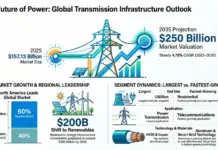
The scale of investment required to support this offshore expansion is significant and reflects the urgency of the climate transition. According to models from ENTSO-E, the total European offshore grid investment needs are projected to exceed 400 billion euros by 2050. The North Sea alone accounts for more than 65 percent of this total allocation, reflecting its status as the primary engine of European renewable growth. Market data for 2026 indicates that the global HVDC transmission market has reached a valuation of approximately 15.50 billion USD, a figure that continues to climb as more nations commit to long distance subsea infrastructure.
Major projects are now reaching critical milestones that were once considered technically impossible. The NeuConnect link, representing a 2.4 billion GBP investment, has achieved major continuous cable lay progress throughout 2025 and 2026. This 725 kilometer link connects the Isle of Grain in the United Kingdom to Wilhelmshaven in Germany. By utilizing 525 kV extruded XLPE cables and Siemens Energy converter stations, the project will eventually move 1.4 GW of electricity between two of Europe’s largest energy markets. This link is particularly noteworthy for being the first direct power connection between the UK and Germany, providing a vital bridge for energy trade.
Other notable developments include a range of large scale infrastructure initiatives:
- LionLink, a joint development between National Grid Ventures and TenneT, which received regulatory approval to connect Dutch offshore wind simultaneously to the UK and Netherlands markets.
- Eastern Green Link 2 (EGL2), a 2 GW subsea project linking Peterhead in Scotland to Drax in England, utilizing Hitachi Energy converter systems and Prysmian cables.
- The continued expansion of the Dogger Bank Wind Farm, where Dogger Bank B entered full operation in 2025 and Dogger Bank C is nearing completion in late 2026, utilizing massive 320 kV subsea cabling.
- TenneT standardized its 2GW Program, which involves 14 separate 525 kV HVDC connections to streamline manufacturing and installation, reducing the cost of offshore infrastructure by up to 20 percent.
- Princess Elisabeth Island, the world’s first artificial energy island, which serves as a central hub for integrating multi vendor HVDC systems in the Belgian North Sea.
Technical Breakthroughs in Subsea Transmission
The move to 525 kV technology represents a major leap in transmission capacity that has redefined the boundaries of grid engineering. Higher voltage levels allow for the movement of more power through smaller cable diameters, reducing both material costs and environmental impact during installation. The industry is also moving away from traditional mass impregnated cables toward cross linked polyethylene insulation, which offers better thermal performance and easier handling for deepwater projects. These technical improvements have made it possible to deploy cables at depths and distances that were previously considered cost prohibitive.
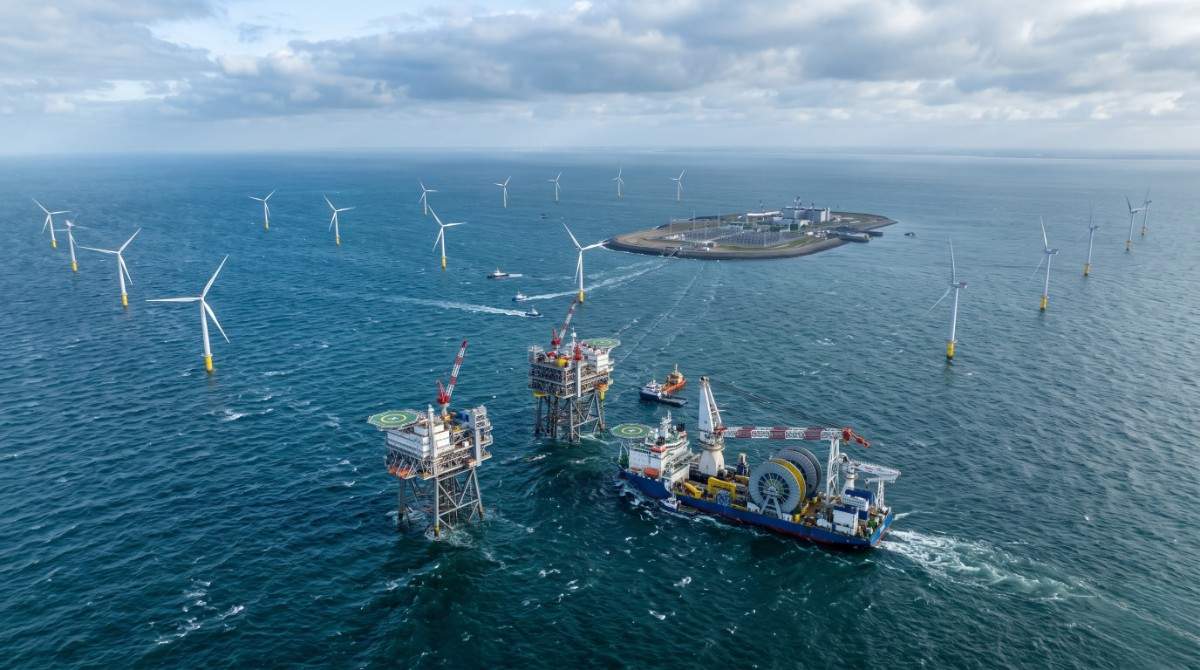
Interoperability remains a significant focus for grid operators and technology providers alike. Historically, HVDC systems were proprietary, meaning a single vendor provided both ends of a link. In 2026, the adoption of the InterOPera standard has begun to allow multi vendor HVDC control systems to work together for the first time. This shift is essential for creating a truly meshed offshore grid where different national networks can interact without technical friction. While the North Sea serves as a template for advanced subsea integration, the ASEAN power grid integration is scaling up to facilitate cross-border renewable energy trade in Southeast Asia.
The reliance on these links has increased the importance of grid stability services. Modern HVDC Light Voltage Source Converters, such as those deployed at Dogger Bank, provide more than just simple power transport. They offer reactive power support and black start capabilities, which are vital for maintaining system frequency as coal and gas plants are decommissioned across the continent. These converter stations act as the brain of the grid, managing the complex interactions between different national frequencies and ensuring that a fault in one country does not propagate across the entire North Sea network.
Market Dynamics and the Future of Energy Islands
The integration of offshore wind into the broader European market is changing how utilities approach capital expenditure and long term planning. Hitachi Energy and Siemens Energy have both reported order backlogs exceeding 30 billion euros in 2026, driven largely by the demand for large scale converter stations and specialized subsea cabling. This surge in demand has led to a focus on standardization to reduce lead times and engineering complexity, allowing for a faster rollout of critical infrastructure.
Grid operators are also exploring the concept of multi purpose interconnectors and energy islands. These hybrid projects do not just link two countries but also serve as the connection point for offshore wind clusters located between them. This approach reduces the total amount of cabling required and minimizes the footprint on the seabed, which is becoming increasingly crowded with infrastructure. As the Ostend Declaration mandates a target of 300 GW of offshore wind by 2050, these hybrid designs will become the standard for future North Sea developments.
The business model for these projects is also evolving toward more collaborative frameworks. Joint ventures between national grid operators are becoming the norm, as the cost and complexity of these projects exceed the capacity of single entities. Regulatory frameworks are being updated to allow for more flexible cost sharing and revenue models, ensuring that the benefits of international energy trade are distributed fairly across participating nations. This collaborative spirit is essential for building the massive, integrated grid that will power Europe’s future.
Strategic Resilience and Environmental Considerations
Beyond the technical and economic benefits, HVDC interconnectors provide a layer of strategic resilience that is increasingly important in a volatile global energy market. By diversifying the sources of power and the routes through which it travels, nations can reduce their vulnerability to supply disruptions. The ability to import clean energy from a neighbor during a domestic production shortfall is a powerful tool for maintaining social and economic stability.
Environmental stewardship is also a primary consideration in the design of these links. Advanced cable laying techniques and the use of directional drilling at landfall points minimize the impact on sensitive coastal ecosystems. Monitoring systems are now being integrated into the cables themselves, using fiber optic sensors to detect changes in temperature or physical movement on the seabed. This proactive approach ensures that the infrastructure remains safe and functional for its entire multi decade lifespan, protecting both the investment and the environment.
As we look toward 2030 and beyond, PowerGen Advancement believes that the North Sea HVDC network will continue to grow in scale and sophistication. The transition from point to point links to a fully meshed offshore grid is well underway, providing a blueprint for other regions around the world. The lessons learned in the North Sea about technical standardization, regulatory cooperation, and economic integration will be invaluable for the global energy transition, ensuring that clean power can flow freely to wherever it is needed most.
References
- “Offshore Network Development Plan 2024” – ENTSO-E
- “Global HVDC Transmission Market Report 2026” – Market Research Future
- “European HVDC Submarine Cable Market Outlook” – Market Data Forecast
- “State of the Energy Union 2025” – European Commission
- “NeuConnect Project Milestone Update 2026” – NeuConnect Consortium
- “LionLink Regulatory Approval Announcement” – National Grid Ventures
- “TenneT 2GW Program Standardization Report” – TenneT
- “Princess Elisabeth Island Design and Strategy” – Elia Group