





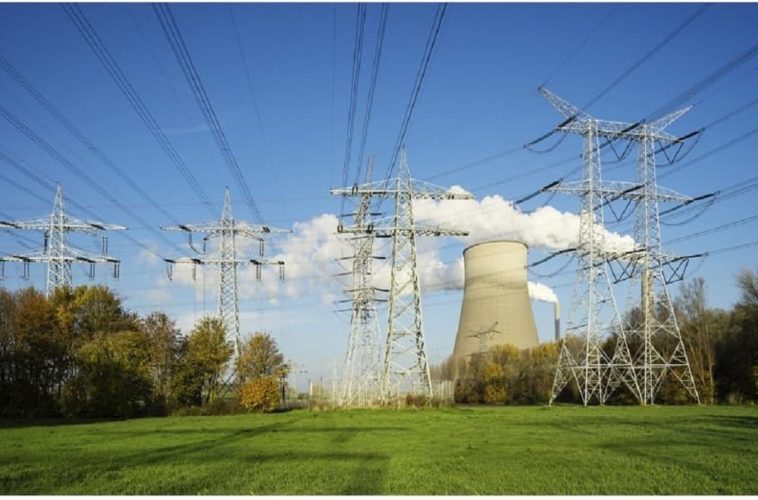




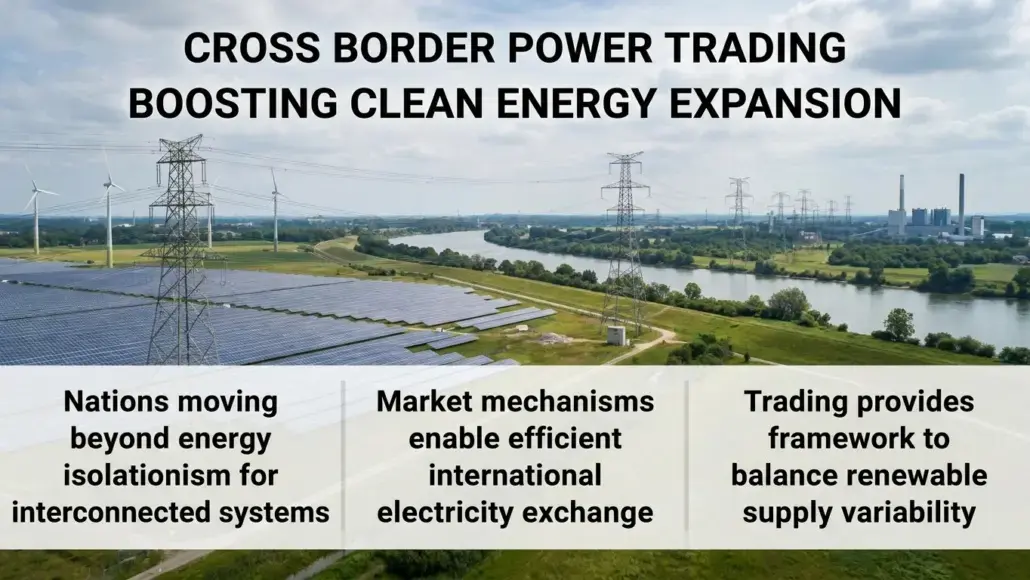
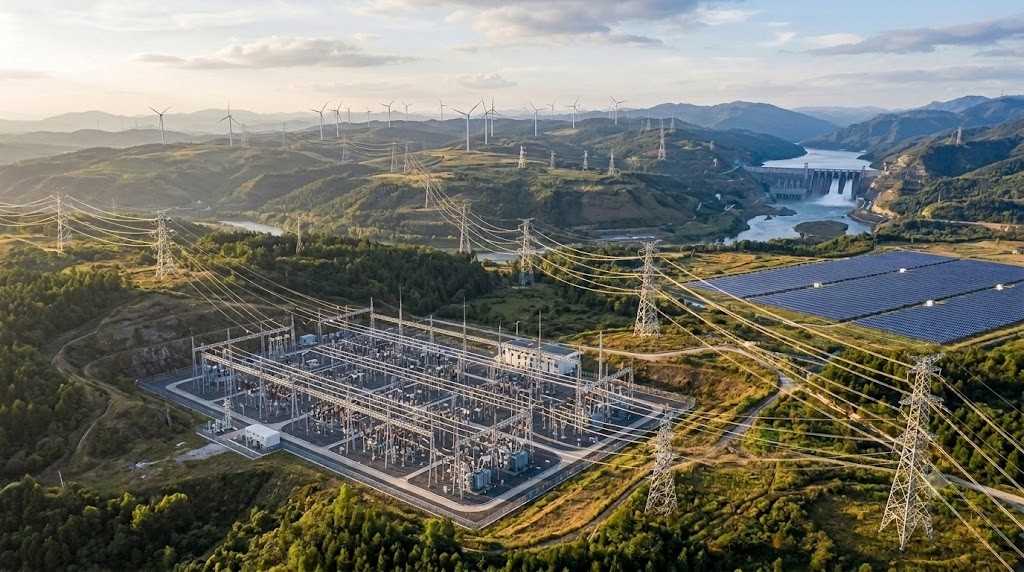
The transformation of global energy systems is increasingly dependent on the ability of nations to move beyond energy isolationism. As renewable energy becomes the dominant source of new capacity, the focus of the power industry is shifting toward market mechanisms that allow for the efficient exchange of electricity across international boundaries. Cross border power trading has emerged as a critical enabler for clean energy expansion, providing the commercial framework necessary to balance supply and demand on a regional scale. PowerGen Advancement observes that by creating larger and more liquid markets, trading allows for the optimal use of diverse renewable resources, such as hydro from one country, wind from another, and solar from a third.
According to a report by the International Energy Agency, the demand for cross border electricity trading is expected to grow significantly as countries seek to meet ambitious decarbonization targets while maintaining grid reliability. In many regions, the transition to renewables is highlighting the limitations of national grids that were once self sufficient. The integration of international markets allows for the smoothing of variable generation, reducing the need for costly domestic storage and providing a more robust safety net during periods of extreme weather or technical failure. This shift represents a move toward a more cooperative and efficient global energy architecture that transcends traditional borders.
The Strategic Importance of Market Integration
The fundamental objective of cross border power trading is to maximize the social and economic welfare of a region by ensuring that the most cost effective generation is used to meet demand. In a clean energy context, this means ensuring that zero marginal cost renewables are prioritized across the entire trading bloc. Market integration allows for price signals to flow freely, encouraging investment in areas where renewable potential is highest but local demand may be low. For example, the Nordic region has long used its vast hydropower reserves to balance the wind generation of its neighbors, creating a highly stable and low carbon regional system that serves as a global model.
Regional energy trade also enhances energy security by diversifying the sources of supply and reducing reliance on a single provider or technology. When a nation is part of an integrated power market, it can rely on imports during times of local scarcity, reducing the risk of blackouts and price spikes. This is particularly important as climate change increases the frequency of extreme weather events that can disrupt energy production. The expansion of these trading networks is supported by international organizations like the World Bank, which views regional power pools as a vital tool for economic development and energy access in emerging economies. The ability to share reserves reduces the need for redundant domestic capacity, lowering the overall cost of the transition.
Mechanisms and Commercial Frameworks for Trading
Executing cross border power trading requires a complex set of commercial and regulatory arrangements that must be harmonized across different jurisdictions. Market coupling is a primary mechanism used in developed markets, where electricity prices and transmission capacity are determined simultaneously through a single, optimized algorithm. This ensures that power flows from low price areas to high price areas in the most efficient manner possible, maximizing the value of every megawatt hour produced. In regions without fully coupled markets, trading often occurs through bilateral agreements or specialized energy exchanges where participants can bid for day ahead or intraday capacity.
The success of these markets depends on the transparency of data and the fairness of grid access rules. Transmission system operators must coordinate closely to manage the physical flow of power while ensuring that the commercial transactions are settled accurately and fairly. The rise of digital platforms and automated trading systems is making these processes faster and more reliable, allowing for the real time adjustments needed to manage high levels of variable solar and wind energy. As these frameworks mature, they are attracting a wider range of participants, from traditional utilities and independent power producers to large corporate energy consumers and virtual power plant operators.
Economic Benefits and the Role of Private Capital
The economic case for cross border power trading is compelling and well documented. By reducing the need for redundant generation capacity and smoothing price volatility, integrated markets can significantly lower the overall cost of electricity for both businesses and households. Research indicates that the integration of European electricity markets has delivered billions of euros in annual savings to consumers by optimizing the use of existing assets and encouraging competition. Furthermore, the prospect of participating in a large regional market provides a powerful incentive for the private sector to invest in large scale renewable projects that might be unfeasible for a small domestic market.
However, the scale of infrastructure required to support these markets is immense and requires long term financial commitments. Building the necessary interconnectors and upgrading domestic grids involves capital intensive investments that often span decades and involve multiple stakeholders. The complexity of these financial commitments is a major hurdle for many developing regions, where risk profiles and regulatory uncertainty can deter private capital. Understanding the innovative models being used to bridge this gap is essential for the future of the industry. For a detailed analysis of how the sector is mobilizing the trillions of dollars needed for these projects, exploring the trends in financing clean energy expansion in global power markets provides a necessary perspective on the capital flow behind the cables.
Overcoming Political and Technical Challenges
Despite the clear benefits, cross border power trading faces significant political and technical challenges that can hinder its development. Energy is often seen as a matter of national sovereignty, and the transition to a model of interdependence requires a high degree of trust between neighboring states. Geopolitical tensions can lead to concerns about energy being used as a lever of influence, which can slow down or even derail vital interconnection projects. Harmonizing technical standards, environmental regulations, and tax treatments across borders also involves protracted negotiations that require sustained political will and diplomatic engagement.
Technically, managing the stability of a large, interconnected market requires advanced forecasting and control systems. As more inverter based renewables enter the mix, the loss of traditional grid services like inertia and reactive power support must be addressed through regional coordination. Grid operators are increasingly looking toward shared reserves and common balancing platforms to manage these technical requirements in real time. The European Network of Transmission System Operators for Electricity (ENTSO-E) serves as a key body for this coordination, facilitating the long term planning needed to ensure that the infrastructure keeps pace with market demand and technical evolution.
The Impact of Carbon Pricing and Emissions Trading
The development of cross border power trading is closely linked to the implementation of carbon pricing and emissions trading schemes. When the cost of carbon is reflected in the price of electricity, clean energy becomes more competitive relative to fossil fuels. In an integrated regional market, carbon pricing creates a powerful incentive for power to flow from low carbon regions to high carbon ones, effectively exporting decarbonization. The European Union’s Emissions Trading System has been a major driver of the transition to renewables by making coal and gas generation increasingly expensive.
However, the lack of a global carbon price creates challenges for international trade, as different regions may have varying levels of environmental ambition. This can lead to concerns about carbon leakage, where energy intensive industries move to regions with lower environmental standards. To address this, some regions are considering the implementation of carbon border adjustment mechanisms, which would place a tariff on carbon intensive imports. These policies are complex to implement but are seen as an essential tool for ensuring a level playing field in the global clean energy market. The alignment of environmental and trade policies is a key requirement for the long term success of cross border energy exchange.
Regional Developments and Future Trends
New trading hubs are emerging around the world, reflecting the global nature of the energy transition and the growing demand for regional integration. In West Africa, the West African Power Pool is working to integrate the electricity markets of fourteen countries, aiming to lower prices and increase the reliability of supply through the sharing of thermal and renewable resources. In the Middle East, the Gulf Cooperation Council Interconnection Authority is expanding its network to facilitate trading between its member states and beyond, potentially linking with Europe and South Asia in the future to create a truly intercontinental energy market.
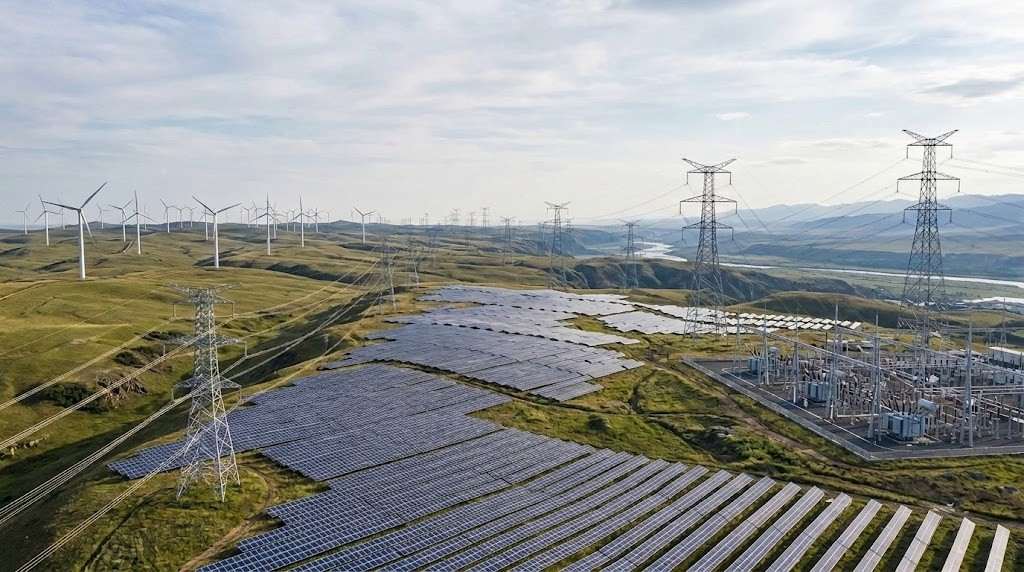
The future of cross border power trading will likely be characterized by increased granularity and the integration of new asset types. Small scale distributed resources, such as rooftop solar and battery storage, could eventually participate in regional markets through virtual power plants. The development of green hydrogen could also create a new commodity for international energy trade, potentially utilizing existing gas infrastructure or dedicated new pipelines for the transport of molecules. As these trends converge, the boundaries between different energy sectors will continue to blur, creating a more integrated and flexible global energy system that is capable of meeting the needs of a zero carbon world.
Bridging Borders for Global Energy Market Integration
The physical and commercial integration of global power markets is rapidly expanding as major technology and energy corporations establish vital cross-border electricity trading links. Hitachi Energy has advanced intercontinental trading capabilities by securing a €770 million contract to develop the Elmed direct current interconnection, bridging the power grids of Europe and North Africa.
In Northern Europe, Iberdrola (through its subsidiary ScottishPower) secured £600 million in green financing from the UK National Wealth Fund to develop the Eastern Green Link 4 (EGL4) subsea interconnector, facilitating massive clean energy flows. Energy trading frameworks are also evolving, demonstrated by Statkraft signing a 10-year cross-border Power Purchase Agreement (PPA) to supply Norwegian hydropower directly to Germany’s Deutsche Bahn. To manage the complex data exchanges of these markets, Siili Solutions was recently appointed as the digital integration platform provider for NeuConnect, the first direct electricity link under construction between the UK and Germany.
Expanding Global Clean Energy
Cross border power trading is a fundamental pillar of the global clean energy expansion. PowerGen Advancement believes that by breaking down geographic barriers and creating efficient regional markets, it enables the large scale integration of renewable energy while enhancing system stability and reducing costs. While significant political and technical hurdles remain, the momentum toward regional integration is undeniable and is supported by both economic logic and environmental necessity.
As nations continue to align their regulatory frameworks and invest in the necessary infrastructure, the vision of a truly global and sustainable power market moves closer to reality. The continued cooperation between governments, regulators, and the private sector will be the defining factor in the success of this transition, ensuring that the benefits of clean energy are shared by all.
References
- IRENA
- World Bank
- International Energy Agency
- European Network of Transmission System Operators for Electricity
- Hitachi Energy
- Iberdrola
- Statkraft
- Siili Solutions