

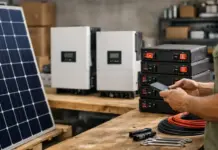


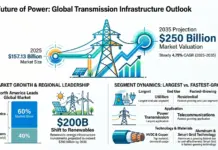
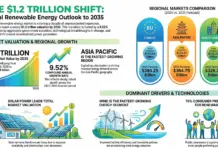
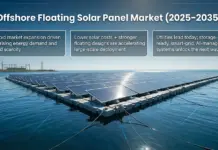













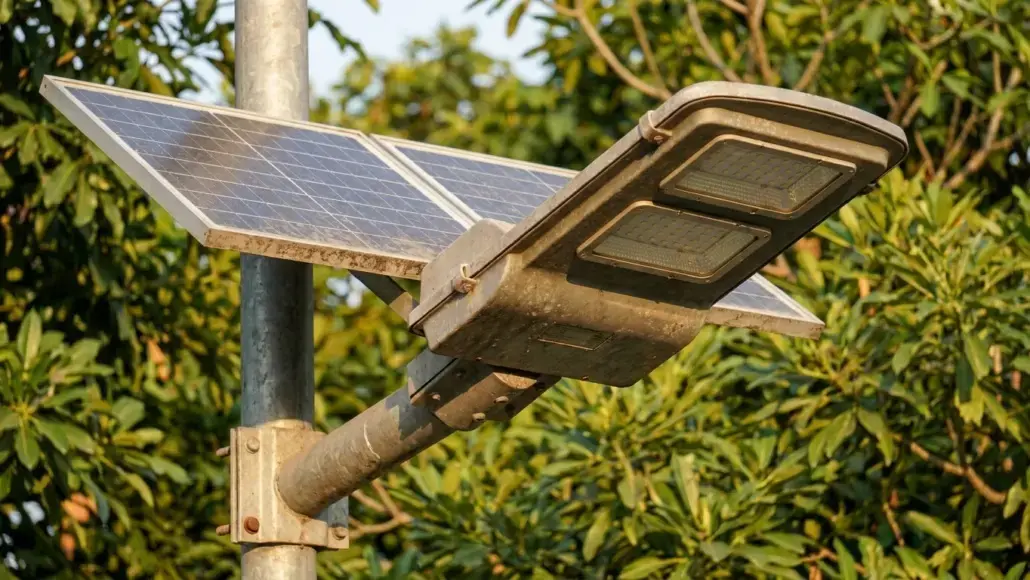
The modernization of urban and rural landscapes is increasingly dependent on the adoption of sustainable energy solutions that reduce reliance on traditional power grids. One of the most impactful developments in this area is the widespread solar lighting integration across various sectors of public infrastructure. PowerGen Advancement notes that by harnessing the abundant power of the sun, municipalities can provide reliable illumination for streets, public parks, remote pathways, and transit networks without the need for extensive underground cabling or high operational costs. This shift toward renewable energy not only supports global climate goals but also enhances the resilience and safety of public works. As we move toward a greener future, the integration of solar power into our daily environment becomes a cornerstone of intelligent urban planning.
Enhancing Public Works with Renewable Energy
The primary benefit of solar lighting integration lies in its ability to provide high quality illumination in areas where grid connectivity is either cost prohibitive or technically unfeasible. For many public works projects, the expense of underground trenching, concrete boring, and copper wiring can be astronomical, particularly in remote recreational areas, highway extensions, or historically significant urban centers where subsurface archaeology prohibits excavation. By utilizing off grid lighting solutions, city planners can bypass these structural obstacles, deploying light fixtures that are entirely self sufficient. These systems rely on integrated photovoltaic systems to capture energy during the day, which is then stored in high efficiency batteries for use throughout the night. This autonomous operation ensures that public spaces remain well lit and safe, regardless of the state of the central electrical grid.
Moreover, the use of green power in public infrastructure projects sends a powerful message about a community commitment to sustainability. Solar lighting integration is a visible and practical application of renewable energy that citizens interact with every day. Whether it is a solar powered streetlamp in a suburban neighborhood or an illuminated walkway in a waterfront park, these systems demonstrate the viability of solar power as a primary energy source. The reduction in carbon emissions associated with moving away from fossil fuel generated electricity is significant, making solar lighting integration a vital tool for any municipality aiming to achieve carbon neutral status. By prioritizing these technologies, public works departments can achieve long term budgetary savings while simultaneously protecting the environment.
The civil engineering advantages of avoiding subterranean wiring extend deep into municipal financial planning. When cities install traditional grid connected luminaires, they incur significant soft costs, including traffic disruption permits, pavement repaving, trench backfilling, and utility interconnection approval delays that can stretch across months. Subsurface wiring is also chronically vulnerable to moisture intrusion, ground settlement damage, root expansion, and accidental severed lines caused by third party excavation. Off grid solar luminaires eliminate these vulnerabilities entirely. A complete pole and luminaire assembly can be anchored onto a pre cast concrete footing in a matter of hours, allowing rapid infrastructure deployment with zero disruption to urban traffic or adjacent commercial activities.
Optimizing Transit Lighting and Urban Resilience
In the context of urban transit networks, solar lighting integration offers a unique set of operational advantages. Bus stops, commuter rail platforms, park and ride facilities, and pedestrian overpasses require consistent, reliable lighting to ensure passenger safety and security. However, these locations are frequently situated along highway right of ways or peripheral urban zones where existing electrical service drops are inaccessible. Implementing solar powered transit lighting provides a resilient solution that operates independently of the main energy infrastructure. This independence is particularly crucial during severe weather events or widespread blackout events, as solar equipped transit hubs remain illuminated, providing essential guidance, shelter, and security for the traveling public.
The integration of photovoltaic systems into transit infrastructure also allows for the inclusion of additional smart features. Many modern solar lighting units are equipped with low power sensors that adjust brightness based on passenger presence, conserving energy when platforms are vacant while ramping up to full illumination when riders approach. Additionally, these systems can power small scale communication devices, digital schedule displays, security cameras, or emergency call boxes, creating a multi functional urban node that enhances the overall transit experience. Solar lighting integration thus transforms simple lighting fixtures into critical nodes of a smart city, contributing to both renewable energy goals and improved public safety services. The flexibility of these off grid lighting solutions allows for rapid deployment and scaling, making them ideal for growing urban environments that need to adapt quickly to changing transit demands.
Public perception of transit safety is directly linked to lux uniformity and reliability. Dimly lit boarding platforms discourage public transit ridership, particularly during late evening hours, while escalating risks of slips, falls, and illicit activity. Solar powered transit lighting ensures that bus shelters in peripheral neighborhoods receive the same quality of bright, uniform illumination as downtown multimodal terminals. Because these luminaires operate on dedicated battery reserves, municipal transit authorities avoid paying recurring utility demand charges and connection fees, resulting in predictable, de risked operational expenditures over the twenty year lifespan of the transit asset.
Technical Advancements in Photovoltaic Systems
The success of solar lighting integration is largely driven by continuous advancements in photovoltaic systems and chemical energy storage technology. Early solar lights often struggled with limited runtimes, low lumen output, and premature battery failures, but modern units have overcome these technical hurdles. Today high efficiency monocrystalline solar panels with advanced anti reflective coatings can generate substantial power even in low light, cloudy, or high latitude winter environments, ensuring consistent energy capture throughout the year. When coupled with advanced lithium iron phosphate or sodium ion batteries, these systems can store enough green power to maintain illumination through five or more consecutive days of overcast weather. This level of reliability is essential for public infrastructure, where consistent performance is a non negotiable requirement for public safety.
Furthermore, the physical and architectural design of solar lighting has improved remarkably, allowing for seamless integration into diverse architectural aesthetics. Rather than mounting bulky solar panels atop fragile brackets, modern luminaires incorporate cylindrical solar sleeves wrapped around the mast or utilize low profile panels integrated flush with the fixture casing. This aesthetic flexibility, combined with the mechanical robustness of modern solar power components, makes solar lighting integration an attractive option for varied public works projects. As the capital cost of photovoltaic systems declines and solid state driver efficiencies climb past two hundred lumens per watt, the economic case for solar lighting becomes overwhelming.
Advanced maximum power point tracking solar charge controllers play a vital role in optimizing energy yield. These microcontrollers sample panel voltage and current hundreds of times per second, dynamically adjusting impedance to extract the maximum possible wattage under fluctuating solar irradiance and temperature conditions. Modern controllers also employ intelligent battery management algorithms that regulate thermal envelopes, prevent deep discharges, and modulate charging profiles to extend battery cycle lifespans beyond four thousand cycles. By incorporating wireless remote telemetry, municipal maintenance teams can monitor state of charge, operating temperatures, and driver performance via centralized dashboards, dispatching technicians only when preventive maintenance is required.
Strategic Implementation and Future Directions
For solar lighting integration to be truly effective, it must be part of a broader, strategic approach to municipal asset management. This involves rigorous geographic information system mapping to analyze solar insolation values, shading factors from tree canopies or tall buildings, and seasonal solar trajectory angles. Municipalities should also implement standardized inspection schedules to ensure that solar panels remain free of dust, snow, and biological debris that could impair energy harvesting efficiency.
By treating solar lighting integration as a core component of long range public works planning, cities can construct a more sustainable and resilient urban environment. The transition to renewable energy in the outdoor lighting sector demonstrates how clean technology can simultaneously resolve environmental challenges, lower public expenditures, and improve the quality of life for all citizens. Public infrastructure investments must prioritize scalable, self sustaining technologies that decouple municipal operations from fossil fuel markets while safeguarding public welfare.
PowerGen Advancement believes that municipal adoption of autonomous solar powered public and transit lighting will expand greatly, serving as an indispensable foundation for self-sustaining municipal energy grids.