






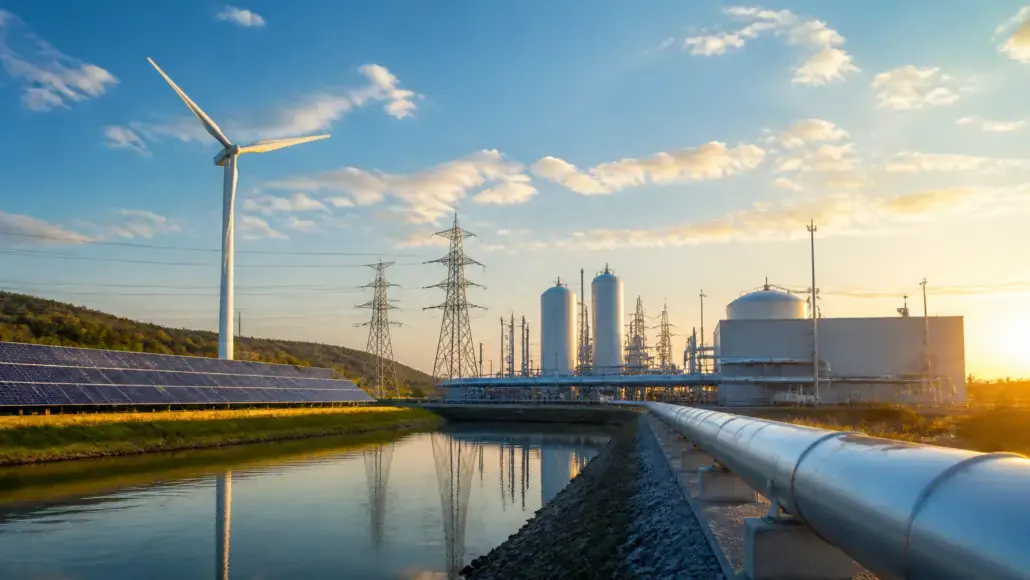
As the global energy transition accelerates to meet critical climate targets, PowerGen Advancement identifies the role of green hydrogen as the indispensable link between fluctuating renewable power and hard-to-abate industrial sectors. Produced via large-scale water electrolysis using electricity exclusively from wind, solar, or hydro sources, green hydrogen offers a viable pathway to decarbonize heavy industry, chemical manufacturing, and long-haul maritime transport. However, the rapid expansion of these massive production facilities is creating a new and complex set of challenges for the world’s aging electrical grids. To truly succeed, achieve commercial scale, and provide maximum environmental benefit, renewable hydrogen projects need stronger grid integration that moves beyond simple, passive power consumption to active, intelligent participation in grid stability and energy management. This profound evolution is essential to ensure that the massive electrical demand from industrial electrolyzers does not overwhelm existing transmission infrastructure but instead acts as a flexible, stabilizing asset that actively supports the exponential growth of renewable energy across the entire global energy spectrum.
The Critical Interplay Between Large Electrolyzers and Variable Renewables
The primary, most urgent reason why renewable hydrogen projects need stronger grid integration is the inherent and often unpredictable variability of wind and solar power generation. Unlike traditional industrial loads, such as steel mills or data centers, that typically require a steady, uninterrupted baseload supply of electricity to function, green hydrogen production is most efficient, cost-effective, and environmentally beneficial when it dynamically follows the availability of renewable energy. When the sun is shining at its peak and the wind is blowing at its strongest, electrolyzers can and should ramp up to their maximum capacity to capture excess power that might otherwise be curtailed or wasted by the grid. Conversely, during periods of low renewable output or extreme peak demand from households, they must be able to scale back rapidly to avoid straining the local grid or driving up prices.
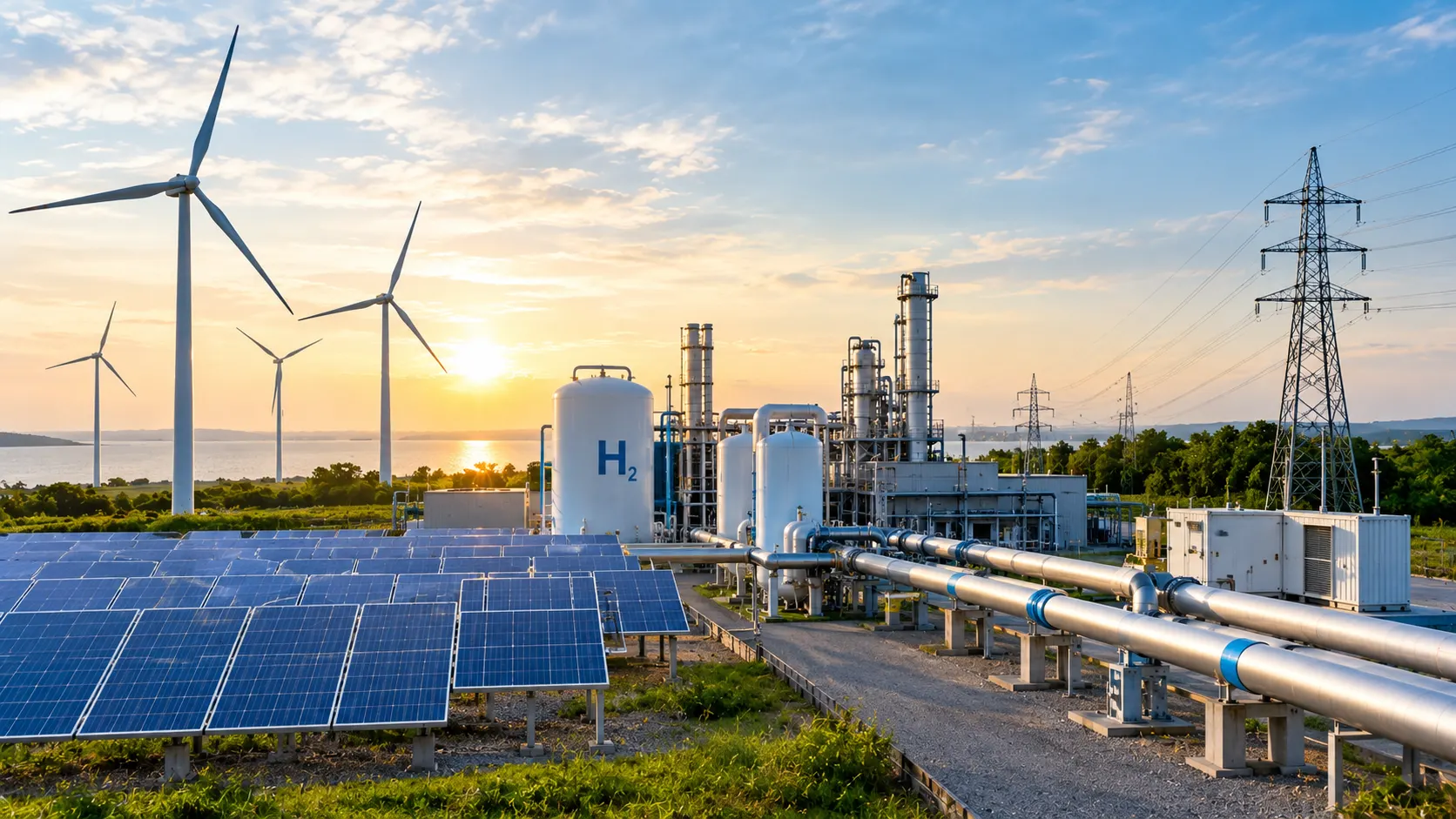
Achieving this dynamic following and operational flexibility requires a highly sophisticated level of real-time communication and coordination between the hydrogen production facility and the regional grid operator. Renewable hydrogen projects need stronger grid integration to manage these rapid and sometimes extreme fluctuations in power demand. This involves not just specialized technical hardware—such as fast-acting power electronics—but also the creation of new market mechanisms and regulatory incentives that reward hydrogen producers for providing ancillary services to the grid. These services include frequency regulation, voltage support, and demand-side response. When electrolyzers are successfully integrated as flexible, responsive loads, they become a vital tool for grid operators to maintain systemic balance, effectively acting as a massive, industrial-scale sponge that absorbs the shocks of variable renewable energy and keeps the grid stable for everyone.
Addressing Grid Congestion, Transmission Constraints, and Strategic Siting
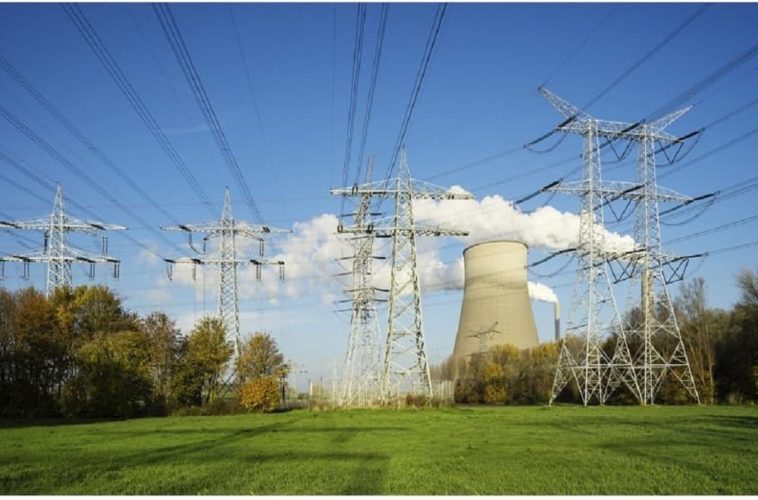
In many geographic regions with abundant but remote renewable resources, the physical capacity of the existing high-voltage transmission grid is the primary bottleneck for new clean energy projects. Large-scale renewable hydrogen projects need stronger grid integration specifically to avoid exacerbating localized grid congestion. In some cases, building a massive electrolyzer at a point in the transmission grid that is already operating at its thermal or voltage limit can lead to the need for incredibly expensive and time-consuming upgrades to substations and long-distance lines. To mitigate this risk, developers, utility providers, and grid operators must work together from the earliest planning stages to identify strategic locations where hydrogen production can actually help alleviate congestion by consuming surplus power right at the source.
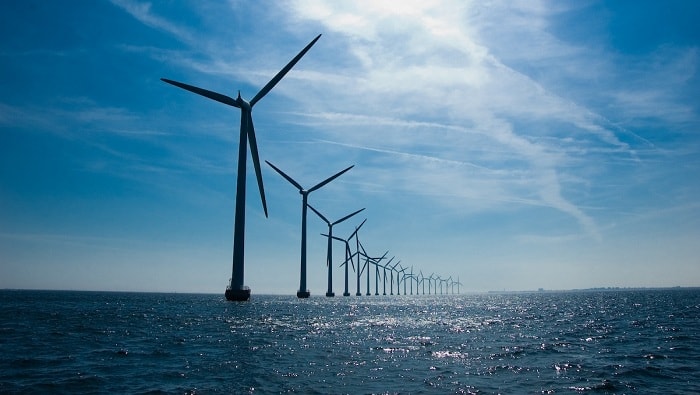
This geographic and strategic alignment is a key component of how renewable hydrogen projects need stronger grid integration. By placing electrolyzers near massive offshore wind farms or in the heart of solar-rich regions, they can serve as virtual pipelines or energy converters. They transform local renewable electricity into storable, transportable hydrogen that can be moved by specialized trucks or dedicated pipelines rather than further overloading the electrical wires. This systemic, holistic approach significantly reduces the total societal cost of the energy transition by optimizing the use of existing energy assets and minimizing the immediate need for new, multi-billion-dollar grid expansion projects that often face stiff public opposition and long permitting delays.
Long-Duration Energy Storage, Grid Resilience, and Seasonal Balancing
One of the most profound and unique benefits of the emerging hydrogen economy is its unparalleled ability to provide long-duration energy storage—a critical capability that current lithium-ion battery technology simply cannot do economically at the GWh or TWh scale. Renewable hydrogen projects need stronger grid integration to fully unlock this potential and enhance the resilience of our future energy systems. During periods of massive seasonal oversupply—such as the high-wind winter months in the North Sea or the intense, sunny summers in Mediterranean or desert regions—excess electricity can be converted and stored as high-density hydrogen for months at a time in underground salt caverns or depleted gas fields.
This hydrogen can then be converted back into clean electricity via fuel cells or hydrogen-ready gas turbines during periods of high winter demand and low renewable output, providing a critical buffer and preventing blackouts. This Power-to-Gas-to-Power cycle ensures that renewable hydrogen projects need stronger grid integration to enhance overall system resilience and energy security. In the event of a dunkelflaute, a prolonged period of cold, still weather where wind and solar are both offline, stored green hydrogen acts as the ultimate energy reserve, keeping the lights on and the heat flowing when other sources fail. This strategic role as a long-term energy insurance policy makes green hydrogen projects far more than just passive industrial consumers; they are the fundamental guarantors of a reliable, resilient, and zero-emission global grid.
The Essential Role of Digitalization, AI, and Smart Grid Control Systems
Managing the incredibly complex, real-time relationship between a dynamic electrical grid and a fleet of multi-megawatt electrolyzers requires an advanced, high-speed digital layer. Renewable hydrogen projects need stronger grid integration through the widespread use of AI-driven control systems, edge computing, and real-time data analytics. These sophisticated systems allow hydrogen producers to respond almost instantly to subtle grid signals, optimizing their production schedules based on fluctuating electricity prices, grid frequency deviations, and advanced renewable forecasting models. Digital twins of both the electrolyzer facility and the surrounding local grid can be used to simulate different operational scenarios, ensuring that the integration is both technically safe and financially efficient.
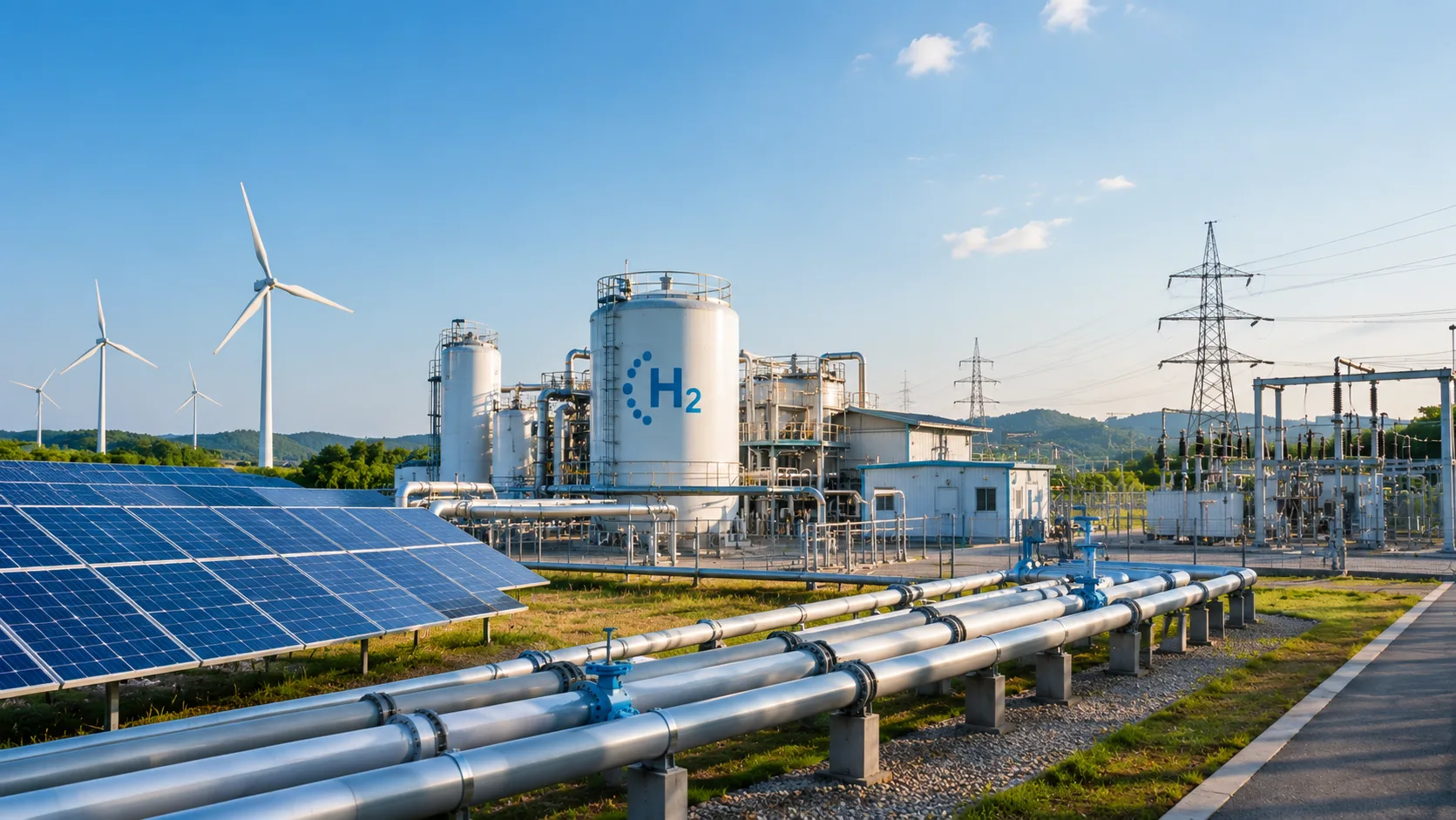
Furthermore, renewable hydrogen projects need stronger grid integration to ensure strict compliance with emerging regulations such as the EU’s Renewable Energy Directive (RED III) and its delegated acts on additionality and temporal correlation. These rules are designed to ensure that green hydrogen is truly green, produced only when and where new renewable power is actually being generated to avoid cannibalizing existing clean energy used by homes and businesses. Digital platforms and blockchain-based guarantees of origin are being deployed to provide the transparent, unalterable proof of greenness required by regulators and discerning off-takers. This level of digital transparency is essential for building long-term trust and ensuring that the growth of the hydrogen economy directly and demonstrably supports the expansion of new, sustainable renewable energy capacity worldwide.
Evolving Economic Incentives, Market Design, and Regulatory Reforms
For the integrated, flexible model of hydrogen production to be financially viable for developers, global electricity markets must be fundamentally redesigned to value and reward operational flexibility. Currently, many grid tariffs and industrial billing structures are designed for steady, predictable baseload loads and do not properly compensate the dynamic, grid-stabilizing response that modern electrolyzers can provide. Renewable hydrogen projects need stronger grid integration supported by progressive and far-reaching market reforms. This includes reducing or eliminating grid fees for flexible loads that act in the interest of the grid and creating open, competitive markets for high-value grid balancing and ancillary services.
When the economic incentives and market signals align with the technical capabilities of the electrolyzer hardware, the private sector will be much more willing to invest the hundreds of billions of dollars needed for integrated infrastructure. Additionally, renewable hydrogen projects need stronger grid integration to take full advantage of locational marginal pricing (LMP), where the price of electricity reflects the real-time, local conditions of the grid. Producers who intelligently consume power in areas of oversupply and low prices—and scale back in areas of high demand or grid stress—are rewarded with significantly lower energy costs. This market-based approach naturally and efficiently guides the development of hydrogen projects toward the most grid-beneficial locations, fostering a more robust, efficient, and resilient overall energy system for the future.
Overcoming Technical Interconnection Hurdles and Ensuring Stability
The physical and electrical interconnection of a multi-gigawatt electrolyzer project to a high-voltage transmission grid is a major and unprecedented engineering undertaking. Renewable hydrogen projects need stronger grid integration to address complex technical issues like harmonic distortion, reactive power support, and rapid voltage fluctuations that can be caused by the massive power electronics and rectifiers involved in the electrolysis process. Grid codes are being rapidly updated globally to include specific, rigorous requirements for electrolyzers, ensuring that they contribute to the synthetic inertia and overall stability of the grid rather than creating new operational vulnerabilities.
Collaboration between electrolyzer OEMs (Original Equipment Manufacturers), power electronics specialists, and grid equipment providers is essential to develop standardized, grid-friendly turnkey systems. This includes the development of advanced grid-forming inverters that can provide the same grid-stabilizing features—such as black-start capability and fault-ride-through—as traditional, massive synchronous generators. As these technologies mature and become standard, renewable hydrogen projects need stronger grid integration to move from being perceived as intermittent, high-demand loads to being hailed as critical stabilizing assets, proving that the high-power requirements of the global hydrogen economy can be a massive benefit to the grid rather than a burden. PowerGen Advancement believes that the future of the zero-emission grid is an intelligent, integrated, and flexible symphony of electrons and molecules, working in perfect harmony.