








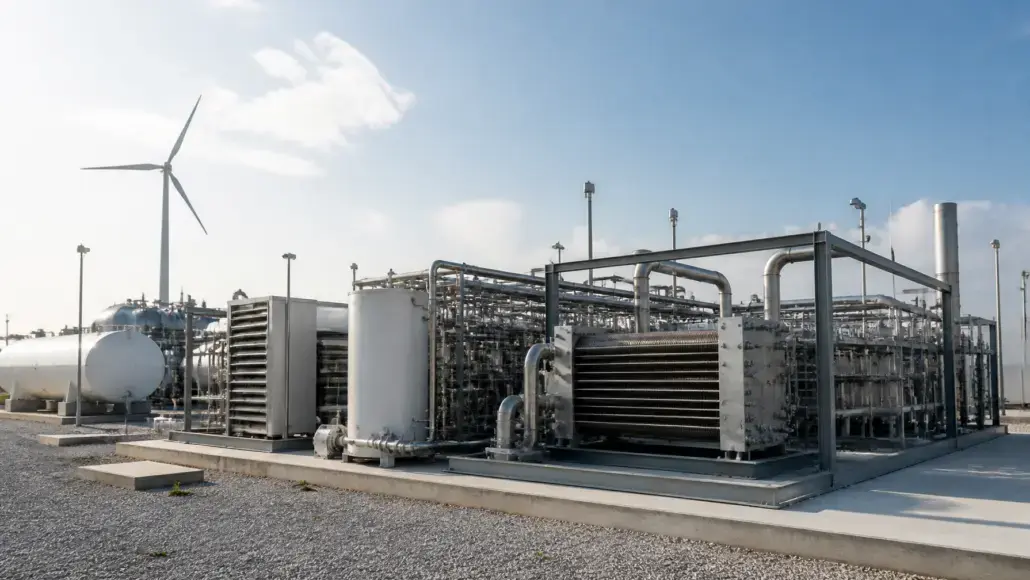
The global energy landscape is currently undergoing a structural and technological transformation of historic proportions. As nations, industries, and large corporations alike strive to meet increasingly ambitious net-zero targets and ESG mandates, the spotlight has shifted firmly toward hydrogen as a versatile, high-energy, and carbon-free energy carrier. While the fundamental technical feasibility of hydrogen production—especially through water electrolysis—has been proven for decades, the transition from small-scale pilot demonstrations to massive, commercially viable industrial operations remains a significant hurdle. The primary challenge facing the industry today is not just one of chemical engineering, but one of financial engineering. PowerGen Advancement notes that scaling bankable hydrogen projects is essential for sustained clean energy growth, providing the necessary foundation for a decarbonized global industrial economy. To achieve this, the burgeoning industry must align technical excellence with robust, standardized financial models, clear regulatory frameworks, and long-term off-take agreements that provide the ironclad certainty that institutional investors demand.
Defining and Achieving Bankability in the Hydrogen Economy
In the specialized world of project finance, bankability refers to a project’s ability to attract significant debt financing at reasonable, commercially viable terms. For hydrogen, which is still considered an emerging and relatively unproven asset class by many traditional lenders, achieving bankability is a multi-faceted and complex task. Global investors and commercial banks look for projects that have a clearly defined and reliable revenue stream, manageable and well-allocated risks, and a proven technological foundation. Scaling bankable hydrogen projects requires a decisive solution to the classic chicken and egg problem: investors are hesitant to fund massive production facilities without guaranteed long-term buyers, while potential industrial buyers are reluctant to commit to multi-year contracts without a reliable, high-volume, and cost-competitive supply of green fuel.
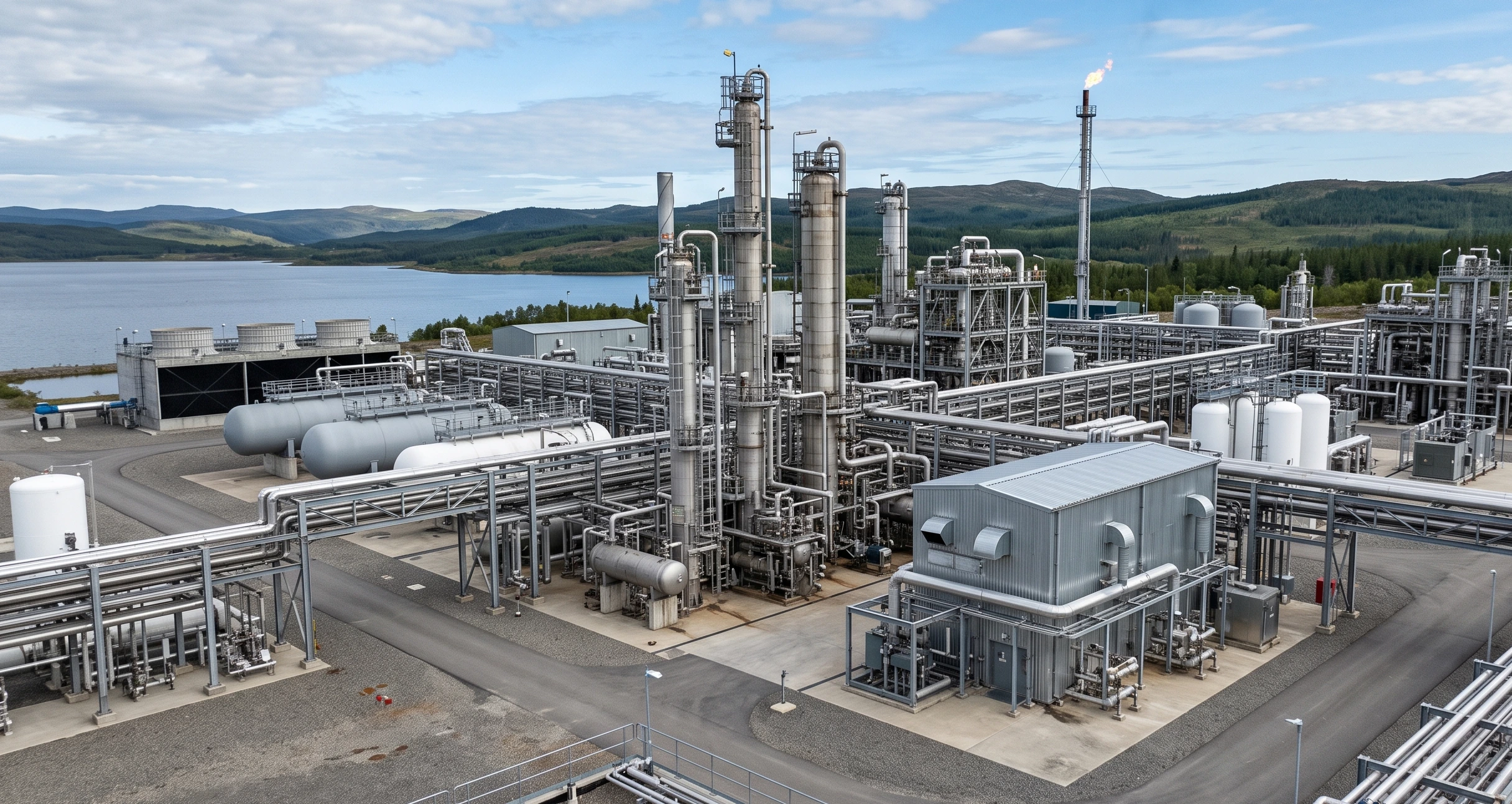 To overcome this stalemate, developers are increasingly focusing on vertically integrated business models. By securing binding, long-term off-take agreements with industrial giants in sectors like steel manufacturing, chemical production, or heavy-duty maritime transport, developers can demonstrate a steady and predictable future cash flow. These agreements are the absolute bedrock of bankability. Furthermore, scaling bankable hydrogen projects involves a rigorous process of risk mitigation across the entire value chain—from the stable supply of renewable electricity and the performance guarantees of large-scale electrolyzers to the complex logistics of high-pressure storage and transcontinental transportation. When these risks are clearly quantified, insured, and allocated to the parties best suited to manage them, the project becomes significantly more attractive to the global capital and debt markets.
The Role of Strategic Policy and Government Financial Incentives
Government policy is currently the single most powerful and effective catalyst for scaling bankable hydrogen projects. Given that green hydrogen—produced via renewable electricity—is currently significantly more expensive than grey hydrogen produced from natural gas, bridging this green premium is essential for the initial phase of market growth. Policies such as the U.S. Inflation Reduction Act (IRA), with its generous production tax credits (PTCs) of up to $3 per kilogram, and the European Union’s Hydrogen Bank auctions are providing the vital financial bridge needed to make these projects commercially competitive today. These incentives directly improve the internal rate of return (IRR) for project developers, making it vastly easier to secure the necessary private equity and debt financing.
Beyond direct financial subsidies, clear and stable regulatory frameworks are vital for scaling bankable hydrogen projects over the long term. This includes defining rigorous global standards for what constitutes green hydrogen—ensuring it is truly produced from new renewable sources rather than straining existing grids—and establishing the technical rules for hydrogen blending in existing natural gas networks. When developers and institutional investors have long-term visibility (10–20 years) into the regulatory and tax environment, they are much more willing to commit the massive capital required for large-scale infrastructure. Public-private partnerships and government-backed loan guarantees are also playing a crucial role in de-risking early-mover projects, paving the way for the private sector to eventually take over as the technology matures and the market achieves self-sustaining scale.
Infrastructure Development and Supply Chain Resilience
Scaling bankable hydrogen projects is not solely about the production facility itself; it is about the entire integrated ecosystem. The inherent bankability of a project is intrinsically linked to the reliability and resilience of its entire supply chain. For green hydrogen, this critical chain begins with the availability of low-cost, reliable, and high-volume renewable energy. A project’s physical proximity to massive wind or solar farms and its connection to a stable, high-voltage power grid are critical factors in its ultimate financial viability. Developers must ensure that they have secured the necessary power purchase agreements (PPAs) that align with their production duty cycles to keep their electrolyzers running at optimal capacity factors.
The downstream logistics infrastructure is equally important for financial success. Whether the hydrogen is delivered via dedicated pipeline, high-pressure tube trailer, or as a liquid derivative like ammonia or methanol, the logistics must be both cost-effective and highly reliable. Scaling bankable hydrogen projects often involves the concept of clustering, creating regional hydrogen hubs where multiple producers, storage facilities, and industrial consumers are located in close physical proximity. This strategic sharing of infrastructure, such as pipelines and water treatment facilities, dramatically reduces the capital (CAPEX) and operational (OPEX) costs for everyone involved, enhancing the overall bankability of the individual projects within the cluster. As the global network of dedicated hydrogen pipelines and specialized port facilities expands, the perceived risk associated with stranded assets decreases, further encouraging large-scale, institutional investment.
Technological Maturity, Standardization, and Operational Excellence
While the fundamental technology of water electrolysis has been understood and utilized for over a century, scaling it up to the multi-megawatt and gigawatt industrial level introduces entirely new technical and operational risks. Lenders and insurance providers want to see that the specific technology chosen for a project—whether it be PEM (Proton Exchange Membrane), Alkaline, or Solid Oxide—is proven at scale and backed by reputable, creditworthy manufacturers with strong balance sheets and service networks. Scaling bankable hydrogen projects requires a demonstrated track record of operational excellence, including high system availability, efficient energy conversion, and long-term durability of the electrolyzer stacks.
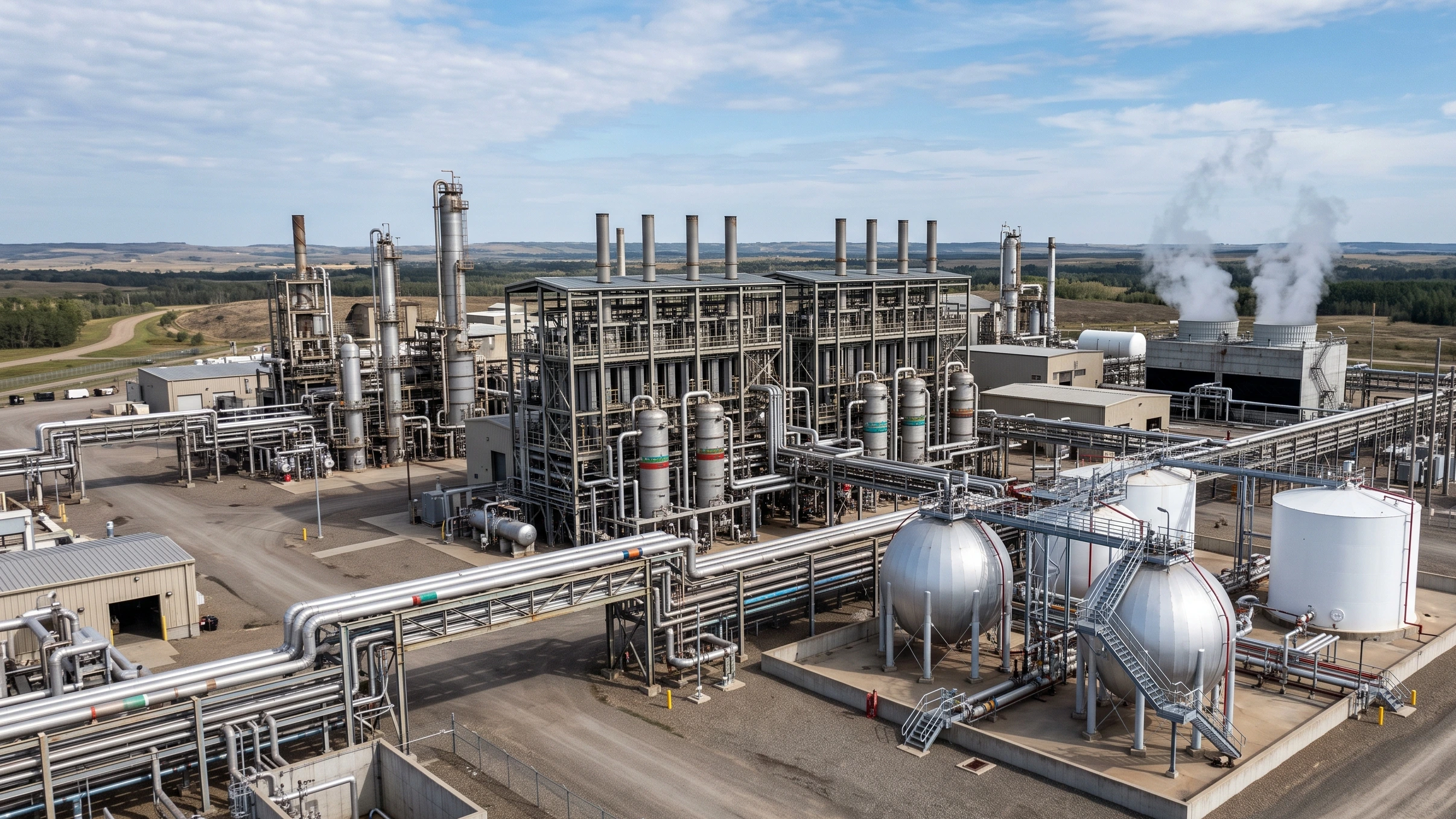
To further enhance bankability, the industry is moving rapidly toward standardized plant designs and modular construction techniques. By moving away from bespoke, site-specific engineering for every project, the industry can significantly reduce construction risks, lower manufacturing costs through volume, and accelerate project timelines. Digitalization and the Industrial Internet of Things (IIoT) also play a major role; AI-powered monitoring and predictive maintenance systems ensure that the plant operates at its peak thermodynamic efficiency, minimizing unplanned downtime and maximizing daily revenue. These technical and operational efficiencies are directly translated into better financial performance and lower interest rates, making the case for scaling bankable hydrogen projects even more compelling for global financiers.
Evolving Financing Models and the Path to Global Market Parity
The financing landscape for hydrogen projects is rapidly evolving from high-risk venture capital and corporate balance sheet funding toward more traditional, structured project finance models. This shift is a clear and positive sign that the industry is entering its maturity phase. Scaling bankable hydrogen projects now involves a sophisticated mix of private equity, commercial bank debt, export credit agency (ECA) support, and multilateral development bank financing. We are also seeing the emergence of specialized hydrogen investment funds and green bonds that are specifically dedicated to funding the multi-decadal clean energy transition. This diversification and deepening of the global capital pool is essential for meeting the trillions of dollars in cumulative investment required to reach global net-zero goals by mid-century.
The ultimate strategic objective of scaling bankable hydrogen projects is to reach market price parity with fossil-fuel-based alternatives, such as diesel or natural gas. As the cost of electrolyzers continues to fall through economies of scale and as the efficiency of renewable energy technologies improves, the price of green hydrogen will naturally and steadily decline. Many industry analysts and energy agencies predict that green hydrogen will become cost-competitive in most major markets by the early 2030s, especially as carbon pricing mechanisms become more prevalent and expensive. By focusing intensely on bankability and financial rigor today, the industry is laying the critical groundwork for a self-sustaining, profitable market that will drive clean energy growth and industrial decarbonization for generations to come.
Ethical ESG Considerations and the Social License to Operate
Finally, scaling bankable hydrogen projects requires a strong and transparent focus on ESG (Environmental, Social, and Governance) principles. Institutional investors are increasingly prioritizing projects that not only reduce carbon emissions but also provide tangible social and economic benefits to the communities where they are located. This includes high-quality job creation, local economic development, and responsible water resource management, given that electrolysis requires significant volumes of high-purity water. Securing a social license to operate through community engagement and environmental stewardship is just as important for long-term bankability as securing a financial off-take agreement.
Transparency in the global supply chain, such as ensuring that the rare earth minerals and metals needed for electrolyzers and renewable energy equipment are sourced ethically and sustainably, is also a key requirement for modern project finance. PowerGen Advancement believes that by building projects that are environmentally sound, socially responsible, and governed with the highest integrity, developers can attract the widest possible range of institutional investors who are committed to sustainable clean energy growth. This holistic approach ensures that the emerging hydrogen economy is not just a technological success, but a model for a more equitable, resilient, and sustainable global energy system for all.