




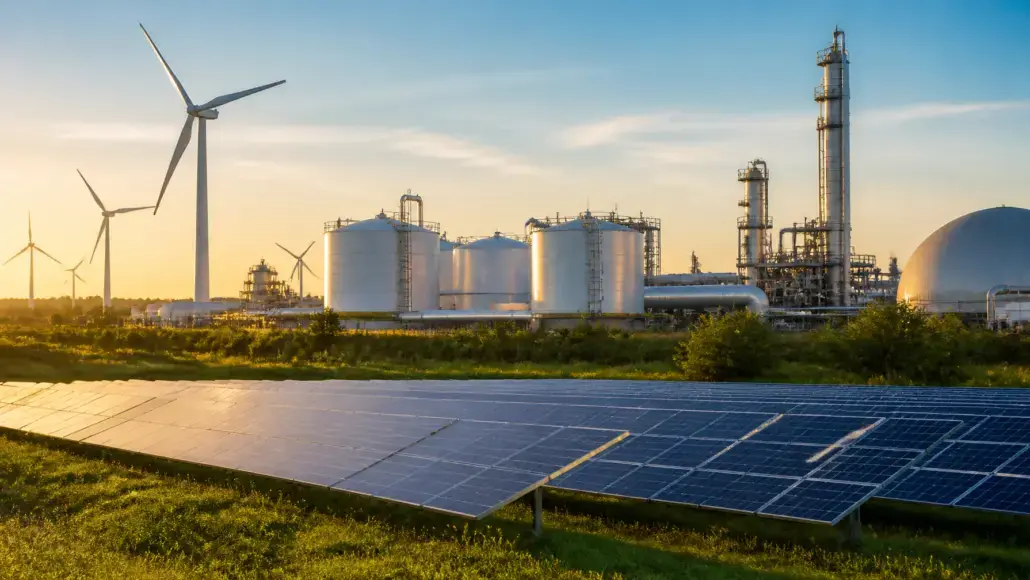
The traditional approach to energy management has been characterized by silos, with electricity generation, industrial fuel production, and carbon management operating as largely independent sectors. However, as the world moves toward a decarbonized future, these boundaries are blurring. A new paradigm is emerging where integrated energy systems link power fuels and carbon into a single, cohesive ecosystem. This sector coupling approach allows for the optimization of renewable energy, the decarbonization of hard-to-abate industrial processes, and the creation of a circular carbon economy. PowerGen Advancement notes that by understanding how these three pillars interact, we can design a more resilient, efficient, and sustainable energy system that meets the complex demands of the 21st century.
The Foundation of Sector Coupling and Integration
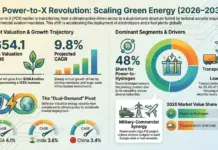
At the heart of this transformation is the idea that the electricity grid can no longer be managed in isolation from the rest of the economy. As variable renewable energy sources like wind and solar become dominant, the grid faces the challenge of intermittency. Integrated energy systems link power fuels and carbon by using surplus renewable electricity to produce low-carbon fuels, a process often referred to as Power-to-X. When renewable generation exceeds immediate demand, that excess power can be sent to electrolyzers to produce green hydrogen. This hydrogen can then be used directly as a fuel for heavy industry or transport, or it can be further processed into synthetic methane, methanol, or ammonia.
This integration provides a vital service to the power grid: long-duration energy storage. While batteries are excellent for short-term balancing, the production of chemical fuels allows for the seasonal storage of energy. By converting electricity into molecules, integrated energy systems link power fuels and carbon to ensure that renewable energy is never wasted, even during periods of massive oversupply. This synergy increases the overall efficiency of the energy system and reduces the need for expensive grid reinforcements, making the transition to clean energy more economically viable.
The Critical Role of Carbon Capture and Utilization
The third pillar of this integrated model is carbon management. In a traditional linear economy, carbon dioxide is treated as a waste product and released into the atmosphere. In an integrated system, carbon is treated as a valuable feedstock. Integrated energy systems link power fuels and carbon by capturing CO2 from industrial flue gases or directly from the air and combining it with green hydrogen to produce synthetic fuels. This process, known as Carbon Capture and Utilization (CCU), effectively recycles the carbon, preventing it from contributing to global warming while providing the building blocks for the fuels that the world still needs.
For industries like cement, steel, and chemicals, which have inherent process emissions that are difficult to eliminate through electrification alone, this integration is a lifeline. By capturing their emissions and feeding them back into the energy system, these industries can move toward a circular model. Integrated energy systems link power fuels and carbon to ensure that the carbon remains within a closed loop, significantly reducing the net environmental impact of heavy industry. This approach turns a climate liability into a strategic resource, fostering innovation in carbon-based materials and synthetic fuels.
Optimizing Industrial Clusters and Hubs
The most effective way to implement this vision is through the development of integrated industrial clusters or energy hubs. In these clusters, power generation, fuel production, and carbon-intensive manufacturing are physically located in close proximity. This allows for the efficient exchange of energy and materials. For example, the waste heat from an electrolyzer can be used for district heating or industrial processes, while the oxygen byproduct can be used in steel manufacturing. Integrated energy systems link power fuels and carbon within these hubs to maximize systemic efficiency and minimize the cost of infrastructure.
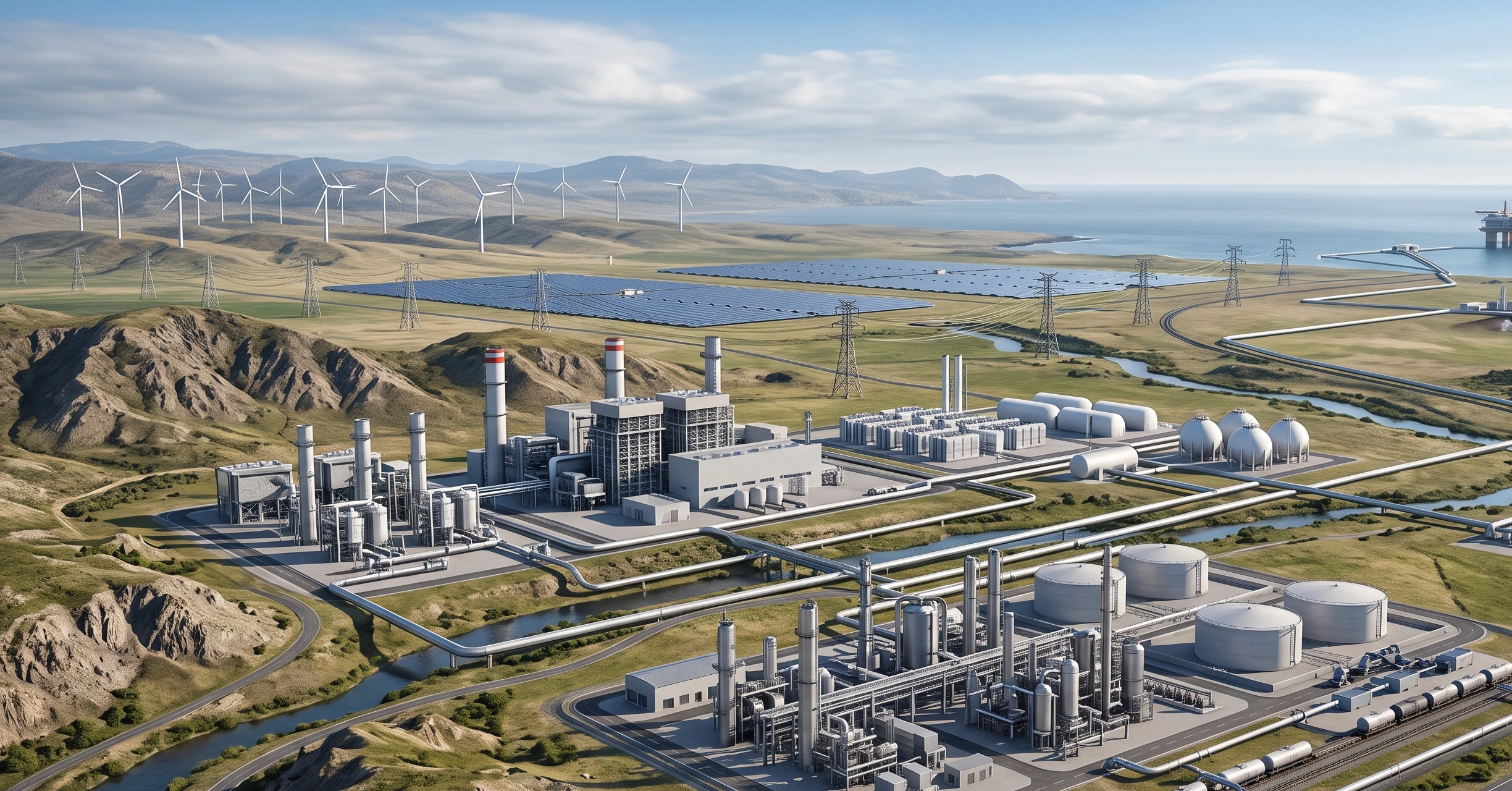
These hubs also provide the scale needed to attract investment and drive technological innovation. By clustering multiple off-takers and producers, the risk for individual projects is reduced. Integrated energy systems link power fuels and carbon to create a hub-and-spoke network where renewable energy is gathered from a wide area and converted into the specific energy carriers needed by the local industry. This model is being adopted in major industrial zones around the world, from the Port of Rotterdam in Europe to the emerging clean energy hubs in the Middle East and North America, proving that integration is the key to industrial competitiveness in a low-carbon world.
Digitalization: The Nervous System of Integrated Systems
Managing the complex flows of energy and carbon in these integrated systems requires a high degree of digitalization. AI and advanced algorithms serve as the nervous system of the ecosystem, constantly balancing supply and demand across multiple sectors. Integrated energy systems link power fuels and carbon through real-time data sharing and automated control systems. For instance, an AI controller can decide whether to store excess electricity in a battery, use it to produce hydrogen, or divert it to a carbon capture plant, based on current market prices and grid conditions.
This digital integration also enables a high level of transparency and traceability. To claim the benefits of a circular carbon economy, companies must be able to prove the origin and sustainability of their fuels. Blockchain and digital twins are being used to track every molecule of carbon and every kilowatt-hour of electricity through the system. Integrated energy systems link power fuels and carbon by providing a robust digital thread that ensures regulatory compliance and meets the demands of environmentally conscious consumers and investors. This data-driven approach is essential for scaling the integrated model to a global level.
Economic and Strategic Implications for the Future
The move toward integrated energy systems link power fuels and carbon has profound economic implications. It creates new markets for synthetic fuels and carbon-based products, fostering economic growth and job creation in the clean energy sector. For nations, integration provides a path toward energy independence. By producing their own fuels from domestic renewable resources and recycled carbon, countries can reduce their reliance on volatile global oil and gas markets. This enhanced energy security is a powerful motivator for governments to support the development of integrated infrastructure.
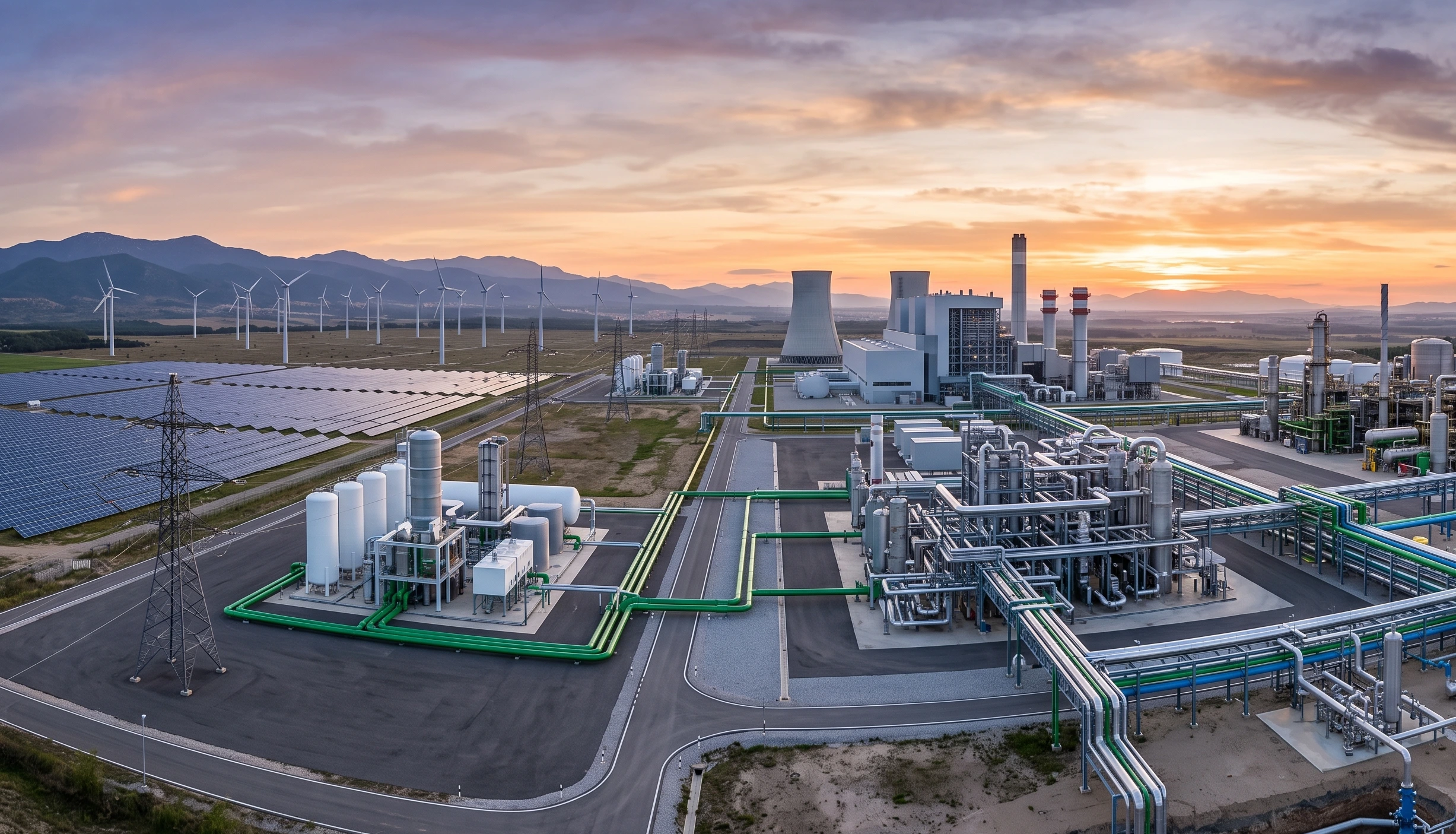
Furthermore, integrated energy systems link power fuels and carbon to provide a more stable and predictable energy price environment. By decoupling fuel production from the fluctuations of the fossil fuel market, industries can better plan for the long term. While the initial capital investment for integrated systems is high, the lower operational costs and the reduction in carbon-related taxes and fines provide a compelling financial case over the lifecycle of the assets. As the technology matures and economies of scale are achieved, the integrated model will become the most cost-effective way to power a modern economy.
Overcoming Regulatory and Technical Barriers
Despite its promise, the transition to integrated energy systems link power fuels and carbon faces significant challenges. The regulatory landscape is still designed for a siloed world, with separate rules and incentives for the electricity and fuel sectors. To unlock the full potential of integration, policymakers must develop a more holistic approach that recognizes the value of sector coupling and carbon recycling. This includes creating a unified carbon price, harmonizing technical standards for hydrogen and synthetic fuels, and providing the necessary support for multi-sector infrastructure projects.
Technically, the integration of vastly different systems—each with its own time scales and operational requirements—is a major engineering feat. It requires innovation in material science, thermodynamics, and systems engineering. However, the progress made in the last decade is staggering. From large-scale electrolyzers to advanced direct air capture systems, the pieces of the puzzle are coming together. Integrated energy systems link power fuels and carbon by providing a unifying framework that guides these innovations toward a single, common goal: a sustainable and circular energy future.
A Unified Vision for a Sustainable Planet
In conclusion, the era of siloed energy management is coming to an end. The complexity of the climate challenge requires a more sophisticated and integrated response. Integrated energy systems link power fuels and carbon into a powerful and circular ecosystem that maximizes the value of our renewable resources and minimizes our impact on the planet. By breaking down the barriers between power, fuels, and carbon, we can create a more resilient, efficient, and equitable energy system for all.
The vision of a circular energy economy is no longer a distant dream. It is being built today in industrial clusters and energy hubs around the world. Integrated energy systems link power fuels and carbon as the foundational architecture of this new reality. PowerGen Advancement believes that as we continue to innovate, collaborate, and integrate, we are not just changing how we produce and use energy. We are redefining our relationship with the earth’s resources. The path to a net-zero future is paved with integration, and the rewards—a stable climate, a thriving economy, and a cleaner world—are within our reach.