









The emergence of global green hydrogen hubs represents a strategic evolution in the transition toward a decarbonized economy, offering a centralized and efficient model for the production, storage, and utilization of clean hydrogen. Rather than pursuing isolated, disparate projects, the hub model focuses on creating integrated ecosystems where multiple producers and consumers are co-located within a specific geographic area. This concentration of activity allows for significant economies of scale, the sharing of critical infrastructure, and the mitigation of logistical risks associated with hydrogen transport. As nations race to meet their climate commitments, the development of these hubs has become a top priority, acting as the primary engines of growth for the nascent hydrogen economy and providing a blueprint for industrial decarbonization worldwide.
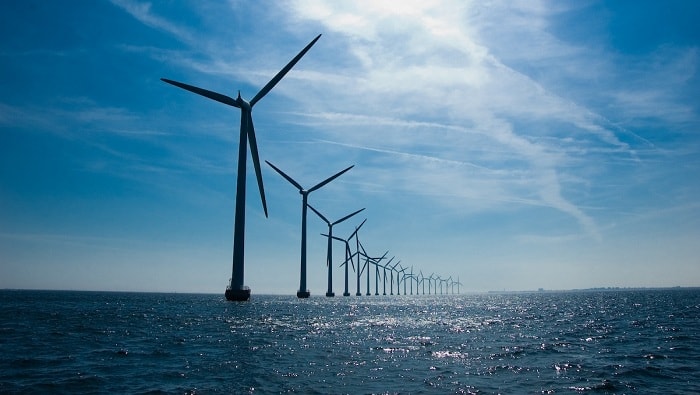
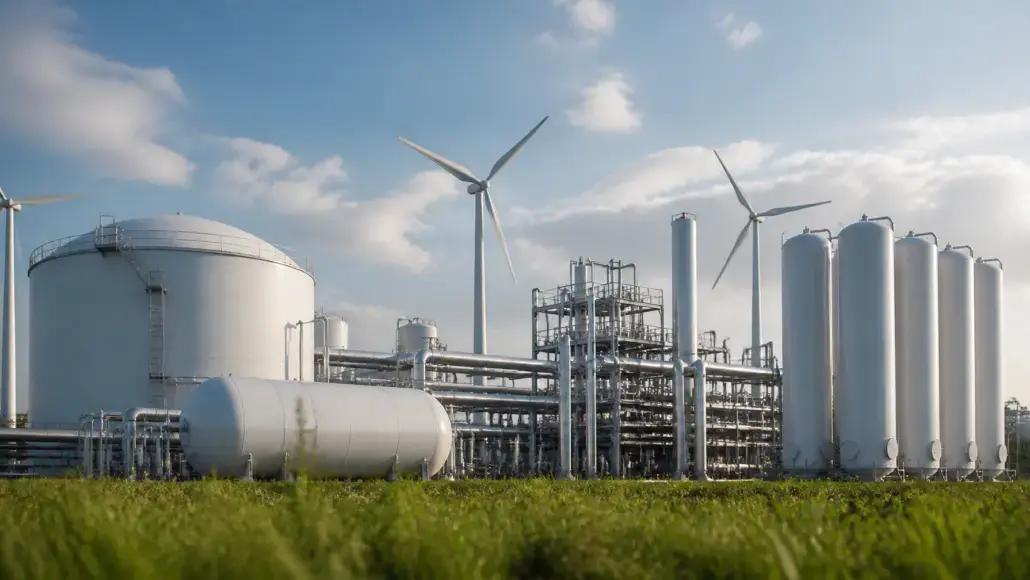
At the heart of a hydrogen hub is the strategic connection between abundant renewable energy resources and high-intensity industrial demand. PowerGen Advancement notes that by situating large-scale electrolyser systems near wind farms, solar parks, or hydroelectric facilities, hubs can minimize the costs and energy losses associated with transporting electricity over long distances. Simultaneously, by locating these production sites near ports, refineries, and chemical plants, the hubs ensure that the hydrogen produced can be directly and efficiently consumed as a feedstock or fuel. This synergistic arrangement not only improves the overall efficiency of the energy system but also creates a predictable market for hydrogen, which is essential for attracting the large-scale investment needed to scale the industry.
The Strategic Importance of Industrial Clusters in Hub Development
The development of global green hydrogen hubs is intrinsically linked to the concept of industrial clusters. In many parts of the world, heavy industries like steel, cement, and chemical manufacturing are already concentrated in specific geographic regions, often near coastal areas or major transport nodes. These clusters represent the hard-to-abate sectors that are most in need of hydrogen for decarbonization. By transforming these existing clusters into hydrogen hubs, we can leverage their established infrastructure, skilled workforce, and logistical networks to accelerate the transition. This approach reduces the need for expensive greenfield development and allows for the incremental displacement of fossil fuels within a familiar industrial context.
Infrastructure Synergy and the Benefits of Co-Location
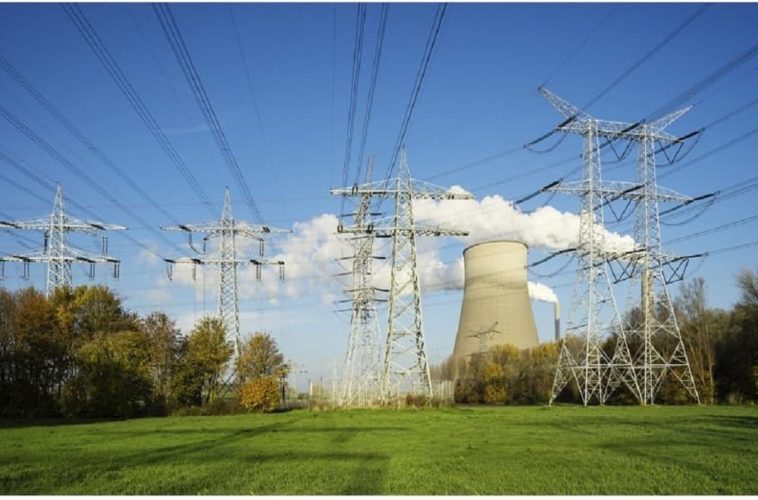
One of the most significant advantages of scaling global green hydrogen hubs is the infrastructure synergy that arises from co-location. A hub can support shared infrastructure that would be prohibitively expensive for a single project to develop on its own. This includes high-capacity electrical interconnections, large-scale hydrogen storage facilities (such as salt caverns or depleted gas fields), and dedicated hydrogen pipelines that connect multiple users within the hub. By spreading the costs of this infrastructure across multiple participants, the hub model significantly reduces the capital expenditure required for each individual project, making the entire ecosystem more economically viable.
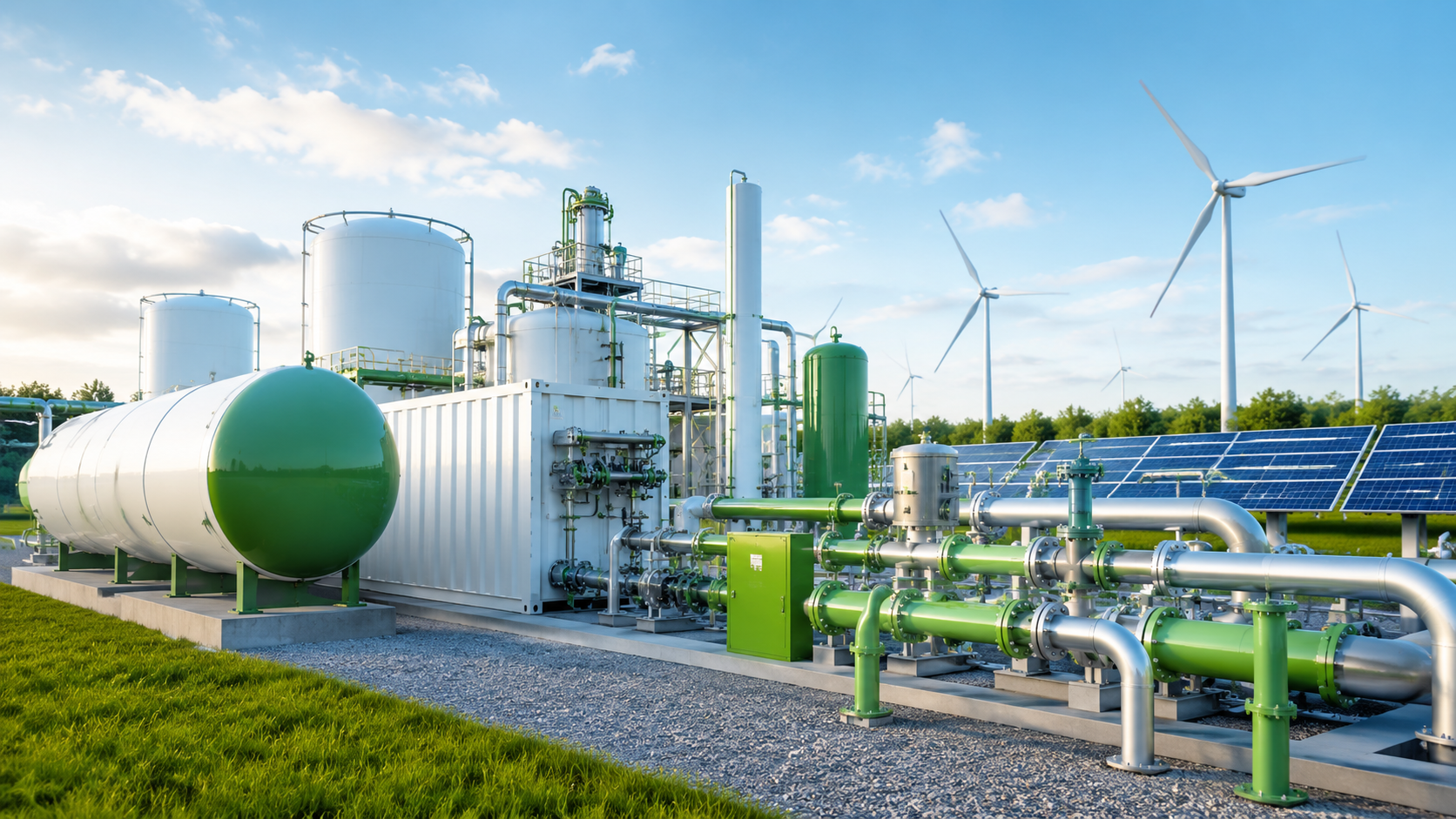
The sharing of storage facilities is particularly important for managing the variability of renewable energy. Within a hub, excess hydrogen produced during periods of high wind or solar output can be stored and then released when renewable generation is low or demand is high. This buffer capacity ensures a reliable and continuous supply of hydrogen to industrial users, which is critical for maintaining stable manufacturing processes. Furthermore, the presence of multiple hydrogen producers within a hub creates a competitive market that drives down prices and encourages technological innovation. This concentration of expertise and resources fosters a dynamic environment where new ideas can be tested and scaled rapidly.
Financing and De-Risking Large-Scale Hub Projects
The sheer scale and complexity of hydrogen hub projects require sophisticated financing strategies and a robust approach to risk management. Unlike smaller pilot projects, hubs involve billions of dollars in investment and long-term commitments from multiple stakeholders. To attract this capital, developers must demonstrate that the hub is technically sound, economically viable, and supported by a clear regulatory framework. Public-private partnerships are often the primary vehicle for hub development, with governments providing the initial seed funding and policy support needed to de-risk the project for private investors.
The role of offtake agreements is also crucial in the financing of hubs. By securing long-term contracts with industrial users within the hub, producers can guarantee a steady stream of revenue, which is essential for making the project bankable. Governments can support these agreements through mechanisms like contracts for difference (CfDs), which provide a price floor for green hydrogen and protect producers from fluctuations in the energy market. As the hub model matures and more operational data becomes available, the perceived risks will decrease, allowing for a wider range of financial instruments—such as green bonds and infrastructure funds—to participate in the sector.
Regional Dynamics and Global Hydrogen Trade Corridors
The global landscape of hydrogen hubs is being shaped by diverse regional strategies that reflect local resources and economic priorities. In regions with abundant and low-cost renewable energy, such as Australia, Chile, and the Middle East, the focus is on creating export-oriented hubs that can supply clean energy to international markets. these regions are developing massive production and liquefaction facilities at their ports, preparing to ship hydrogen and its carriers (like ammonia) to demand centers in Europe and East Asia. These export hubs are the starting points for the new global energy trade corridors that will replace the traditional oil and gas routes of the 20th century.
In contrast, in industrial heartlands like Germany, China, and the United States, the focus is on domestic hubs that prioritize the decarbonization of local industry. These hubs are often designed to integrate domestic production with imported hydrogen, ensuring a diverse and resilient supply. The coordination between these different types of hubs—export-oriented and demand-focused—is essential for the creation of a truly global hydrogen economy. By establishing international standards for hydrogen purity, safety, and carbon certification, the global community can facilitate the seamless flow of clean energy between hubs across the world, optimizing the use of resources and accelerating the energy transition.
The Role of Innovation and R&D within Hydrogen Hubs
Hydrogen hubs are not just centers of production and consumption; they are also engines of innovation and research and development. The concentration of companies, academic institutions, and government agencies within a hub creates a fertile ground for the development of new technologies. Within a hub environment, manufacturers can test next-generation electrolyser systems, advanced storage materials, and innovative end-use applications in real-world conditions. This living laboratory approach allows for faster feedback loops and more rapid iteration, reducing the time it takes for new technologies to reach commercial maturity.
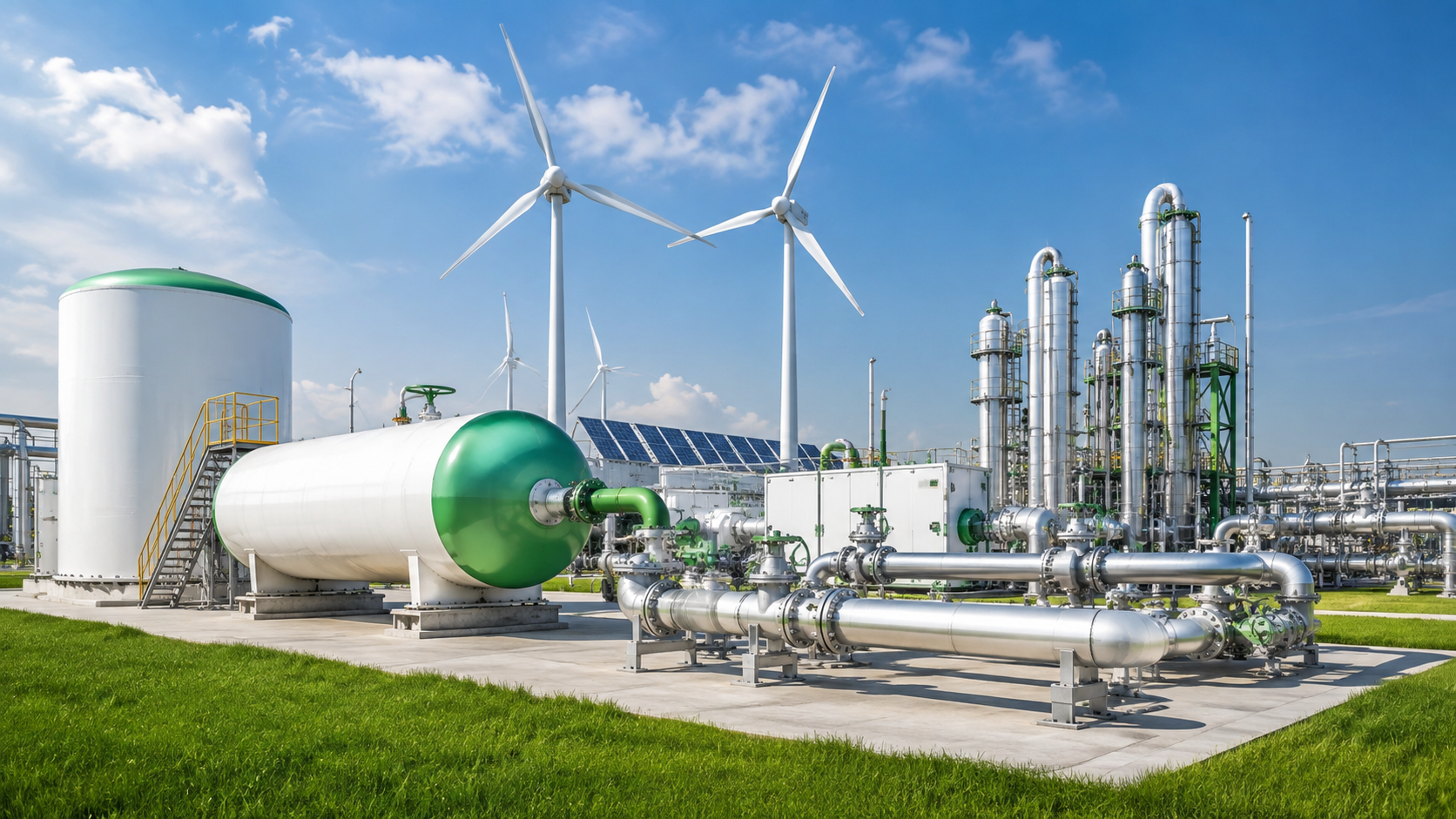
Many hubs also host specialized training centers and vocational programs designed to develop the skilled workforce needed for the hydrogen economy. By providing hands-on experience with advanced hydrogen systems, these programs ensure that the next generation of engineers, technicians, and operators is prepared for the challenges of this new industry. The human capital developed within a hub is just as important as the physical infrastructure, as it provides the expertise needed to design, build, and operate the complex energy systems of the future. The collaboration between industry and academia within the hub ecosystem is a key driver of long-term sustainability and competitiveness.
Environmental and Social Impact of Hub Development
As we scale global green hydrogen hubs, it is essential to consider their environmental and social impact. While the primary goal is to reduce carbon emissions, the construction and operation of large-scale industrial facilities must be managed in a way that minimizes local environmental footprints. This includes addressing issues related to water use (particularly for electrolysis in arid regions), land use, and potential air and water pollution. Many hubs are now incorporating advanced water recycling and waste management systems, ensuring that they operate in harmony with the local environment.
Social acceptance is another critical factor. The development of a hydrogen hub can bring significant economic benefits to a region, including job creation, infrastructure investment, and increased tax revenue. However, it also requires the support and trust of the local community. Transparent communication about the benefits and risks of the project, as well as the meaningful involvement of community members in the planning process, is essential for building this support. By ensuring that the benefits of the hub are shared broadly and that the concerns of local residents are addressed, developers can secure the social license needed to operate and grow over the long term.
Future Perspectives: The Interconnected Web of Global Hubs
Looking toward 2050, the vision for global hydrogen infrastructure is one of a vast, interconnected web of hubs that span the entire world. In this future, hydrogen hubs will be the foundational nodes of a zero-carbon energy system, providing clean fuel and feedstock to every corner of the global economy. The transition from isolated projects to integrated hubs is the key to unlocking the full potential of green hydrogen, enabling the deep decarbonization of our most challenging industries and providing a pathway to a more sustainable and resilient world.
The journey toward this future is already underway, driven by the vision of pioneers and the commitment of nations around the world. Every hub that is announced, every pipeline that is laid, and every electrolyser that is installed is a step toward this new energy paradigm. Scaling global green hydrogen hubs for clean energy is more than just a technical or economic project. It is a global mission to build a future where clean energy is abundant, reliable, and accessible to all. As we continue to innovate and collaborate, PowerGen Advancement believes that the vision of a hydrogen-powered world is rapidly becoming a reality, centered around these dynamic and essential hubs.