


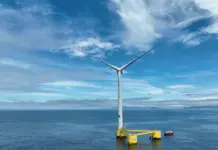



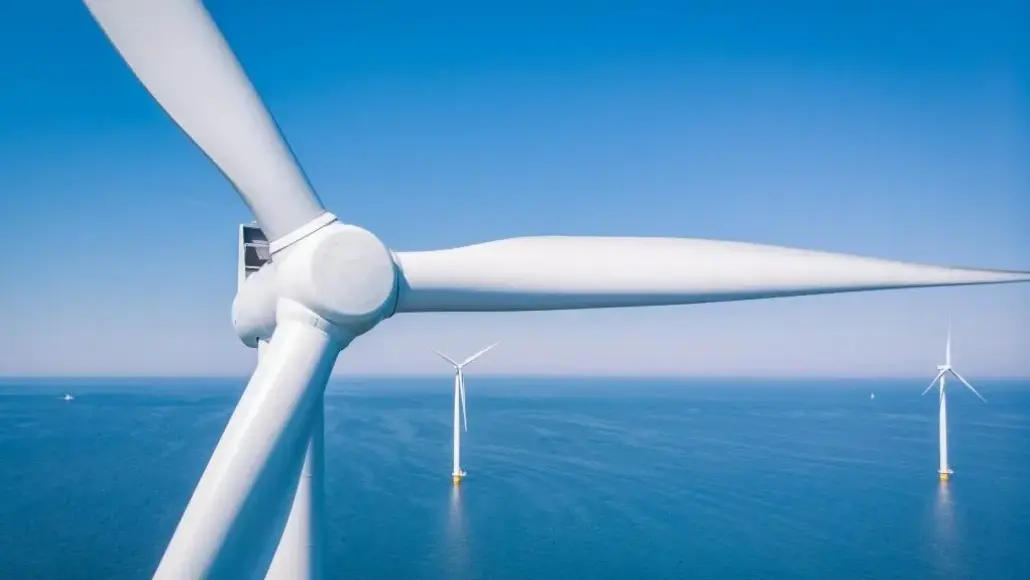
The new Welsh Government has officially granted consent for its first major offshore wind project, marking a significant milestone for the region. The approval, issued under Section 36 consent, clears the final regulatory path for the Llŷr project, a floating test and demonstration scheme located in the Celtic Sea off the coast of Pembrokeshire.
Economic Impact and Development
According to the Welsh Government, the construction phase of this offshore wind project is expected to generate approximately 2,000 jobs. Beyond the initial build, the initiative is projected to provide additional skilled employment opportunities once the facility is fully operational.
Adam Price, Cabinet Minister for Enterprise, Connectivity and Energy, said: “Major offshore wind projects such as this important scheme can be catalysts for economic growth and prosperity.”
The minister said the government would work with the company to bring high-quality jobs to Wales, which directly aligns with our mission to boost productivity.
Advancing Floating Wind Technology
Unlike conventional installations, the Llŷr site serves as a specialized testing facility. Managed by Cierco Energy, the project is designed to validate the technical capabilities required to unlock energy generation in the deeper waters of the Celtic Sea. These findings are expected to inform the development of larger-scale renewable energy deployments planned for the coming decade.
Finalizing Consents and Future Outlook
The recent granting of Section 36 consent represents the final stage of a multi-step approval process. Earlier this year, the project secured a marine licence from Natural Resources Wales and finalized seabed rights through an agreement with The Crown Estate.
Scott Harper, chief executive of Cierco Energy, said: “Securing Section 36 consent is a fantastic achievement for Llŷr and for Wales.”
With the project currently targeting first power for 2031, Pembrokeshire continues to serve as a focal point for the sector. The region’s deep-water port infrastructure remains a strategic asset as the government works to transform its broader renewable energy pipeline into active construction projects.