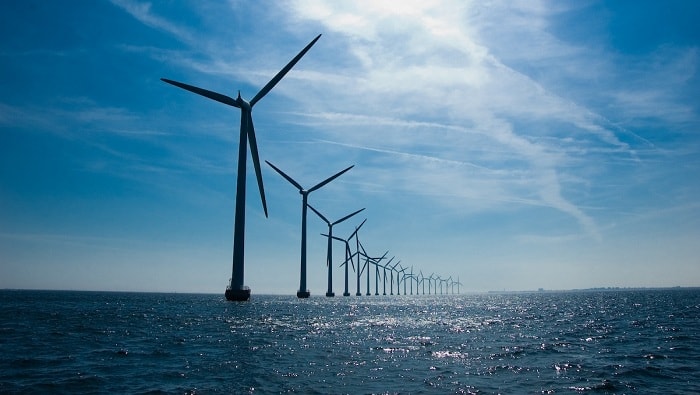


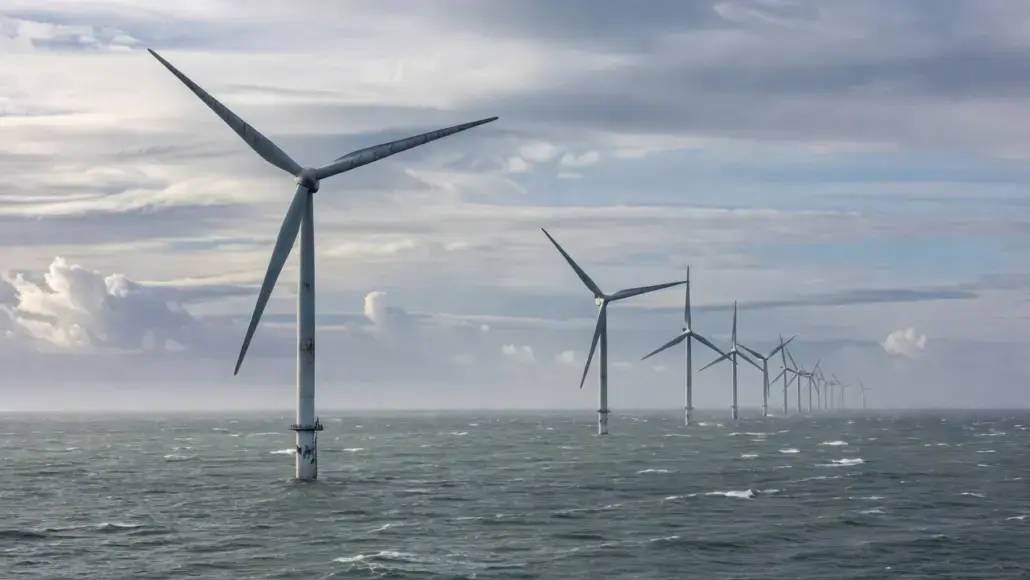
The transition to a low-carbon economy has placed offshore wind at the forefront of the global energy strategy. Gigawatt-scale wind farms are being deployed across the North Sea, the Atlantic, and the Asia-Pacific region, representing billions of dollars in capital investment. However, the harsh marine environment—characterized by corrosive saltwater, extreme wind gusts, and relentless wave action—presents a unique set of challenges for asset longevity and operational efficiency. To maximize the return on these investments, the industry is turning to digital twins, a revolutionary approach that creates a virtual mirror of physical assets to optimize performance and reduce costs.
A digital twin is not merely a static 3D model. It is a dynamic, data-driven representation of a physical object or system that evolves in real time. PowerGen Advancement notes that by integrating data from thousands of sensors embedded in turbine blades, nacelles, and foundations, digital twins allows operators to visualize the state of their assets with unprecedented clarity. This virtual environment serves as a sandbox for testing scenarios, predicting failures, and refining maintenance strategies without risking the physical hardware. As the size of offshore turbines continues to grow, exceeding heights of 250 meters and blade lengths of 100 meters, the ability to manage these giants through digital intelligence has become a non-negotiable requirement for the industry.
The Convergence of Physical Engineering and Digital Intelligence
The power of digital twins lies in its ability to bridge the gap between the physical and digital worlds. In the past, offshore wind asset management was largely reactive. Maintenance crews would be dispatched based on fixed schedules or when a component had already failed. In the volatile environment of the open sea, this approach is both inefficient and dangerous. A digital twin changes the paradigm by enabling predictive maintenance. By analyzing vibration patterns, temperature fluctuations, and oil quality in real time, AI analytics can identify the early warning signs of a gearbox failure or a bearing issue months before a catastrophic breakdown occurs.
This intelligence is built upon a foundation of high-fidelity data. Modern offshore wind farms are equipped with an array of sensors that capture every aspect of turbine operation. From the aerodynamic load on the blades to the structural fatigue of the subsea foundation, every data point is fed into the digital twin. The virtual model uses this information to simulate the health of the turbine, comparing its actual performance against its design specifications. If a turbine is underperforming relative to the local wind conditions, the digital twin can help diagnose whether the issue is a pitch control problem, a fouled blade surface, or a deeper mechanical flaw.
Optimizing Wind Farm Monitoring and Performance
Beyond the health of individual turbines, digital twins provide a holistic view of the entire wind farm. One of the most significant challenges in offshore wind is the wake effect, where the turbulence created by one turbine reduces the energy yield of the turbines behind it. Traditionally, this was difficult to manage because wind conditions are constantly shifting. However, a digital twin can model the complex fluid dynamics of the wind farm in real time. By subtly adjusting the yaw and pitch of upstream turbines, operators can steer the wind to minimize wake losses and increase the total energy output of the cluster.
This level of wind farm monitoring also extends to the electrical infrastructure. Subsea cables and offshore substations are the lifelines of the wind farm, and their failure can take an entire array offline. Digital twins can monitor the thermal load on cables and the condition of transformers, ensuring that the power generated by the turbines reaches the grid safely and efficiently. In an era where energy security is paramount, the ability to guarantee the reliability of offshore wind assets is a major strategic advantage. By optimizing turbine performance and minimizing downtime, digital twin technology directly contributes to lowering the Levelized Cost of Energy (LCOE) for offshore wind.
Predictive Maintenance and the Economics of Offshore Operations
The financial impact of digital twins is most clearly seen in the reduction of operational expenditures. Sending a service vessel or a heavy-lift jack-up rig to a remote wind farm is an incredibly expensive undertaking. If a maintenance task can be performed during a scheduled visit rather than as an emergency repair, the savings are substantial. Predictive maintenance allows operators to cluster repairs, optimizing the use of logistics and personnel. Furthermore, by extending the operational life of components through better management, the overall ROI of the wind farm is significantly improved.
The digital twin also plays a crucial role in life extension programs. Most offshore wind farms are designed for a 20- to 25-year lifespan. However, by using digital twins to track the actual cumulative fatigue on each structure, operators may find that some assets can safely operate for an additional five or ten years. This structural health monitoring is based on real-world data rather than conservative design assumptions. The ability to push the boundaries of asset life without compromising safety is a game-changer for the economics of the offshore wind sector.
The Role of AI Analytics and 5G in Digital Twins
The evolution of digital twins is being accelerated by advancements in AI analytics and telecommunications. Machine learning algorithms are becoming increasingly adept at processing the massive datasets generated by wind farms. These systems can recognize subtle patterns that indicate wear or degradation, providing operators with actionable insights rather than just raw data. For example, an AI might notice that a specific type of blade coating is degrading faster than expected in certain humidity conditions, allowing the company to switch materials in future projects.
Connectivity is the other piece of the puzzle. To function effectively, digital twins require a high-bandwidth, low-latency link between the offshore assets and the onshore control center. The deployment of private 5G networks and low-earth-orbit (LEO) satellite constellations is providing this connectivity, even in the most remote maritime locations. This allows for real-time visualization and even remote operation of certain systems. In the future, we may see autonomous maintenance where the digital twin coordinates the activities of robotic crawlers and drones to perform inspections and minor repairs without human intervention.
Integrating Digital Twins into the Renewable Energy Lifecycle
The utility of digital twin technology is not limited to the operational phase of a wind farm. In fact, digital twins can be created during the design and construction phases. Engineers can use the virtual model to test the layout of the wind farm against historical wind data, optimizing the placement of every turbine for maximum yield and minimal fatigue. During construction, the twin can be used to track the progress of installation, ensuring that every component is placed precisely according to the design.
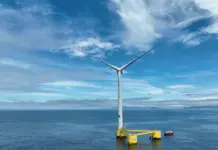
As the industry moves toward more complex offshore operations, such as floating wind and green hydrogen production, the role of digital twins will only grow. Floating wind turbines, which are subject to even more complex hydrodynamic forces, are essentially impossible to manage without sophisticated digital models. Similarly, integrating wind power with electrolyzers to produce hydrogen requires a level of system-wide coordination that only a digital twin can provide. PowerGen Advancement believes that by serving as the digital backbone of the energy transition, this technology is ensuring that offshore wind remains a reliable and scalable source of clean power for generations to come.