
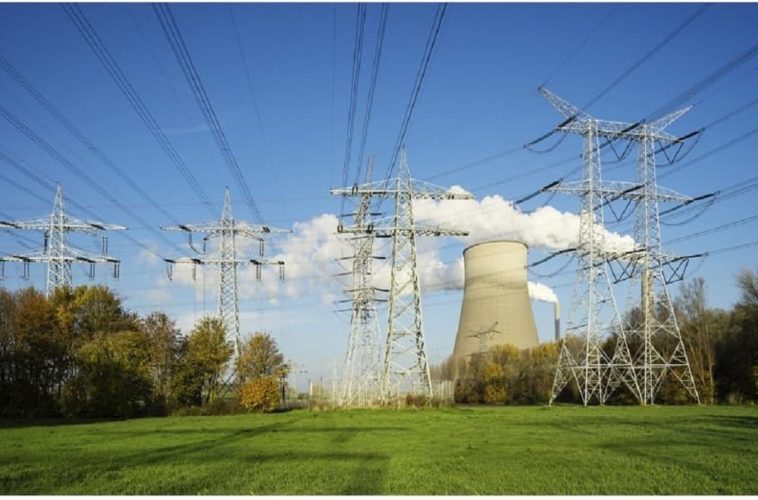
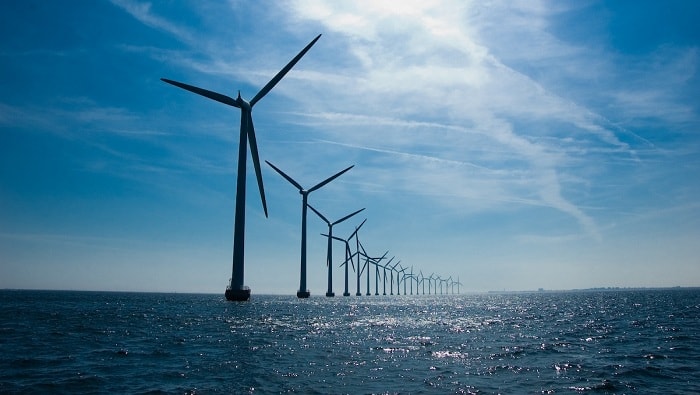

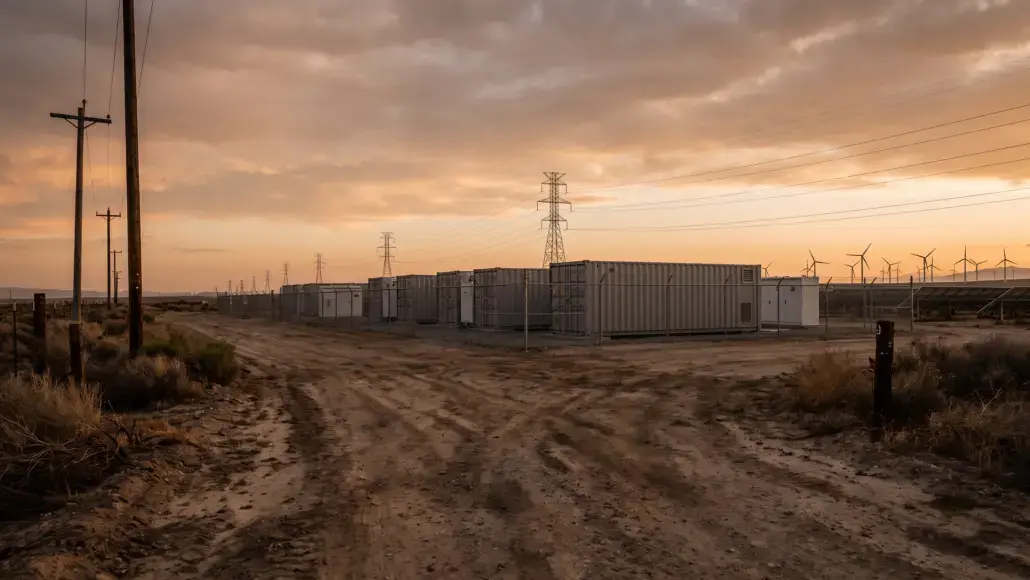
The architecture of the modern power grid is undergoing its most significant transformation since the days of Thomas Edison. Historically, grid stability was maintained through large, centralized fossil-fuel or nuclear power plants that provided consistent baseload power and rotating inertia. As we transition toward a decentralized system dominated by variable renewable energy, the fundamental physics of the grid is changing. The challenge of the coming decade is not just generating clean electrons, but ensuring that the system remains resilient in the face of extreme weather, geopolitical instability, and the inherent variability of wind and solar. PowerGen Advancement notes that the long-duration energy storage and grid resilience are now inextricably linked, forming the dual pillars upon which the future power system will be built.
Defining Resilience in a Decentralized Energy World
Resilience in a power system is often misunderstood as simple reliability. While reliability is the ability of the grid to provide power under normal conditions, resilience is the system’s capacity to withstand, adapt to, and rapidly recover from high-impact, low-probability events. These include catastrophic storms, cyberattacks, or extended periods of energy drought where renewable generation falls short for several consecutive days. Traditional backup systems, like gas-fired peaker plants, are increasingly at odds with climate goals and are themselves vulnerable to fuel supply disruptions. Long-duration energy storage (LDES) provides a localized, carbon-free alternative that can sustain critical infrastructure for days, rather than hours, making it the ultimate insurance policy for the modern utility.
The Role of LDES in Maintaining Grid Inertia and Stability
One of the more technical aspects of grid management is the maintenance of inertia. Traditional thermal power plants use massive spinning turbines that naturally resist changes in frequency, providing a crucial buffer when a large load or generator suddenly trips. Solar panels and wind turbines, which connect to the grid via power electronics (inverters), do not inherently provide this physical inertia. As renewable penetration increases, the grid becomes brittle and more susceptible to rapid frequency swings that can lead to widespread blackouts. Many long-duration energy storage and grid resilience solutions, particularly mechanical systems like pumped hydro or compressed air, utilize rotating machinery that can provide synthetic or physical inertia, effectively stiffening the grid and allowing for a higher percentage of renewable integration without compromising safety.
Managing Multi-Day Weather Events and Seasonal Shifting
The primary vulnerability of a 100% renewable grid is the Dunkelflaute—an extended period of low wind and solar output. Short-duration batteries, while excellent for smoothing out cloud cover or evening peaks, are insufficient for these multi-day events. LDES technologies, capable of discharging power for 10 to 100 hours, are specifically designed to bridge these gaps. By storing energy during weeks of surplus generation and releasing it during these critical periods, LDES ensures that the lights stay on even when the weather refuses to cooperate. This capability is not just about convenience; it is a matter of public safety, ensuring that heating, cooling, and medical services remain operational during the most extreme environmental conditions.
Strengthening Critical Infrastructure and Microgrids
The shift toward a more resilient grid also involves a move toward islandable microgrids. These are localized energy systems that can disconnect from the main grid during a failure and continue to operate independently. For hospitals, military bases, and emergency response centers, the combination of on-site solar and long-duration energy storage and grid resilience offers a level of security that traditional diesel generators cannot match. LDES avoids the single point of failure associated with fuel delivery during a disaster, as it recharges itself from the sun or wind as soon as conditions improve. This decentralized approach to resilience reduces the overall risk to the macro-grid by containing failures and ensuring that essential services are the last to go dark.
Cyber Resilience and the Distributed Storage Advantage
In an era of increasing digital threats, the centralized nature of traditional power plants makes them high-value targets for cyberattacks. A distributed network of long-duration energy storage assets is inherently more difficult to disable. By spreading storage capacity across various nodes in the network, utilities create a buffer that can absorb the impact of a localized disruption. Furthermore, many LDES systems use simple mechanical or chemical processes that are less reliant on complex, internet-facing control software than high-end lithium-ion management systems. This security through diversity is a key component of a comprehensive strategy for long-duration energy storage and grid resilience.
Economic Resilience: Hedging Against Market Volatility
Resilience is not only physical; it is also economic. The global energy crisis has demonstrated how sensitive the grid is to the price of natural gas and coal. When fuel prices spike, electricity rates follow, creating economic hardship for consumers and industry alike. LDES decouples the cost of electricity from the volatility of global commodity markets. Once the capital expenditure for an LDES system is paid, the fuel—wind and sun—is free. This creates a predictable, stable pricing environment that enhances the economic resilience of entire regions, protecting them from the geopolitical shocks that frequently disrupt the flow of fossil fuels.
Integrating LDES into Long-Term Utility Planning
For utility planners, the integration of long-duration energy storage and grid resilience requires a shift in how value is calculated. Standard models often prioritize the lowest immediate cost, which favors short-term fixes. However, a resilience-focused approach looks at the Value of Lost Load (VOLL)—the economic cost to society when the power goes out. When VOLL is factored into the equation, the investment in LDES becomes overwhelmingly logical. State and federal regulators are beginning to mandate Resource Adequacy plans that specifically include long-duration assets, recognizing that a grid that is only reliable 99% of the time is no longer sufficient for a modern, electrified economy.
As we look toward the 2030s and beyond, PowerGen Advancement believes that the success of the energy transition will be measured not just by the amount of carbon we remove, but by the stability of the system we leave behind. Long-duration energy storage is the missing piece of the puzzle, providing the physical and economic fortitude necessary to support a truly sustainable world. By investing in these technologies today, we are ensuring that the future power system is not only green but unshakeable.