


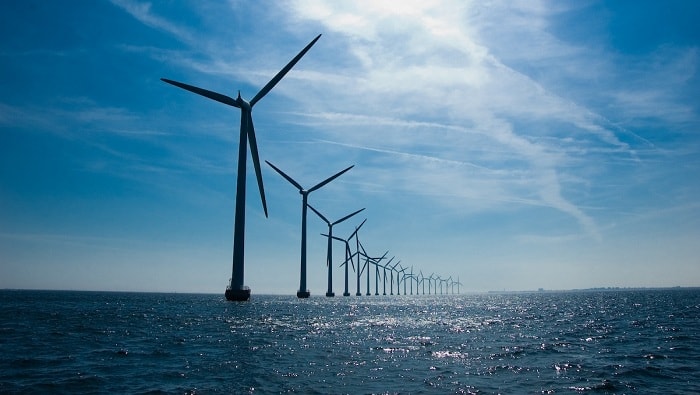



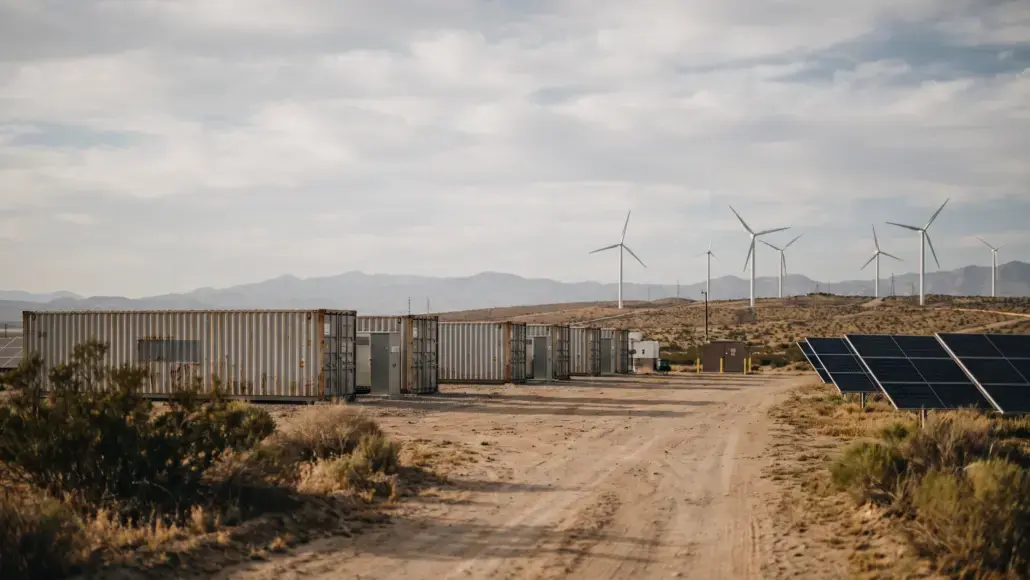
The global energy landscape is currently witnessing a paradigm shift that is as much about financial viability as it is about environmental necessity. As we push toward higher penetrations of solar and wind energy, the primary challenge has moved from the cost of generation to the cost of integration. While the Levelized Cost of Energy (LCOE) for renewables has plummeted over the last decade, making wind and solar the cheapest forms of new generation in history, their intermittent nature introduces economic friction in the form of price volatility and curtailment. PowerGen Advancement notes that this is where long-duration energy storage emerges as a transformative economic catalyst, fundamentally altering the value proposition of clean energy by providing the missing link between variable supply and constant demand.
The Economic Limitations of Short-Duration Assets
To appreciate the impact of long-duration energy storage, one must first analyze the current economic model of short-duration storage, typically dominated by lithium-ion systems. These assets are primarily designed for energy arbitrage over a few hours or for providing high-value ancillary services like frequency regulation. While profitable, they do not solve the fundamental problem of seasonal or multi-day energy imbalances. When a region experiences a week of low wind or overcast skies, short-duration batteries are exhausted within hours, forcing the grid to rely on expensive, carbon-intensive peaker plants. This reliance keeps electricity prices high and creates a floor for carbon emissions that short-term batteries simply cannot penetrate.
Redefining the Levelized Cost of Storage (LCOS)
The introduction of long-duration energy storage (LDES) technologies—such as flow batteries, thermal storage, and mechanical systems—shifts the focus from the capital expenditure of the battery itself to the total system value. In the context of renewable energy economics, LCOS is becoming a more critical metric than LCOE. LDES systems often have higher initial setup costs but significantly lower marginal costs for adding energy capacity. For instance, in a flow battery or a compressed air system, doubling the storage duration does not double the cost, as it might with lithium-ion. This non-linear cost scaling is what makes LDES the backbone of a cost-optimized grid, allowing utilities to capture excess energy during peak production months and release it during periods of high demand without the linear cost penalties associated with traditional batteries.
Mitigation of Price Cannibalization and Negative Pricing
One of the most significant economic hurdles for renewable energy developers is price cannibalization. This occurs when so much solar or wind energy is produced simultaneously that the market price drops to zero or even becomes negative. Without storage, developers are forced to curtail or waste this energy, losing potential revenue and lengthening the payback period for their assets. Long-duration energy storage acts as a strategic buffer, soaking up this free energy and storing it for discharge during high-priced evening peaks or even several days later. By flattening the price curve, LDES ensures that renewable assets remain profitable and reduces the financial risk for investors, thereby lowering the cost of capital for future clean energy projects.
Grid Flexibility as a Tradeable Commodity
Beyond simple arbitrage, long-duration energy storage transforms grid flexibility into a tangible, tradeable commodity. In modern power markets, the ability to respond to multi-day weather events or unexpected plant outages is becoming increasingly valuable. LDES provides firming for renewable energy contracts, allowing developers to offer baseload renewable power—a product that commands a significant premium over variable power. This ability to guarantee supply regardless of weather conditions changes the competitive dynamic between renewables and fossil fuels. When renewables are paired with LDES, they can compete directly with coal and gas not just on price per megawatt-hour, but on reliability and dispatchability.
Deferring Expensive Transmission and Distribution Upgrades
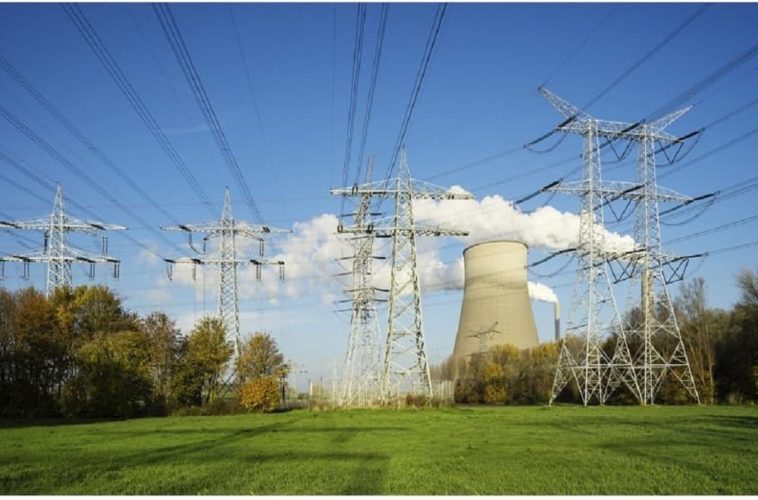
From a macro-economic perspective, the deployment of long-duration energy storage offers massive savings in infrastructure spending. Traditional grid expansion involves building thousands of miles of high-voltage transmission lines to bring energy from remote wind farms to urban centers. These projects are notoriously expensive, legally complex, and slow to implement. LDES allows for a non-wires alternative approach. By placing storage closer to demand centers, utilities can maximize the utilization of existing lines, storing energy when lines have capacity and discharging it when they are congested. This infrastructure deferral saves taxpayers and ratepayers billions of dollars while accelerating the timeline for grid decarbonization.
Supporting the Decarbonization of Hard-to-Abate Industries
The economic reach of long-duration energy storage extends beyond the power grid and into the industrial sector. Heavy industries like steel, cement, and chemical manufacturing require constant, high-temperature heat that has traditionally been supplied by natural gas. Long-duration thermal storage can convert excess renewable electricity into high-grade industrial heat, storing it for use in 24/7 manufacturing processes. This not only reduces the carbon footprint of these industries but also hedges them against the volatile prices of fossil fuels. The economic stability provided by LDES-driven industrial heat is a game-changer for global manufacturing competitiveness in a carbon-constrained world.
The Role of Policy and Market Design in LDES Economics
While the technical potential of long-duration energy storage is clear, its full economic impact depends on evolved market designs. Most current energy markets are designed for the just-in-time delivery model of fossil fuels. To unlock the value of LDES, markets must move toward rewarding capacity and resilience over longer time horizons. Regulatory frameworks like the Inflation Reduction Act (IRA) in the United States and the Green Deal in Europe are already providing the subsidies and tax credits necessary to bridge the gap between early-stage deployment and mass-market scaling. As these policies take hold, the virtuous cycle of increasing volume and decreasing cost will accelerate, much as it did for solar panels and wind turbines.
The integration of long-duration energy storage into the global power system represents the final step in the maturity of the renewable energy sector. It moves us from a world of accidental green energy—available only when the wind blows—to a world of intentional energy security. The economic benefits ripple through every level of society, from lower utility bills for consumers to more stable investment climates for global industry. As LDES technologies continue to scale, PowerGen Advancement believes that they will not just support the renewable energy transition. They will define its economic success.