









SK Group has entered into a partnership with global investment firm Colberg Kravis Roberts (KKR) to create what is set to become South Korea’s largest renewable energy company, bringing together a wide range of clean energy businesses currently operated by different SK Group affiliates. The initiative will unite solar, wind, fuel cell, and energy storage system (ESS) operations that are presently distributed across the group’s subsidiaries, supporting a broader push into renewable energy that aligns with key government priorities. The establishment of the new renewable energy company represents another major step in SK Group’s ongoing restructuring efforts linked to national strategic policy objectives.
On 1st July 2026, SK Group confirmed that it had signed a share investment agreement with a fund managed by KKR for the integrated renewable energy business. As part of the transaction, SK Innovation, SK Ecoplant and SK Discovery are transferring their renewable energy operations and related shareholdings to KKR. The combined business, which will operate under the tentative name ‘HoldCo’, is expected to be formally launched before the end of this year. Once established, the renewable energy company will begin with approximately 1.7GW of capacity and has outlined plans to increase that figure to 10GW by 2031.
Explaining the significance of that target, SK Group stated, “10GW is sufficient to power 100 units of 100MW-scale data centers without interruption. This positions the entity as a key clean energy supplier for AI data centers and global semiconductor production lines.”
KKR to Hold Majority Stake as Capacity Targets Grow
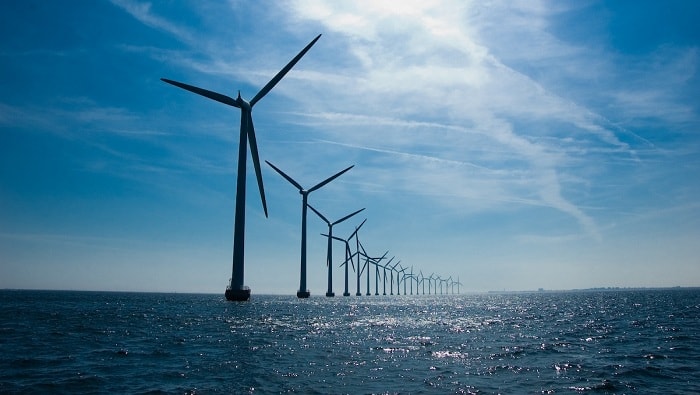
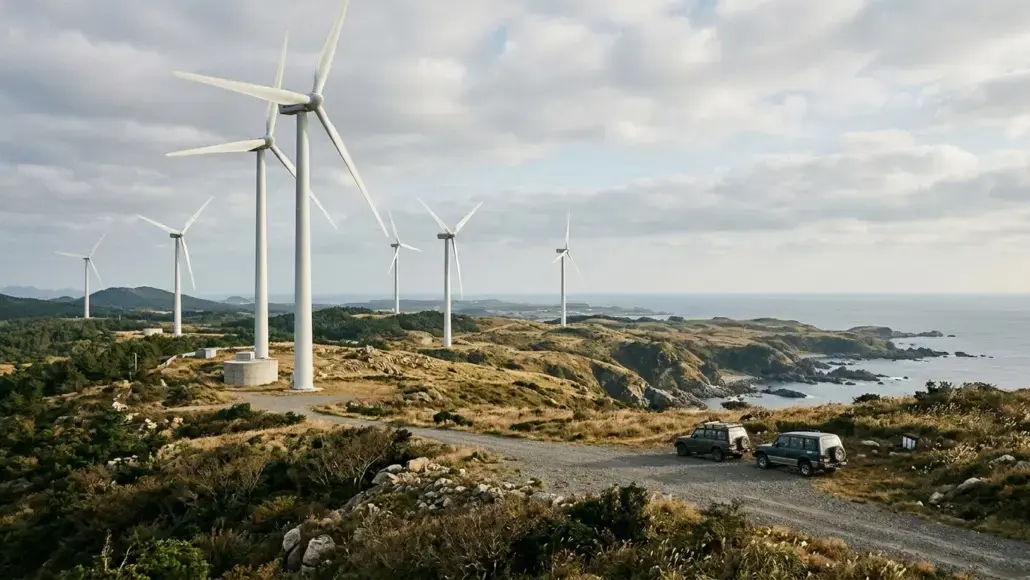
Under the ownership structure agreed by the two parties, KKR will own 51% of the integrated entity, while SK Inc. will retain the remaining 49%. KKR will initially exercise management control, although SK Group has indicated that future discussions could address the possibility of obtaining management rights. The newly formed renewable energy company will consolidate SK Group’s renewable energy portfolio, excluding hydrogen, and will encompass solar power, onshore and offshore wind projects, fuel cells, and ESS assets.
According to SK Group, the purpose of combining these businesses is to centralize development, construction, operation, and maintenance functions currently dispersed across subsidiaries, reducing redundant investments and achieving economies of scale. Industry observers view the latest move as part of a broader pattern of investments and restructuring initiatives by SK Group spanning AI, semiconductors, and renewable energy sectors, all of which align closely with government development priorities.
KKR brings significant experience to the partnership. The investment firm manages more than 100 billion dollars in infrastructure assets globally and has invested around 31 billion dollars (48 trillion Korean won) in renewable energy infrastructure since 2011. During the past five years, the firm has also committed multi-trillion-won investments to South Korea’s environmentally focused energy and AI infrastructure sectors. Looking ahead, SK Group intends to utilize KKR’s international network to pursue overseas power opportunities, lower costs through joint procurement of power facilities, and improve operational efficiency through integrated management of the combined business.