










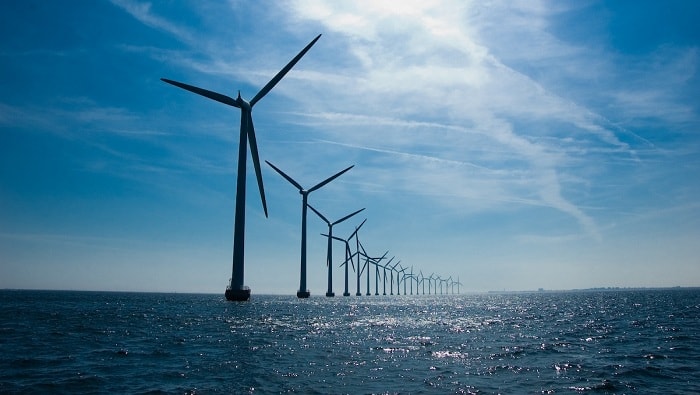




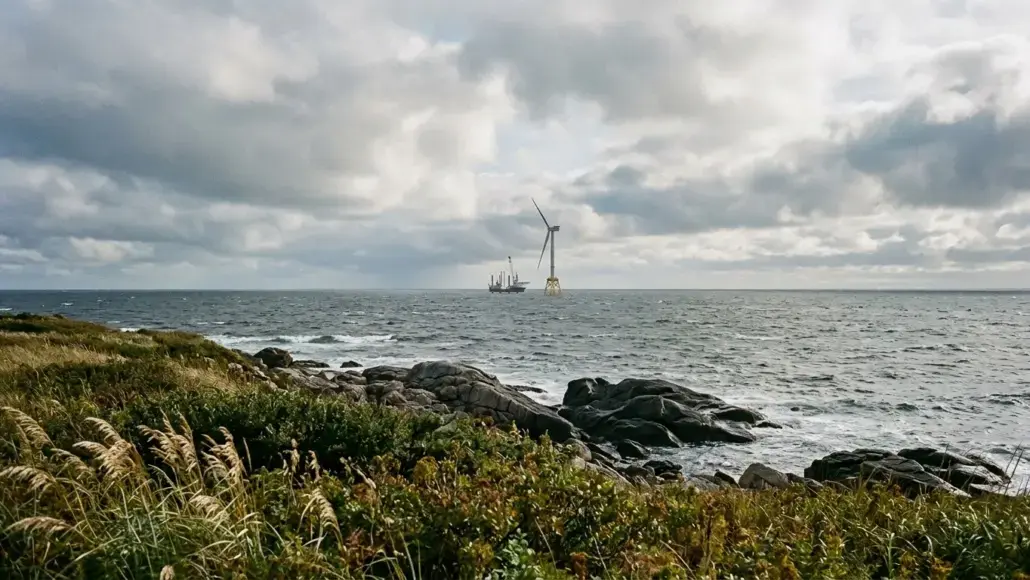
Canada and the province of Nova Scotia have moved ahead with plans to establish a domestic offshore wind energy industry by identifying the companies eligible to participate in the upcoming bidding process. Officials involved in the initiative pointed to the strong level of international interest, noting that the participation of experienced global developers reinforces the region’s potential to emerge as a leading destination for offshore wind farm.
The pre-qualification process for the offshore wind farm project was conducted by the Canada-Nova Scotia Offshore Energy Regulator (CNSOER), an independent joint agency established by the government of Canada and Nova Scotia. As part of the review, the regulator assessed applicants against a range of requirements covering financial strength as well as technical, legal and social considerations.
Commenting on the milestone, Nova Scotia Premier Tim Houston said, “By attracting companies with the experience and know-how to deliver large energy projects, we are setting the stage for a successful offshore wind industry here at home.”
Among the five firms and groups that secured pre-qualified status were several internationally recognized developers. These included DEME from Belgium, Jan De Nul based in Luxembourg, and Ming Yang from China. Two consortiums were also approved to move forward, including a group involving Hanwha Ocean and Q Energy France. According to the regulator, participants were permitted to keep their status private at this stage if they chose not to disclose it publicly.
First Offshore Wind Sites Set for Auction
Formal bidding for the country’s first offshore wind energy sites is expected to begin in late 2026. The evaluation of submissions will take place at both the federal and provincial levels before successful license holders are selected and announced.
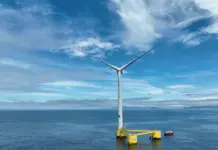
The initial lease areas that will be offered were identified in July 2025. Four zones were designated in total, with three located east of Nova Scotia and one situated to the north. Middle Bank, Sable Island Bank, and Sydney Bight are each positioned at least 25 kilometers (15 miles) offshore and are located in waters suitable for fixed-bottom turbine installations. The fourth site, French Bank, lies approximately 20 kilometers (12.5 miles) from shore and features significantly deeper waters, potentially requiring floating turbine technology. Additional locations remain under review by the province for future development opportunities.
Long-Term Capacity Goals Support Export Ambitions
Government plans call for an initial bidding round covering 2.5 GW of capacity, with further licensing rounds expected to follow. The stated objective is to license 5 GW by 2030, marking an important step in the broader expansion of offshore wind energy in the region.
Nova Scotia Premier Tim Houston has outlined an ambitious long-term vision for the sector, positioning the province as a future energy exporter. Although Nova Scotia currently records peak electrical demand of approximately 2.4 GW of power, Houston has projected that generation capacity from the industry could reach between 40 and 50 GW by 2050. Such growth would support the province’s aspiration to supply energy beyond its own borders.
Massachusetts has been identified as one potential destination for future Canadian wind-generated electricity. The state is seeking additional renewable energy sources following the Trump administration’s decision to stall efforts across New England aimed at expanding offshore energy capacity.