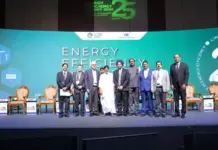

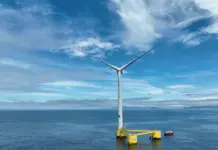
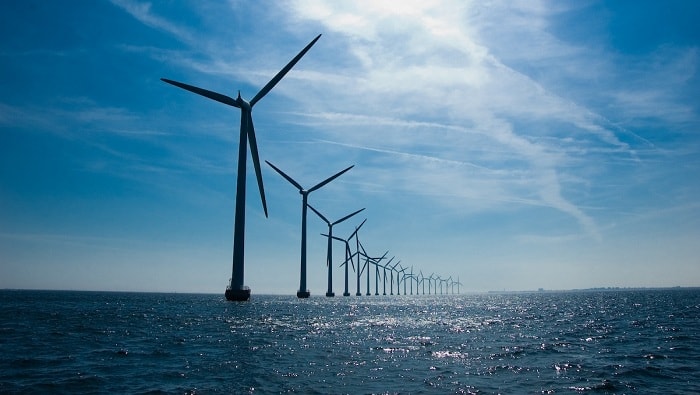

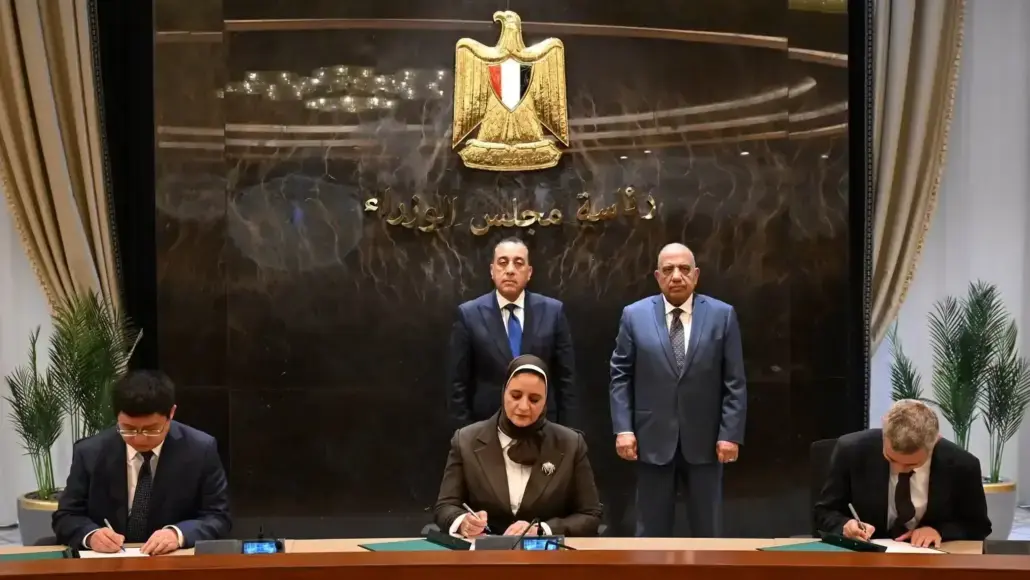
Egypt has taken a major step in strengthening its renewable energy sector following the signing of a memorandum of understanding (MoU) to establish the country’s first wind turbine factory and develop a 2-gigawatt (GW) wind power project in the Gulf of Suez. The agreement signing was witnessed by Egyptian Prime Minister Mostafa Madbouly during a ceremony held at the Cabinet headquarters in the New Administrative Capital, attended by Minister of Electricity and Renewable Energy Mahmoud Esmat.
The first wind turbine factory initiative is designed to support Egypt’s broader efforts to localise renewable energy technologies, increase clean energy generation capacity and strengthen domestic manufacturing capabilities. It forms part of the country’s strategy to boost local industry participation in renewable energy projects while increasing the domestic component used in such developments. The agreement also supports the localisation of advanced solar and wind energy technologies, expansion of electrical equipment manufacturing and implementation of renewable energy projects in Egyptian pounds.
In addition, the project is expected to benefit from Egypt’s trade agreements, enabling locally manufactured products to reach export markets throughout Africa and the Middle East.
Partnership Between SANY Renewable Energy, EETC and NREA
The MoU was signed between China’s SANY Renewable Energy, a global leader in wind turbine manufacturing technology, and Egypt’s Egyptian Electricity Transmission Company (EETC) and New and Renewable Energy Authority (NREA). Signatories included Li Qiang, Chairperson of SANY Renewable Energy, Mona Rizk, Chairperson of the EETC, and Ehab Ismail, Chief Executive Officer of the NREA.
Under the agreement, Egypt will establish its first wind turbine factory to manufacture equipment and components for local wind energy developments while exporting excess production to regional markets. The agreement further covers the development of a 2 GW wind power plant that will be implemented in local currency. The project supports Egypt’s National Energy Strategy, which aims to raise the share of renewable energy in the national energy mix to 45% within the next two years.
Government Highlights Renewable Energy and Energy Security Goals
Speaking on the sidelines of the signing ceremony, Madbouly emphasised the role of renewable energy projects in reinforcing Egypt’s electricity sector and broadening the country’s energy sources. He said that localising industries connected to renewable energy remains a central element of improving energy security and supporting Egypt’s green transition agenda.
Madbouly also pointed to the government’s continued efforts to strengthen cooperation among state institutions and expand partnerships with local and international private-sector investors. These partnerships are intended to accelerate renewable energy projects, including solar, wind and energy storage systems, using local currency. He further noted that Egypt is increasing its focus on energy storage solutions to maximise renewable energy output while maintaining the stability and reliability of the national electricity grid.
Project Timelines and Manufacturing Capacity
Esmat stated that localising electrical equipment manufacturing, particularly renewable energy components, aligns with the state’s objective of implementing solar and wind energy projects in Egyptian pounds. He added that the ministry is pursuing measures aimed at increasing local manufacturing content across the sector.
According to Esmat, the agreement includes the construction of the first wind turbine factory with an annual production capacity of 2 GW. The facility is expected to be completed within a maximum of two years after the signing of the final agreements. The wider project also includes a 2,000 MW wind farm, which is anticipated to be connected to Egypt’s national electricity grid within 23 months of project execution.
The minister further noted that Egypt’s growing market for solar and wind energy projects, combined with strong trade links across the Middle East and Africa, enhances the country’s position as a regional centre for renewable energy manufacturing and exports.