


The global energy landscape finds itself at a pivotal juncture, grappling with the dual imperatives of decarbonization and ensuring a stable, reliable power supply. Amidst this complex transition, nuclear energy emerges as a critical, low-carbon baseload power source, yet its future is shadowed by the aging of its existing fleet. The fundamental question then arises: how to sustain and even grow nuclear’s contribution? The answer often crystallizes into a strategic dilemma: should one extend the nuclear plant lifespans of existing reactors through meticulous retrofits, or should one embark on the ambitious, capital-intensive journey of constructing entirely new nuclear builds? Through this article, PowerGen Advancement delves into this profound debate, dissecting the economic, technological, safety, and policy considerations that underpin each approach, ultimately shaping the trajectory of our clean energy future.
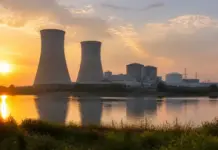
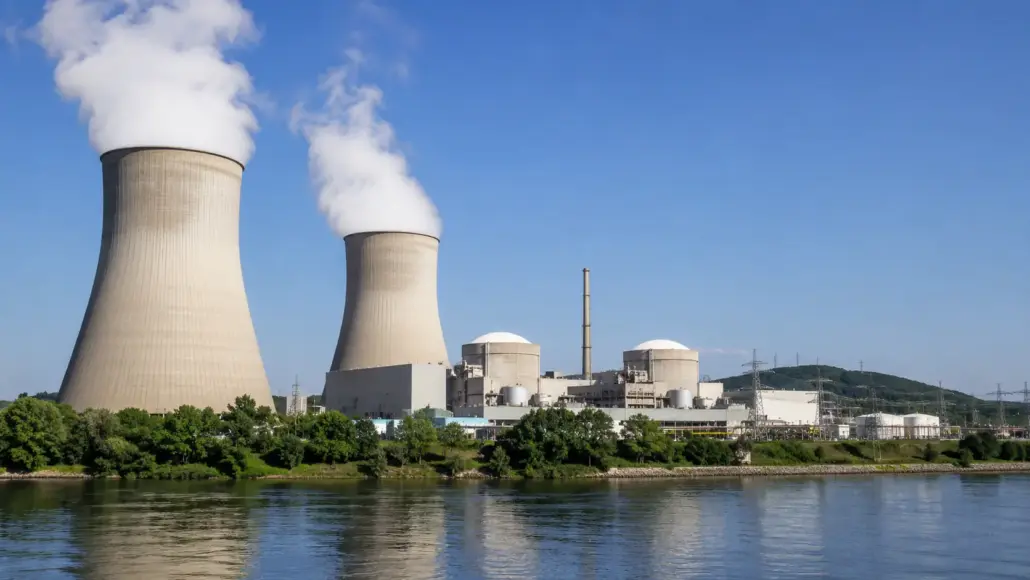
Nuclear power plants, for decades, have been the silent workhorses of national grids, providing consistent, emission-free electricity. However, many of these reactors, predominantly built between the 1960s and 1980s, are approaching or have already surpassed their originally envisioned operating nuclear plant lifespans of 40 years. Faced with the immediate need for reliable, carbon-free power and the immense costs associated with decommissioning, extending these lifespans has become an increasingly attractive proposition. This decision isn’t merely a technical one it’s a strategic calculation involving long-term energy security, economic viability, environmental commitments, and the political will to support an essential segment of our low-carbon electricity infrastructure.
The Imperative of Extending Existing Nuclear Plant Lifespans
The rationale for extending the nuclear plant lifespans of operational reactors is multifaceted and compelling. Firstly, from an environmental perspective, these plants are already producing vast quantities of low-carbon electricity, contributing significantly to climate change mitigation efforts. Shutting them down prematurely would necessitate their replacement, often by fossil fuel-fired alternatives in the short term, thereby increasing carbon emissions, or by renewable sources that, while vital, still require significant grid modernization and storage solutions for consistent baseload delivery. Extending their operation preserves a significant portion of a nation’s carbon-free generating capacity without incurring the immediate emissions associated with new construction.
Secondly, economic considerations play a crucial role. Existing nuclear plants represent massive sunk investments, with much of their initial capital costs already amortized. The marginal cost of electricity production from an operating nuclear plant is often highly competitive, especially when compared to the escalating costs of fossil fuels or the enormous upfront capital required for new nuclear builds. Prolonging their operation ensures continued returns on these initial investments, delaying the need for costly decommissioning, and maintaining a stable employment base of highly skilled workers. This also contributes to overall power market reliability, offering consistent generation that is not subject to the intermittency of many renewable sources.
Finally, extending nuclear plant lifespans supports national energy security. By maintaining a diverse energy mix, countries reduce their reliance on volatile global energy markets and enhance the resilience of their grids against external shocks. Nuclear power’s ability to operate independently of weather patterns and fuel supply fluctuations (once fuel is onsite) makes it an invaluable asset in ensuring continuous power availability. This strategy is an integral part of a comprehensive clean energy strategy, bridging the gap while new technologies and renewable infrastructure mature.
The Strategy of Nuclear Plant Retrofit: Modernizing for Longevity
When one speaks of extending nuclear plant lifespans, they are largely referring to a nuclear plant retrofit program. This is not simply a matter of continuing to run the same machinery it involves comprehensive upgrades, component replacements, and rigorous safety reviews designed to ensure the plant can operate safely and efficiently for an additional 20 or even 40 years beyond its original design life.
The scope of a nuclear plant retrofit can be extensive. It typically includes replacing major components like steam generators, turbines, or even reactor vessel heads. Instrumentation and control systems are often upgraded from analog to digital, improving reliability, diagnostics, and operational efficiency. Furthermore, extensive materials analysis and aging management programs are put in place to monitor and mitigate the effects of radiation, temperature, and pressure on crucial components. Seismic upgrades, fire protection enhancements, and improved security measures are also common elements of these life extension projects.
Advantages of Retrofitting
The primary allure of a nuclear plant retrofit lies in its comparatively lower capital expenditure and faster deployment time relative to building a new plant from scratch. By leveraging existing infrastructure the physical plant, transmission lines, cooling systems, and highly specialized workforce the financial and logistical hurdles are significantly reduced. This approach can bring a plant back to full operational capacity, or even enhance it, within a few years of project initiation, as opposed to the decade-plus construction timelines often associated with new nuclear builds. Moreover, extending the reactor life extension of an existing facility allows for the retention of invaluable institutional knowledge and a skilled workforce, preventing a brain drain in the nuclear sector. This helps maintain crucial expertise for future endeavors within the broader energy transition.
Challenges of Retrofitting
Despite the clear advantages, nuclear plant retrofit is not without its complexities. Regulatory scrutiny is intense, requiring detailed safety analyses and demonstrations that the plant can continue to meet or exceed modern nuclear safety upgrades standards. These reviews can be protracted and expensive. Unexpected findings during component inspection or replacement can lead to cost overruns and project delays. Furthermore, while the overall capital costs are lower than new builds, individual component replacements can still be substantial, and the plant must be taken offline for extended periods, impacting revenue generation and requiring careful planning for alternative power sources. The cumulative effect of numerous small-scale upgrades over several decades can also introduce operational complexities, necessitating highly skilled personnel to manage diverse systems.
The Ambition of New Nuclear Builds: A Clean Slate
In stark contrast to retrofitting, the development of new nuclear builds represents a profound commitment to the future of nuclear power, offering the opportunity to incorporate the latest advancements in reactor design, safety, and efficiency. This path is often chosen when a nation aims to significantly expand its nuclear capacity, replace an entire aging fleet, or integrate new technologies into its energy mix.
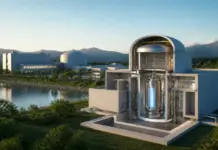
Modern new nuclear builds span a spectrum of designs, from large, gigawatt-scale Generation III+ reactors like the EPR or AP1000, to the highly anticipated Small Modular Reactors (SMRs) and even Generation IV designs. These newer designs feature enhanced passive safety systems, which rely on natural forces like gravity and convection rather than active pumps or human intervention to cool the reactor in an emergency. They also often boast higher fuel efficiency, longer operational lifespans (typically 60-80 years from the outset), and simplified construction methodologies designed to reduce costs and timelines.
Advantages of New Builds
The primary benefit of new nuclear builds is the opportunity for a “clean slate.” Designers can incorporate decades of operational experience and advanced scientific understanding into the reactor’s blueprint, resulting in inherently safer, more robust, and more efficient plants. SMRs, in particular, hold the promise of factory fabrication, standardization, and modular construction, which could drastically reduce construction risks, costs, and schedules, making nuclear power accessible to a broader range of markets and applications. These new plants are designed with modern nuclear safety upgrades integrated from the ground up, providing the highest levels of protection. Moreover, new builds can revitalize supply chains, create long-term jobs, and establish a new generation of expertise in nuclear technology, supporting a nation’s overarching clean energy strategy.
Challenges of New Builds
Despite the visionary appeal, the challenges associated with new nuclear builds are formidable. The most significant hurdle is undoubtedly the nuclear energy costs. Large-scale projects require billions of dollars in upfront capital, often taking a decade or more from conception to commissioning. These projects are highly susceptible to cost overruns and construction delays, making them financially risky propositions without strong government backing or innovative financing models. Public perception, particularly in the wake of past accidents, remains a significant barrier, leading to prolonged regulatory processes and potential public opposition. Furthermore, the question of long-term radioactive waste management continues to be a contentious issue that new builds must address, even with advancements in fuel cycles. These factors collectively impact the financial viability and overall power market reliability of new nuclear ventures.
A Comparative Analysis: Retrofit vs. New Build Costs and Considerations
The decision between a nuclear plant retrofit and new nuclear builds is rarely straightforward. It involves a complex weighting of various factors, with nuclear energy costs often being the decisive element.
From a purely financial perspective, reactor life extension typically presents a more attractive immediate option. The cost per installed kilowatt for a retrofit project is generally significantly lower than for a new build. For instance, extending the life of an existing plant might cost hundreds of millions to a few billion dollars, whereas a single large new nuclear build can easily exceed $10 billion, sometimes reaching upwards of $20-30 billion. The payback period for retrofits is also shorter, as the plant is already generating revenue and can resume operations relatively quickly after the upgrade.
However, this perspective simplifies the long-term view. While new builds have higher upfront nuclear energy costs, their extended design lifespans (60-80 years vs. 20-40 years for an extended existing plant) and potentially lower operational and maintenance costs (due to modern design and fewer legacy issues) might offer better long-term value. New builds also come with the promise of enhanced safety features and potentially higher efficiency, which translate into more robust power market reliability.
The timeframe is another crucial differentiator. Retrofits, while requiring outages, are generally completed within a few years. New nuclear builds, conversely, can take a decade or more, meaning their contribution to low-carbon electricity generation is deferred significantly. This timeline disparity is critical for nations with urgent decarbonization targets or immediate power supply shortfalls. The environmental footprint of construction also needs to be considered while both result in low-carbon electricity, the initial construction phase of a new build is more resource-intensive. The continuous integration of nuclear safety upgrades is paramount in both scenarios, ensuring public trust and regulatory compliance regardless of the age or origin of the plant.
Policy, Safety, and the Future of Nuclear Energy
The trajectory of nuclear plant lifespans, whether through retrofits or new builds, is inextricably linked to national energy policy and a steadfast commitment to nuclear safety upgrades. Governments play a crucial role in providing the regulatory certainty, financial incentives, and public education necessary to support nuclear energy. Policies that streamline licensing processes, offer loan guarantees, or implement carbon pricing mechanisms can significantly de-risk nuclear investments, making both retrofits and new builds more palatable.
Public perception, too, is a powerful determinant. Fostering trust through transparent communication about safety protocols, waste management, and the overall benefits of nuclear power is vital. Continuous investment in nuclear safety upgrades is not just a regulatory requirement but a moral imperative, rebuilding and maintaining public confidence in the technology. Accidents, even minor ones, can have disproportionately negative impacts on public support and hence, the future of nuclear plant lifespans and new projects.
Looking ahead, PowerGen Advancement notes that the technological advancements, particularly in SMRs and advanced reactor designs, could reshape the dynamics of this debate. SMRs, with their potential for smaller footprints, reduced capital costs, and suitability for diverse applications (including industrial heat and hydrogen production), might offer a compelling “middle ground,” blending some of the advantages of both retrofit (relatively faster deployment compared to large-scale builds) and new builds (modern safety and design). These innovations are crucial for strengthening nuclear’s role in the broader energy transition and ensuring its continued contribution to a resilient clean energy strategy.
In conclusion, the question of extending nuclear plant lifespans through retrofits versus investing in new nuclear builds is not a simplistic either/or proposition. It is a nuanced strategic decision influenced by a nation’s specific energy needs, economic realities, regulatory environment, and long-term vision for a sustainable future. Retrofitting offers a pragmatic, cost-effective, and quicker path to maintaining existing low-carbon electricity generation, leveraging established infrastructure and expertise while undergoing continuous nuclear safety upgrades. Conversely, new nuclear builds represent an ambitious leap forward, embracing advanced technologies for enhanced safety and efficiency, albeit with significantly higher nuclear energy costs and longer lead times. PowerGen Advancement believes both strategies are vital components of a comprehensive clean energy strategy aimed at achieving decarbonization goals and bolstering power market reliability. As the world continues its urgent pivot away from fossil fuels, nuclear energy, in its various forms, will undoubtedly remain a cornerstone of the global energy transition, with careful, informed decisions about its lifespan and expansion shaping our collective future.