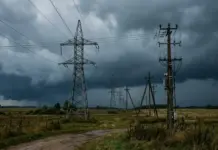
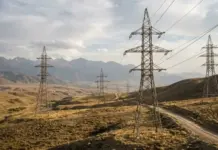


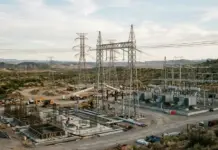
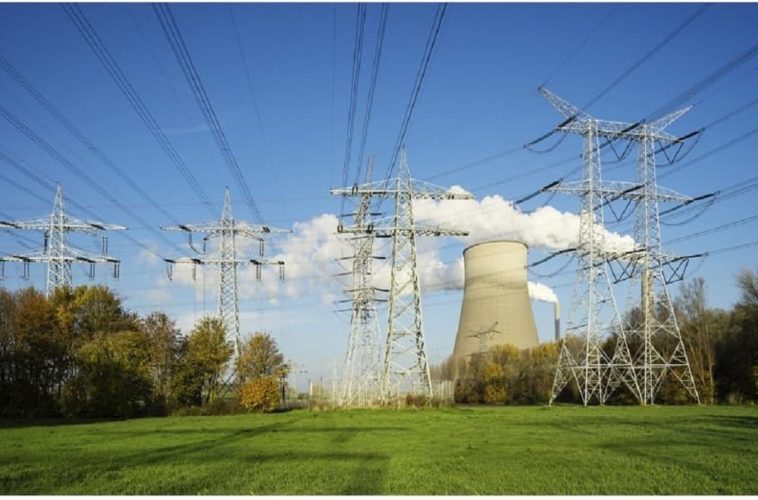



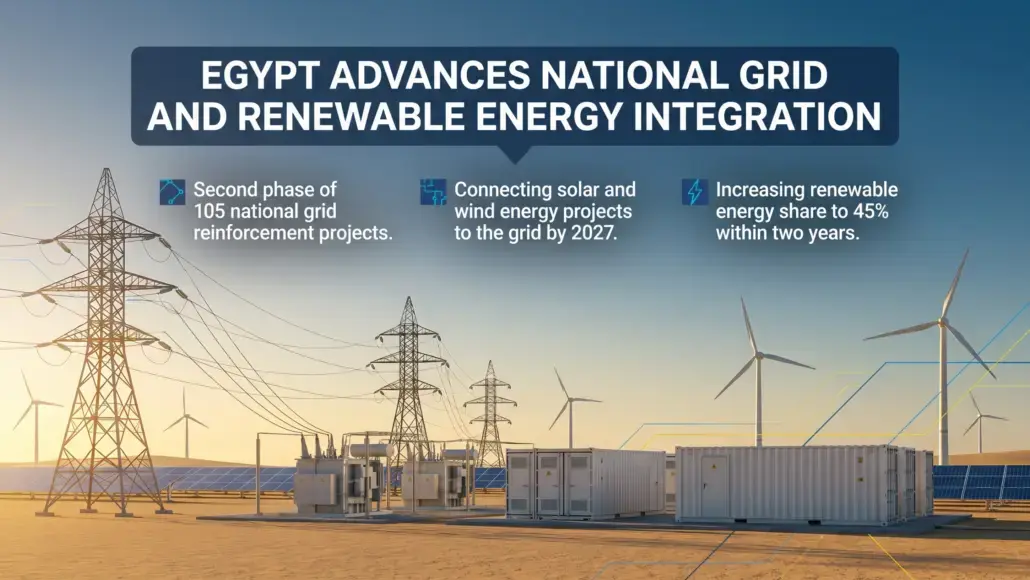
Egypt’s President Abdel Fattah El-Sisi has reviewed the ongoing progress of Egypt’s national electricity grid reinforcement efforts, focusing on the second phase of critical projects. This significant development regarding national grid reinforcement was detailed in a Cabinet Statement, highlighting the strategic importance of strengthening the nation’s power infrastructure.
The review meeting, as conveyed by presidential spokesperson Ambassador Mohamed El-Shenawy El-Shennawy, specifically addressed the implementation status of this second phase of national grid reinforcement projects. This comprehensive phase involves an estimated 105 distinct initiatives designed to enhance the reliability and capacity of the electricity network.
Further underscoring Egypt’s commitment to sustainable energy, Minister of Electricity and Renewable Energy, Mahmoud Esmat, provided insights into the forward-looking plans to integrate solar and wind energy projects with the national grid by the year 2027.
The national grid reinforcement discussions also cast a spotlight on current solar energy and battery storage projects. These efforts are integral to Egypt’s ambitious plan to elevate the proportion of renewable energy in its overall power generation mix to 45% within the next two years. The ongoing expansion of both grid-connected and standalone energy storage facilities is central to achieving this target.
Esmat reported on the successful operation of the initial phase of the Obelisk Solar Power Plant, which was connected to the grid earlier this year. This first phase boasts a substantial capacity of 500 megawatts (MW), complemented by a 200 megawatt-hour (MWh) battery energy storage system. He further indicated that the second phase of this project, set to add another 500 MW of solar capacity, is anticipated to be connected to the grid in the coming weeks. This is part of a deliberate strategy to introduce new solar and wind generation capacity during the peak summer demand period.
The meeting also provided an update on the developments concerning the Energy Valley project. Recognized as one of the world’s largest integrated clean energy projects, it features 1.7 gigawatts (GW) of photovoltaic solar generation capacity situated in Minya Governorate. This capacity is further supported by advanced battery energy storage systems, totaling 4 gigawatt-hours (GWh), distributed across Minya, Qena, and Alexandria governorates.