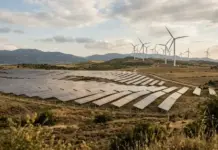

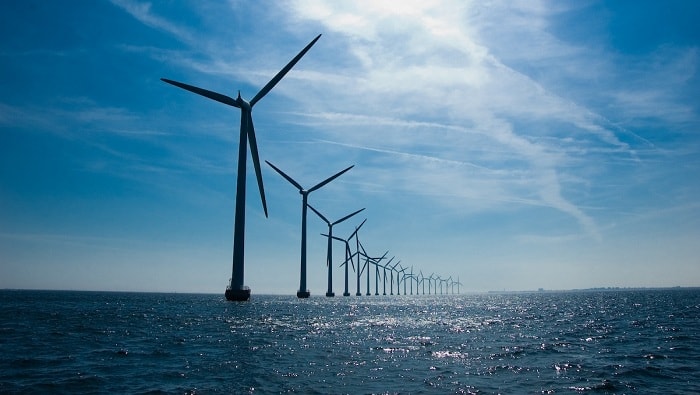

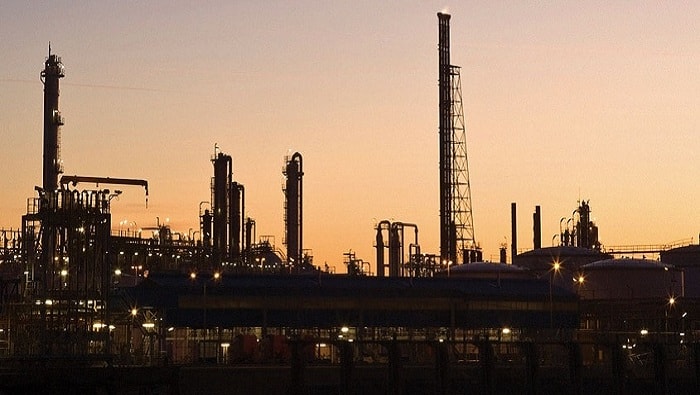
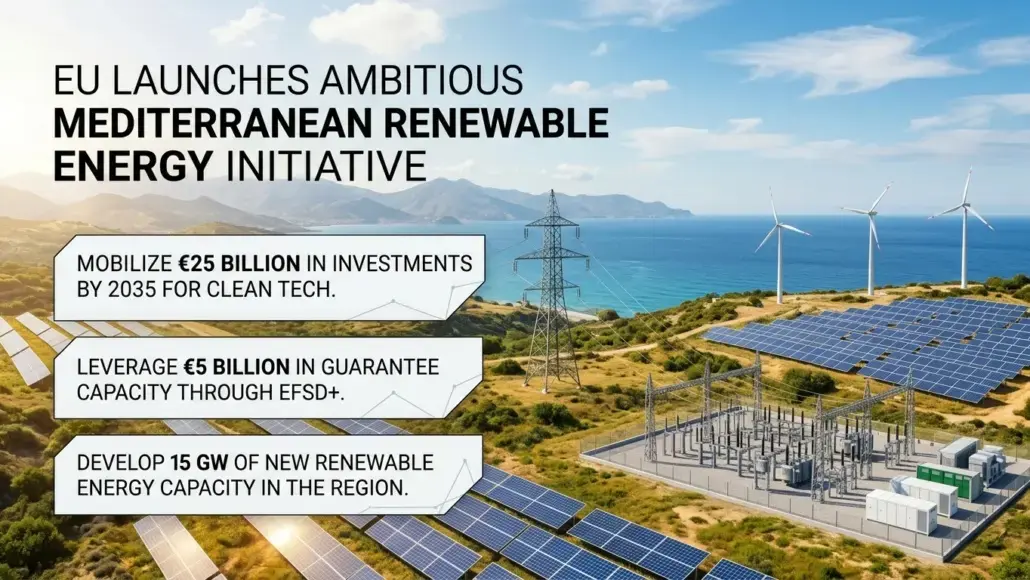
The European Commission has officially introduced the Trans-Mediterranean Renewable Energy and Clean Tech Cooperation (T-MED) initiative, a new program designed to foster energy cooperation across the Mediterranean. This ambitious undertaking aims to mobilize a substantial €25 billion in investments by the year 2035, with the primary goal of accelerating the deployment of renewable energy sources, hydrogen technologies, and other clean technologies throughout the Mediterranean region. The initiative also encompasses the development of critical electricity networks and related industrial sectors.
The T-MED initiative was formally unveiled during the European Sustainable Energy Week (EUSEW) by key figures within the European Commission, including Commissioner for the Mediterranean, Dubravka Šuica, and Commissioner for Energy and Housing, Dan Jørgensen. This program is a core component of the broader Pact for the Mediterranean, which serves as the European Union’s established framework for strengthening cooperative efforts with nations in the Middle East and North Africa.
To effectively support the T-MED program’s objectives, the European Commission is committing significant financial backing. Over €5 billion in guarantee capacity will be made available through the European Fund for Sustainable Development Plus (EFSD+). This financial instrument is intended to mitigate investment risks, thereby encouraging both public and private capital to flow into a diverse range of energy and clean technology projects across the Mediterranean region.
The Commission anticipates that the T-MED initiative will yield substantial results. Projections indicate a contribution to the development of 15 GW of new renewable energy capacity by 2035. Furthermore, the program is set to support crucial regulatory reforms within partner countries and is expected to facilitate the creation of more than 100,000 employment opportunities within the clean energy sectors. The overarching aim is to bolster energy cooperation through the establishment of strategic partnerships that involve governments, financial institutions, commercial enterprises, and local stakeholders.
According to official statements from the Commission, T-MED is poised to play a vital role in diversifying energy systems and supply chains. This diversification is expected to simultaneously enhance energy security across the region, improve competitiveness, and accelerate decarbonization efforts.
The implementation of T-MED will be structured around five key areas. As an initial step, the Commission has issued a Call for Expressions of Interest specifically targeting private investors, including commercial banks, asset managers, and impact funds. This call remains open for submissions until June 15. Concurrently, a separate Call for Expressions of Interest has been launched for project promoters, which will remain accessible until August 15, 2026. This call is aimed at companies eager to develop projects under the T-MED framework.
Looking ahead, the Commission plans to convene the inaugural operational meeting of the T-MED Investment Platform in October 2026. Subsequently, the first EU-Mediterranean clean-tech industrial partnerships are anticipated to begin taking shape in 2027, signaling a tangible start to collaborative ventures.
During the launch event, Commissioner Dubravka Šuica emphasized the significant renewable energy potential inherent in the Mediterranean region. She noted that the region holds an estimated 2,300 GW of renewable energy potential, a figure more than double the European Union’s current installed renewable capacity. Additionally, she highlighted that the generation costs for solar and wind power in the region are considerably lower, estimated at 30% to 40% less than in Europe.
Commissioner Dan Jørgensen underscored the critical link between Europe’s energy security and its transition towards electrified energy systems powered by clean energy. He stressed the importance of stronger interconnections and modern electricity networks, which are essential for reducing reliance on fossil fuel imports and mitigating exposure to volatile global energy prices.