
















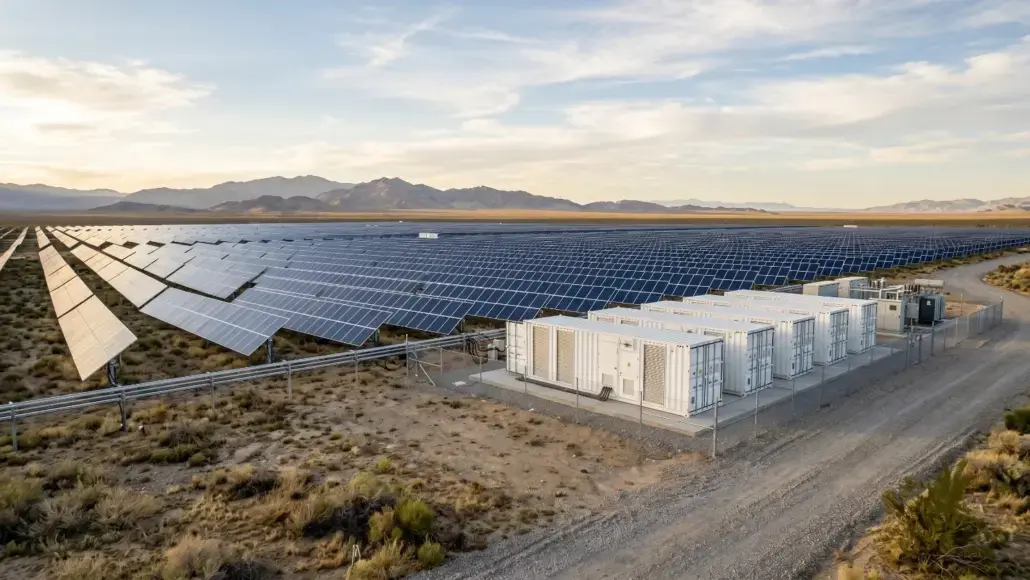
Malaysia is moving forward with plans to introduce a new 2000 MW large-scale solar energy procurement program known as Large Scale Solar 6 (LSS6). The initiative is expected to represent a significant step in the country’s energy transition strategy by making the inclusion of battery energy storage systems (BESS) compulsory for participating projects. Through this requirement, the government aims to improve electrical grid stability while supporting a greater share of renewable energy within the national power system.
Announcing the measure, Deputy Prime Minister Datuk Seri Fadillah Yusof said, “LSS6 projects will need to include batteries. This means that new generation initiatives based on solar power and other renewable sources will have to be accompanied by energy storage systems.”
The upcoming bidding exercise is expected to be the largest ever conducted within Malaysia’s solar sector. Authorities view the LSS6 tender as part of a broader effort to modernize the country’s electricity infrastructure and maintain a dependable power supply as renewable energy capacity continues to expand rapidly.
The requirement for battery storage in the LSS6 tender also supports objectives outlined in the National Roadmap for the Energy Transition (NETR). A key component of that strategy is the My Battery Energy Storage System (MyBeST) program, which is focused on deploying grid-scale BESS infrastructure under the oversight of the Energy Commission. Through initiatives such as the LSS6 tender, the government is seeking to promote a more diversified energy mix while accelerating the development of Malaysia’s green economy. Potential investments associated with these efforts are estimated at between 1.2 and 1.3 trillion Malaysian ringgit by 2050.
Launched in November 2024, the MyBeST program targets the deployment of 400 MW of battery capacity and 1,600 MWh of storage through four projects located across Peninsular Malaysia.
As renewable energy generation continues to grow, battery energy storage systems are increasingly being viewed as an essential technology for addressing the intermittency associated with solar power. These systems can help strengthen the reliability of the electrical network and enable more efficient integration of renewable resources into the grid.