










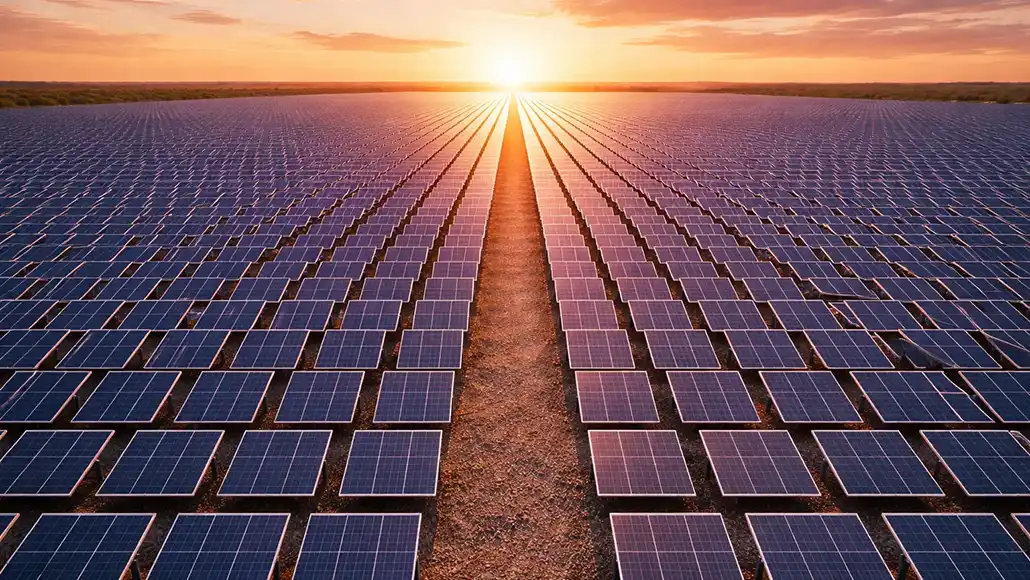
Zambia’s energy sector is advancing a significant renewable initiative as First Quantum Minerals moves to secure cleaner power for its operations through a 100 MW solar project in Chisamba. The solar photovoltaic development has recently reached financial closure, marking a key milestone for the country’s electricity sector and reinforcing momentum behind alternative energy investments. The 100 MW solar project is being developed by Kariba North Bank Extension Power Corporation, a subsidiary of the state-owned utility ZESCO, and is currently recognized as the largest grid-connected solar installation in Zambia. To enable its progress, approximately $71.5 million in commercial debt financing has been arranged through Stanbic Bank Zambia, underscoring strong backing from financial institutions for renewable energy ventures in the country.
A central aspect of the 100 MW solar project is its partnership framework involving GreenCo Power Services. Under this arrangement, GreenCo will procure the electricity generated by the solar facility and supply it directly to First Quantum Minerals for use in its mining operations. This structure is expected to create broader benefits beyond industrial consumption. As the mining company transitions to solar-generated electricity, the power it previously drew from the national grid will be freed up for households and small businesses, helping to ease supply constraints across the system.
The development comes at a time when Zambia is facing persistent electricity challenges, with power shortages and load shedding becoming more frequent due to declining hydropower output. Historically, the country has relied on hydropower for more than 80% of its electricity generation, but prolonged drought conditions and shifting rainfall patterns have reduced its reliability. Against this backdrop, the 100 MW solar project represents a strategic move to diversify the national energy mix while strengthening resilience in power generation. Notably, the project has been financed without direct government guarantees or reliance on public borrowing, highlighting the growing role of private sector participation in large-scale renewable infrastructure.
As construction progresses, the solar installation is expected to enhance Zambia’s overall electricity capacity, supporting both industrial demand and grid stability. By contributing additional generation to the system, the project will help improve the availability and reliability of power for everyday users across the country, reinforcing efforts to build a more sustainable and secure energy future.