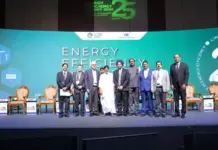








Egypt’s Minister of Industry Khaled Hashem recently convened with Chitose Noguchi, Resident Representative of the United Nations Development Programme (UNDP) in Egypt, and her delegation to explore avenues for augmenting collaboration. The central themes of their discourse revolved around advancing green transformation, scaling up renewable energy utilization, and bolstering industrial capacity building within Egypt. This strategic alignment is poised to drive significant progress in the nation’s sustainable development trajectory.
The discussions underscored the critical role of UNDP projects currently underway in Egypt. These initiatives span crucial areas such as energy, the green transition, digital transformation, governance, and financing for small and medium-sized enterprises (SMEs). A key objective is the effective integration of local producers into both domestic and global supply chains. These concerted efforts are designed not only to support Egypt’s commitment to sustainable development goals but also to foster robust job creation and advance women’s economic empowerment.
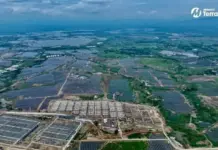
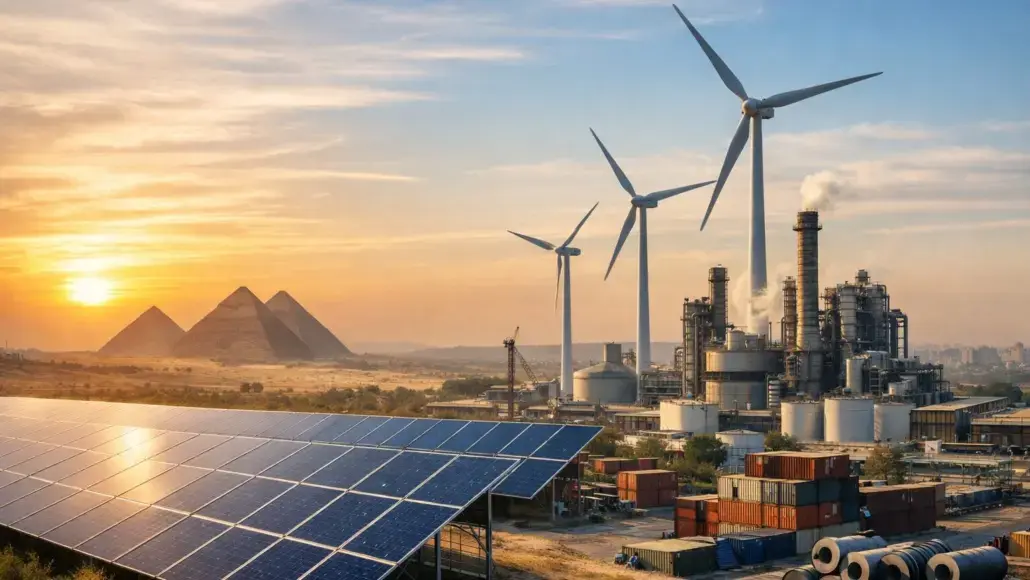
A significant point of review was the Egypt-PV solar systems project, a collaborative effort between the Industrial Modernisation Centre and UNDP, with financial backing from the Global Environment Facility. This vital initiative is dedicated to promoting the implementation of small-scale, grid-connected solar photovoltaic systems across a diverse range of facilities, including industrial, commercial, tourism, residential, and public buildings. To date, the project has facilitated the installation of over 240 small solar power stations on rooftops. Critically, it has also provided support to more than 20 factories operating in key industrial sectors, showcasing tangible progress in renewable energy adoption.
Minister Hashem emphasized the profound importance of the partnership between the Ministry of Industry and UNDP in developing comprehensive industrial and energy maps for Egypt’s industrial zones. This forward-thinking approach aims to alleviate pressure on the national electricity grid, foster a greater reliance on renewable energy sources like solar power, and substantially improve overall industrial energy efficiency. The successful implementation of these plans is integral to the future of Egypt’s industrial landscape.
The minister also highlighted the recent launch of the Egyptian Industry Advancement Strategy 2030. This ambitious strategy sets its sights on the development of seven priority industries, with a clear objective to elevate Egypt’s industrial exports to $100 billion by the year 2030. Integral to this strategy is the Industry Solar Initiative, which plans to establish solar power plants for factories with 1000 MW solar capacity within the next two years. This program is crucial for fortifying the resilience of Egyptian industry against the volatility of global energy markets.
Further underscoring the breadth of the cooperation with UNDP, Minister Hashem noted its scope extends to building local expertise in solar energy implementation. This includes facilitating the transfer of advanced technologies, such as artificial intelligence and automation, into industrial processes. This facet of the partnership is designed to elevate industrial product quality and assist Egyptian manufacturers in meeting the stringent requirements of the Carbon Border Adjustment Mechanism (CBAM), thereby enhancing the competitiveness of Egyptian exports within the European Union markets. This commitment to enhancing Egypt green industry cooperation is paramount.
Chitose Noguchi expressed strong support for the ministry’s initiative to deploy solar photovoltaic systems in factories with 1000 MW solar capacity. She reaffirmed UNDP’s unwavering commitment to championing the widespread adoption of solar energy across Egypt’s industrial sector. Noguchi further detailed UNDP’s ongoing efforts to build upon this momentum through the Solar Energy Transformation Initiative (SETI).
SETI is designed to establish a financing mechanism capable of attracting substantial private-sector investment for solar projects, targeting a total capacity of up to 200 megawatts. According to Noguchi, this initiative is intrinsically linked to UNDP’s broader objectives of accelerating the deployment of small- and medium-scale solar solutions and actively supporting Egypt’s fundamental transition towards clean energy systems. The continued focus on renewable energy Egypt, especially the 1000 MW solar capacity in factories, signifies a dedication to a sustainable future.