


The Australian Government has announced a significant expansion of its renewable energy infrastructure, selecting 19 new clean energy projects under Tender 7 of the flagship Capacity Investment Scheme (CIS). This pivotal initiative is set to bolster the National Electricity Market (NEM) and is projected to deliver enough clean electricity to power around 4 million Australian households by the year 2030.
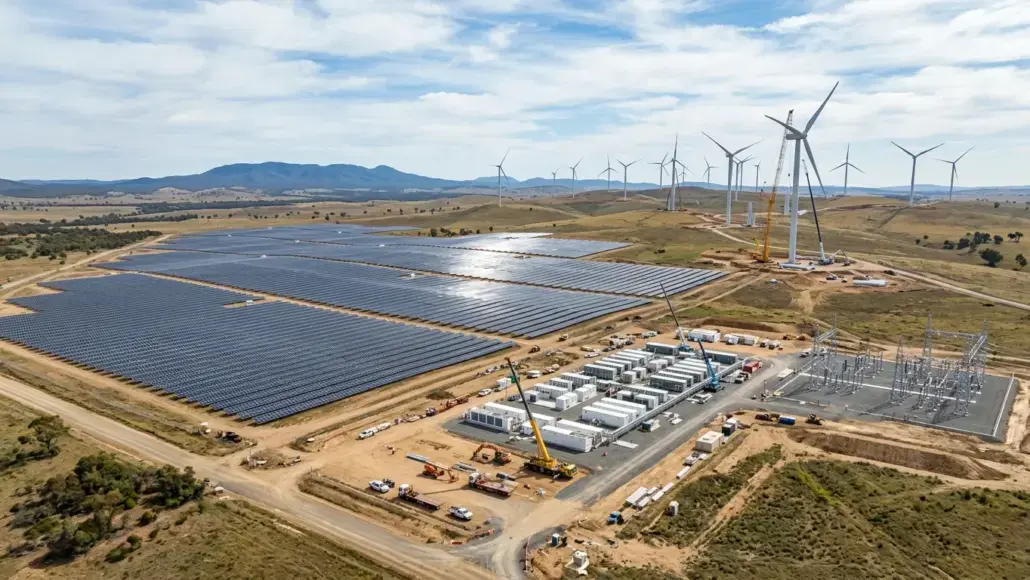
The selected projects under the CIS Tender 7 represent a substantial addition to the nation’s renewable capacity, combining to add 7.8 gigawatts (GW) of renewable generation capacity. Crucially, these developments will also integrate 7.9 gigawatt-hours (GWh) of battery energy storage through sophisticated hybrid systems that merge solar, wind, and battery technologies. These transformative projects will be strategically deployed across New South Wales, Queensland, Tasmania, Victoria, and South Australia, ensuring a broader geographical reach for this renewable energy push.
This ambitious program is expected to be a significant economic driver, with projections indicating the unlocking of nearly AUD 17 billion in private sector investment. Furthermore, the construction phases of these projects are anticipated to create approximately 19,000 jobs, providing a substantial boost to employment in regional areas. Beyond job creation, the program includes substantial community-focused commitments totaling close to AUD 1.2 billion. These funds are earmarked for initiatives designed to enhance local participation in the renewable energy transition, encompassing employment pathways, environmental ranger programs, vital mental health support, and specific measures to increase the involvement of First Nations communities.
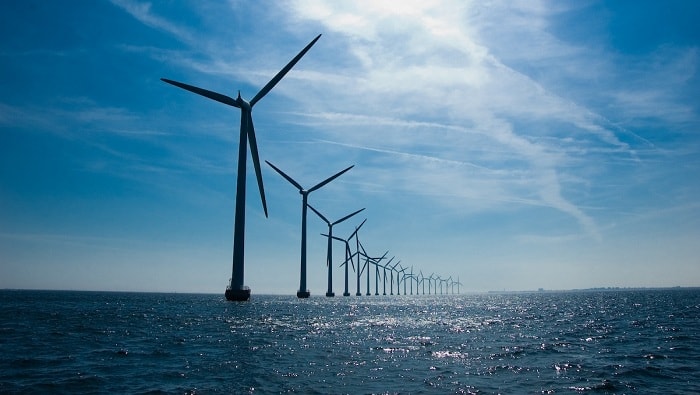
The commitment to domestic industry is also evident, with more than AUD 257 million worth of Australian steel expected to be utilized across the various CIS Tender 7 projects. This focus on local sourcing is intended to support and strengthen Australia’s manufacturing sector and its associated supply chains. Among the most significant developments announced are the Yanco Delta Wind Farm in New South Wales, a substantial 1,498 MW project by Origin Energy, and two major Queensland wind farms- the 1,150 MW Bungaban Wind Energy Project by Windlab and the 1,022 MW Theodore Wind Farm by Theodore Energy Development.
Other notable hybrid renewable projects include ACEN Australia’s Birriwa Solar project, which will feature 600 MW of solar capacity paired with 2,400 MWh of battery storage, and Lightsource BP’s Gundary Hybrid Facility, a 320 MW development that includes 1,391 MWh of energy storage. These projects underscore the increasing trend towards integrated renewable energy solutions.
Australia’s Minister for Climate Change and Energy, Chris Bowen, emphasized the role of the Capacity Investment Scheme in delivering a more affordable, cleaner, and reliable energy supply for Australians. He stated that the CIS Tender 7 projects are instrumental in reducing power prices, enhancing grid stability, and accelerating emissions reductions through the integration of renewable energy with robust storage systems. The success of the Capacity Investment Scheme, as highlighted by Assistant Minister for Climate Change and Energy Josh Wilson, demonstrates strong investor confidence in Australia’s transition to renewable energy. He further noted that these new developments will support the ongoing growth of renewable energy as traditional coal and gas generation capacity gradually declines.
Looking ahead, the Australian Government confirmed that Tender 9 under the CIS will open for bids on 25 May 2026, aiming to secure an additional 5 GW of renewable generation capacity. This upcoming tender will feature a specific allocation for projects that commit to providing at least 5% equity or revenue-sharing agreements with First Nations communities, further solidifying the government’s commitment to inclusive development.