


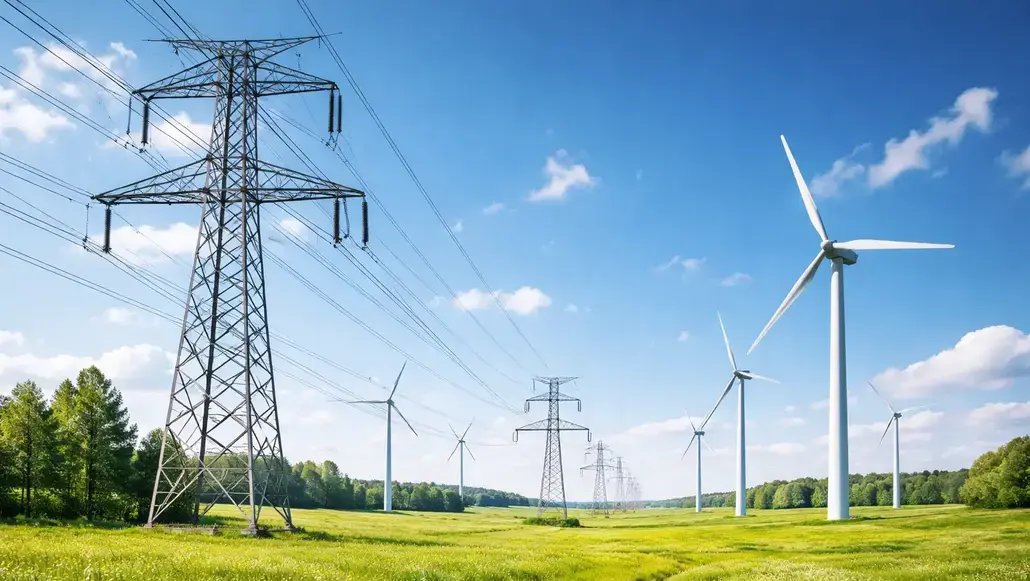
The second Union list of Projects of Common Interest (PCIs) and Projects of Mutual Interest (PMIs) was officially released in the Official Journal of the European Union on 9th April 2026, setting out 235 selected initiatives aimed at advancing cross-border projects in energy infrastructure. This updated list is designed to enhance connectivity across Europe’s energy systems and move the region closer to completing the Energy Union. The new framework will take effect in 20 days, at which point it will replace the 1st Union List of PCIs and PMIs. By prioritising cross-border projects, the initiative underscores the importance of coordinated infrastructure planning across national boundaries.
Projects included in the list will gain access to simplified permit-granting procedures and regulatory assistance, while also becoming eligible for EU funding through the Connecting Europe Facility (CEF). The upcoming funding cycle is set to begin with the Commission’s 2026 CEF call at the end of April 2026, with application submissions closing at the end of September 2026. These funding mechanisms are expected to accelerate the execution of cross-border projects, ensuring that critical infrastructure developments proceed without unnecessary administrative delays.
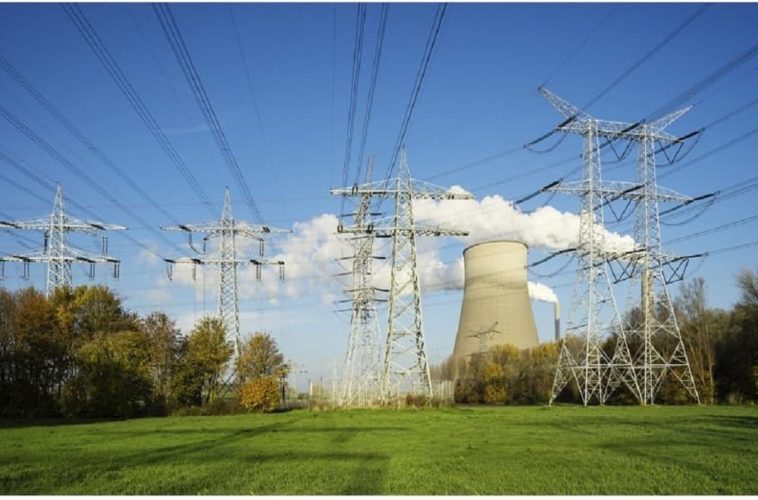
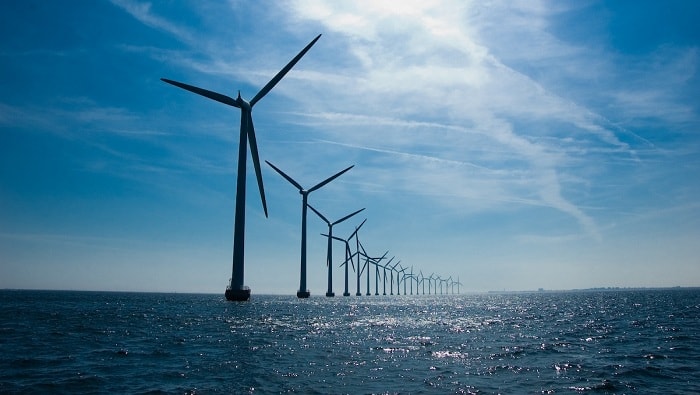
A significant share of the selected projects, 113 out of 235, focuses on electricity, offshore development, and smart grid systems, all of which are essential for integrating renewable energy sources into the European grid. Additionally, the list includes 100 hydrogen and electrolyser initiatives, alongside 3 smart gas grid projects, aimed at decarbonising industry and transport while reducing reliance on natural gas imports. The inclusion of 17 CO2 network projects further aligns with EU ambitions to establish a carbon capture and storage market. Together, these cross-border projects are positioned to play a central role in reshaping Europe’s energy landscape.
Implementation will be supported by the European Commission through enhanced political coordination with Member States, leveraging regional High-Level Groups and the Energy Union Task Force. The initiative complements broader frameworks such as the European Grids Package and the Energy Highways Initiative, which collectively aim to address infrastructure bottlenecks and strengthen system resilience. Since 2014, the Connecting Europe Facility (CEF-Energy) has allocated €8.7 billion to key projects, including the Baltic synchronisation, a major milestone in integrating the Baltic states into the EU energy system. Looking ahead, the Commission has proposed increasing the CEF Energy budget from €5.84 billion to €29.91 billion under the 2028-2034 Multi-annual Financial Framework.