





















In the evolving landscape of global energy production, the drive toward higher operational efficiency has moved from a financial preference to a critical necessity. As the world transitions toward a lower carbon future, the existing fleet of thermal power plants must undergo a rigorous transformation to remain both economically viable and environmentally compliant. Thermal efficiency optimization stands at the core of this transformation, offering a sophisticated pathway to maximize output while minimizing the consumption of resources and the production of unwanted byproducts. PowerGen Advancement highlights that this process involves a holistic approach to the energy conversion cycle, integrating thermodynamics with cutting edge digital monitoring and mechanical precision.
The Fundamentals of Heat Rate Reduction
The primary metric of success in any thermal facility is the heat rate, which represents the amount of fuel energy required to produce one kilowatt-hour of electricity. Improving this metric is the essence of performance management. When a facility achieves thermal efficiency optimization, it essentially reduces its heat rate, meaning it can generate the same amount of power with less fuel. This reduction has a direct impact on the bottom line, especially in markets where fuel prices are volatile. However, achieving significant gains requires looking beyond simple maintenance and moving toward deeper system analysis.
Modern facilities are now employing advanced thermodynamic modeling to identify where energy losses occur. These losses often manifest as waste heat in the condenser, friction in the turbine blades, or inefficient combustion in the furnace. By mapping these losses with precision, engineers can prioritize interventions that offer the highest return on investment. For instance, addressing minor leaks in the high pressure steam system can yield disproportionate improvements in the overall cycle efficiency.
Precision Combustion Control Systems
At the heart of any thermal plant is the combustion process. Ensuring that fuel is burned as completely and efficiently as possible is a fundamental pillar of thermal efficiency optimization. Traditional control systems often rely on fixed parameters that do not account for variations in fuel quality or ambient conditions. In contrast, modern combustion control systems utilize real time sensors to monitor flue gas composition, temperature profiles, and flame stability.
By adjusting the air-to-fuel ratio dynamically, these systems ensure that the energy content of the fuel is fully harvested. This not only improves efficiency but also reduces the formation of nitrogen oxides and other pollutants. Advanced sensors can detect incomplete combustion markers before they become problematic, allowing for micro-adjustments that maintain the plant at its sweet spot of performance regardless of external variables.
Integration of Intelligent Monitoring Tools
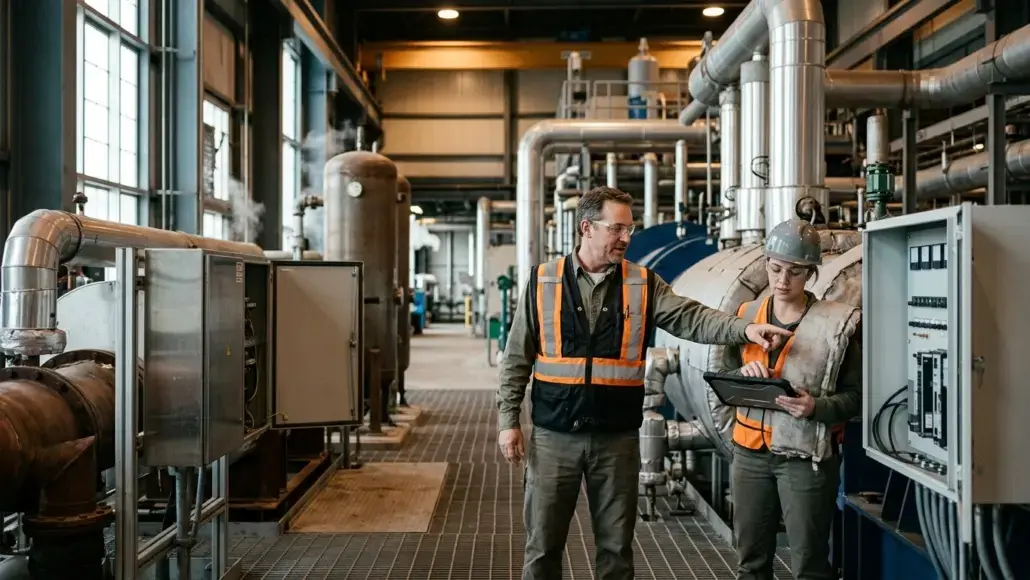
The shift from reactive to proactive management is facilitated by the integration of intelligent monitoring tools. These tools collect millions of data points across the facility, from the feedwater pumps to the generator bearings. When this data is processed through sophisticated algorithms, it reveals patterns that are invisible to the human eye. Thermal efficiency optimization in the 2020s is as much about data science as it is about mechanical engineering.
These monitoring systems can predict when a component is beginning to deviate from its design performance. For example, a slight increase in condenser backpressure might indicate fouling in the cooling tubes. By identifying this early, operators can schedule cleaning before the efficiency loss becomes significant. This level of granular control is what differentiates a modern, optimized facility from a traditional one.
Advanced Materials and Turbine Technology
Mechanical upgrades remain a powerful lever for efficiency gains. The development of new alloys and ceramic matrix composites has allowed for higher operating temperatures in gas and steam turbines. According to thermodynamics, higher peak temperatures in a cycle lead to higher theoretical efficiency. By retrofitting older turbines with these advanced materials, plants can push their operational boundaries safely.
Turbine blade design has also seen significant advancements. Using computational fluid dynamics, engineers can design blade profiles that minimize aerodynamic losses and better capture the kinetic energy of the steam or gas flow. These improvements, while seemingly small at the component level, aggregate to provide a substantial boost to the overall Thermal efficiency optimization efforts of the entire plant.
The Role of Digital Twins in Simulation
A digital twin is a virtual representation of the physical plant that mirrors its behavior in real time. This technology allows operators to test what-if scenarios without risking actual hardware. For example, if an operator wants to see the impact of changing the feedwater temperature on the overall cycle, they can simulate it on the twin first. This capability is invaluable for thermal efficiency optimization, as it allows for the fine-tuning of operational strategies in a risk-free environment.
Furthermore, the digital twin can be used for operator training, ensuring that the human element of plant management is as optimized as the mechanical and digital elements. An informed operator who understands the subtle interactions within the thermal cycle can make better decisions during load transitions or atypical weather events, further safeguarding the plant’s efficiency profile.
Optimizing the Cooling Cycle and Condenser Performance
While much attention is paid to the furnace and the turbine, the cold end of the plant is equally critical. The condenser is where the cycle’s waste heat is rejected, and its performance determines the turbine’s backpressure. Lower backpressure allows the steam to expand further, extracting more work. Therefore, maintaining peak condenser performance is a vital component of thermal efficiency optimization.
Innovations in water treatment and cooling tower design have made it easier to maintain clean heat exchange surfaces. Additionally, the use of variable speed drives on cooling water pumps allows the plant to adjust cooling capacity based on ambient temperatures and plant load. This prevents the unnecessary consumption of auxiliary power, ensuring that the net efficiency of the facility remains high even during off-peak hours.
Sustainable Operational Practices and Maintenance
Efficiency is not a set and forget metric; it is a moving target that requires constant vigilance. Sustainable operational practices involve a commitment to rigorous maintenance schedules and the use of high quality consumables. Even the best designed system will see its performance degrade if air preheaters are allowed to clog or if insulation is not maintained.
Thermal efficiency optimization thrives in a culture of continuous improvement. This means empowering staff to identify efficiency leaks and rewarding innovations that lead to measurable heat rate improvements. When the entire workforce is aligned with the goal of performance excellence, the cumulative impact on the facility’s lifespan and profitability is profound.
Conclusion
The journey toward thermal efficiency optimization is a multifaceted endeavor that combines the best of traditional engineering with the latest in digital innovation. By focusing on heat rate reduction, advanced materials, and intelligent monitoring, modern power plants can achieve levels of performance that were previously thought impossible. PowerGen Advancement believes that as the energy sector continues to evolve, those facilities that prioritize optimization will be best positioned to lead the way in providing reliable, efficient, and sustainable power to the world.