







Korea Southern Power (KOSPO) has announced its comprehensive mid and long-term road map for renewable energy investment, aiming to deploy a substantial 11.2 gigawatts (GW) of capacity by the year 2040. This strategic initiative places a significant emphasis on the development of solar power and offshore wind energy sources. The company shared these ambitious plans during an investor briefing held at the Korea Chamber of Commerce and Industry in Seoul.
The event convened a diverse group of stakeholders from the renewable energy sector, including domestic and international financial institutions, project developers, and equipment suppliers. KOSPO outlined its intention to incrementally add 3.4 GW of renewable energy capacity within the next five years, projecting a total expansion to 11.2 GW renewable energy by 2040. This forward-looking KOSPO renewable energy strategy underscores a commitment to sustainable energy growth.
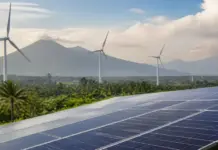
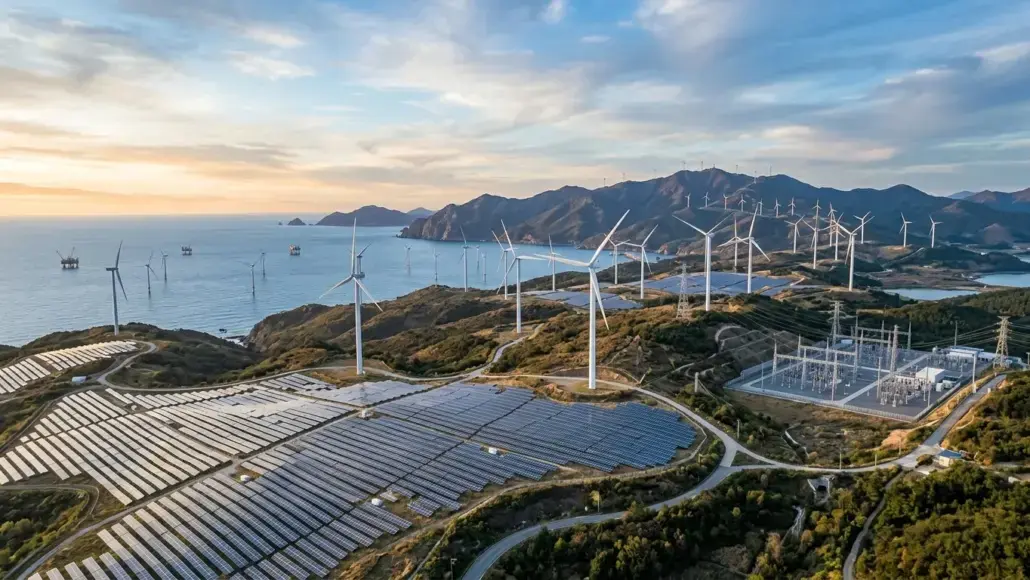
The initial phase of investment will target solar power projects. KOSPO plans to leverage idle land at existing power plant sites and areas affected by saltwater damage on farmland for solar installations. Furthermore, the company intends to assume a leading shareholder role in publicly initiated offshore wind projects.
Korea Southern Power highlighted its established presence in the renewable energy landscape. This includes the successful installation of 115 domestically manufactured wind turbines, a leading position in battery energy storage systems (ESS), and advancements in floating solar projects. The company has also been actively involved in demonstration work for next-generation building-integrated photovoltaics.
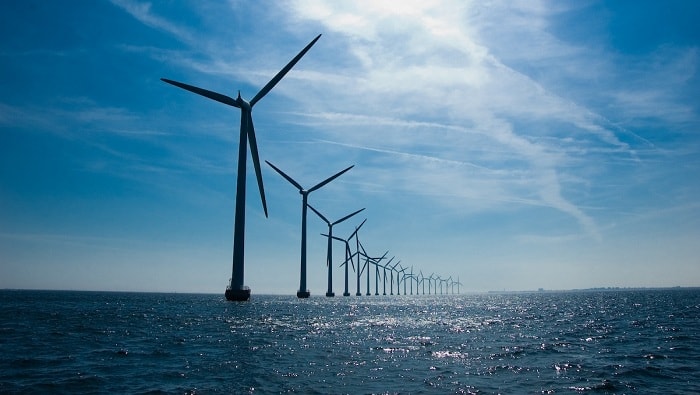
In the realm of offshore wind, KOSPO plans a phased expansion, beginning with 200-megawatt pilot projects in Yeonggwang’s Yawol area and Busan’s Dadaepo area. The company is committed to ensuring a high operational efficiency, targeting a 97% operating rate. Development of floating offshore wind power on the east coast is slated for completion by 2030. KOSPO also aims for the early integration of individually permitted offshore wind projects into designated development zones under the Special Act on Offshore Wind Power.
Further strengthening its renewable energy portfolio under the 11.2 GW renewable energy, KOSPO is scheduled to commence construction on two onshore wind farms, Yukbaeksan and Gangneung, in 2027. The company will also undertake timely repowering initiatives for aging wind farms, including Hankyong, Taebaek, and Changjuk, to enhance their efficiency and output.
KOSPO is actively engaging with the Ministry of Climate, Energy and Environment and local communities to advance large-scale solar projects on salt-damaged farmland in regions such as Jangheung. To bolster the renewable energy industry ecosystem, KOSPO has formalized collaborations through memorandums of understanding with 11 partner institutions across five key areas: financial institutions, project developers, and technology companies.
Specific agreements include a project financing arrangement with KB Kookmin Bank and other financial entities, an investment advisory partnership with Koramco and Alpha Asset Management, and an equipment supply contract with Doosan Enerbility for the Yeonggwang Yawol and Busan Dadaepo offshore wind projects. Additionally, a solar technology demonstration agreement has been established with the Korea Institute of Materials Science and Solis Jangheung. KOSPO has also partnered with Bright Energy Partners to jointly participate in the central contract market for energy storage systems, a crucial component of the renewable energy infrastructure.
“Korea Southern Power is taking the lead in renewable energy projects aligned with the government’s decarbonization policy, from solar power and offshore wind to battery energy storage systems,” President Kim Jun-dong said, highlighting the plans for 11.2 GW renewable energy.