

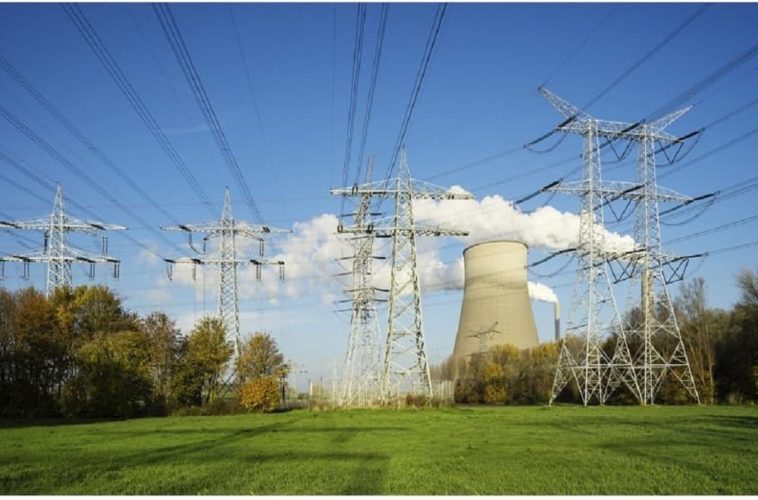
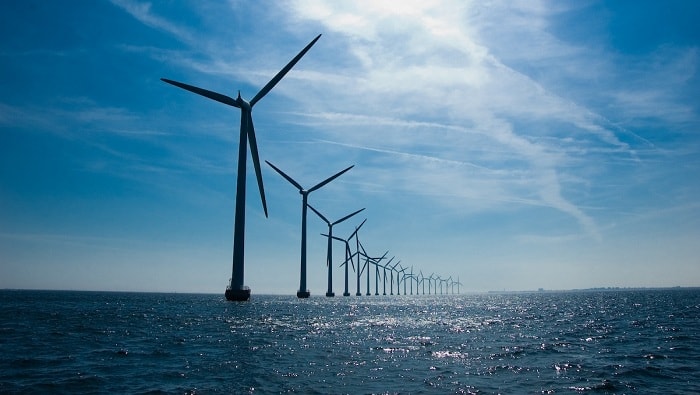



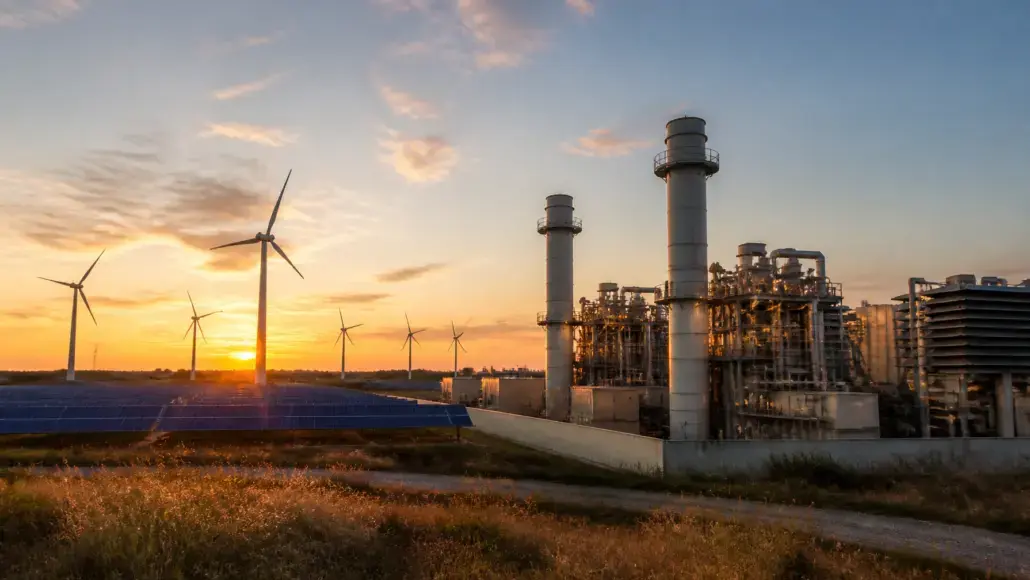
The global journey toward a sustainable energy future is fundamentally a race between the rapid deployment of variable renewable energy and the development of the infrastructure needed to manage its intermittency. As wind and solar power continue to grow at record-breaking speeds, the challenges of maintaining a stable, reliable, and resilient electrical grid are becoming increasingly apparent. Unlike traditional coal or nuclear plants that provide a steady baseload of power, renewables are dependent on the whims of the weather. To bridge the gap when the wind doesn’t blow and the sun doesn’t shine, the energy system requires a new kind of partner. Today, flexible power generation supports renewable energy expansion by providing the fast-acting, high-response backup power that is essential for a high-renewable grid, ensuring that the lights stay on even as we transition away from fossil fuels.
The Essential Role of Flexibility in a High-Renewable Grid
The primary reason why flexible power generation supports renewable energy expansion is the inherent duck curve of renewable generation—a phenomenon where the surge of solar power during the day leads to a massive drop in the net load on the grid, followed by a sharp ramp-up in demand as the sun sets. Traditional thermal power plants are often too slow and inflexible to respond to these rapid changes in demand and supply. They take hours or even days to start up or shut down, making them poorly suited for a modern grid dominated by variables. PowerGen Advancement notes that flexible power generation, such as gas-fired peaking plants, hydro power, and advanced internal combustion engines, can ramp up to full capacity in minutes, providing the immediate power needed to smooth out these fluctuations.
Furthermore, flexible power generation supports renewable energy expansion by providing ancillary services that are vital for grid stability. This includes frequency regulation, where the generator adjusts its output in milliseconds to keep the grid at a constant frequency, and voltage support. As more inverter-based resources like wind and solar are added to the grid, the system loses the inertia traditionally provided by the massive rotating masses of steam turbines. Flexible power assets can be designed to provide synthetic inertia, helping to stabilize the grid and prevent blackouts during sudden disturbances. This technical support is the hidden foundation that allows for the safe and reliable integration of high levels of renewable energy.
Balancing the Intermittency of Wind and Solar
The core challenge of the energy transition is balancing the short-term and long-term intermittency of renewables. While batteries are increasingly being used for short-term storage (minutes to hours), they are not yet economical for managing prolonged periods of low renewable output. This is where flexible power generation supports renewable energy expansion by acting as a reliable bridge. During a dunkelflaute, a period of several days or weeks with low wind and low solar radiation, flexible power plants can be called upon to provide the bulk of the grid’s electricity, ensuring that the energy system remains robust and resilient regardless of the weather.
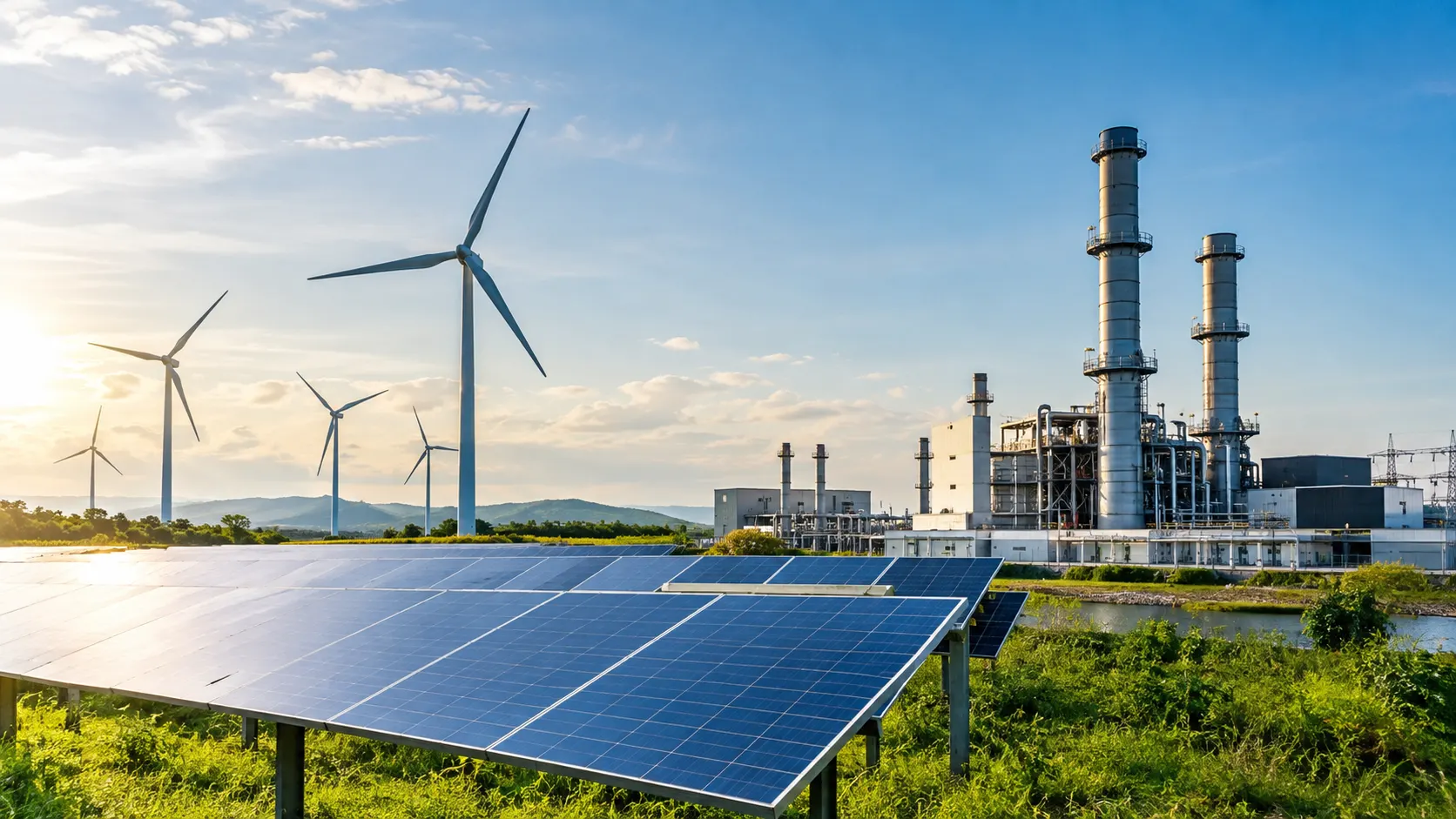
The strategic deployment of these flexible assets allows for a more ambitious rollout of renewable capacity. Without the security of flexible backup, grid operators would be forced to limit the amount of wind and solar they connect to avoid the risk of widespread outages. By providing a reliable safety net, flexible power generation supports renewable energy expansion by increasing the hosting capacity of the grid. This synergy between variable renewables and flexible backup is what makes the vision of a carbon-free energy system technically and operationally feasible.
Moving Toward Zero-Emission Flexibility
A common critique of flexible power generation is that much of it currently relies on natural gas, which is a fossil fuel. However, the future of flexibility is also becoming green. Flexible power generation supports renewable energy expansion through the transition to low-carbon fuels such as hydrogen and sustainable biofuels. Modern gas turbines and internal combustion engines are being designed as fuel-flexible, meaning they can run on a blend of natural gas and hydrogen today and transition to 100% green hydrogen in the future as it becomes more widely available.
Furthermore, carbon capture and storage (CCS) technology is being integrated into flexible power plants to eliminate their remaining emissions. By combining flexible generation with low-carbon fuels and carbon management, the energy system can achieve the dual goals of sustainability and reliability. In this new paradigm, flexible power generation supports renewable energy expansion not by competing with wind and solar, but by providing the zero-emission firm power that is needed to complement them. This move toward clean flexibility is a top priority for technology developers and energy policymakers who recognize that a 100% renewable grid requires a diverse and responsive energy mix.
The Role of Decentralized Flexibility and Virtual Power Plants
The concept of flexibility is also expanding beyond large-scale power plants. Decentralized resources—such as residential batteries, electric vehicles (V2G), and flexible industrial loads—are being aggregated into Virtual Power Plants (VPPs). These VPPs act as a single, large-scale flexible asset that can be controlled by a grid operator. Flexible power generation supports renewable energy expansion by integrating these small-scale resources into the broader energy ecosystem. By utilizing the flexibility already present in the behind-the-meter infrastructure, we can reduce the need for new, large-scale peaking plants and make the grid more efficient and democratic.
Digitalization is the key to unlocking this decentralized flexibility. AI and blockchain technology allow for the real-time coordination of millions of small devices, ensuring that they respond to grid needs without inconveniencing the end-user. For example, an AI system can slightly adjust the timing of an industrial refrigeration unit or the charging of an electric bus to help balance the grid. This demand-side flexibility is a vital component of how flexible power generation supports renewable energy expansion, providing a cost-effective and scalable way to manage the complexities of a modern, decarbonized grid.
Economic and Strategic Imperatives for the Energy Transition
From an economic perspective, the investment in flexible power generation is a strategic necessity. A grid that is unstable or prone to blackouts is incredibly costly for businesses and consumers. Flexible power generation supports renewable energy expansion by lowering the system integration costs of renewables. While the per-unit cost of flexible power (LCOE) might be higher than that of wind or solar, its value to the grid is much higher because it is available whenever it is needed. Modern energy markets are evolving to recognize this value through capacity markets and flexibility payments, ensuring that these vital assets remain financially viable.
Strategically, the development of a flexible energy system enhances national energy security. By diversifying the sources of flexibility—including hydrogen, hydro, demand response, and flexible generation—countries can reduce their dependence on any single technology or fuel source. This resilience is a critical factor in a world where energy systems are increasingly vulnerable to cyberattacks and extreme weather events. Flexible power generation supports renewable energy expansion by creating a more agile and adaptable grid that can recover quickly from disturbances and maintain a steady supply of clean power to the population.
Overcoming Challenges in Policy and Market Design
Despite its importance, the rollout of flexible power generation faces significant hurdles. Current market designs in many regions still prioritize baseload generation and do not properly reward the rapid response capabilities of flexible assets. To address this, policymakers must implement reforms that create clear price signals for flexibility. This includes the development of real-time electricity markets and the removal of subsidies for inflexible, high-carbon generators. Flexible power generation supports renewable energy expansion only when the regulatory and financial environment is aligned with the technical needs of a high-renewable grid.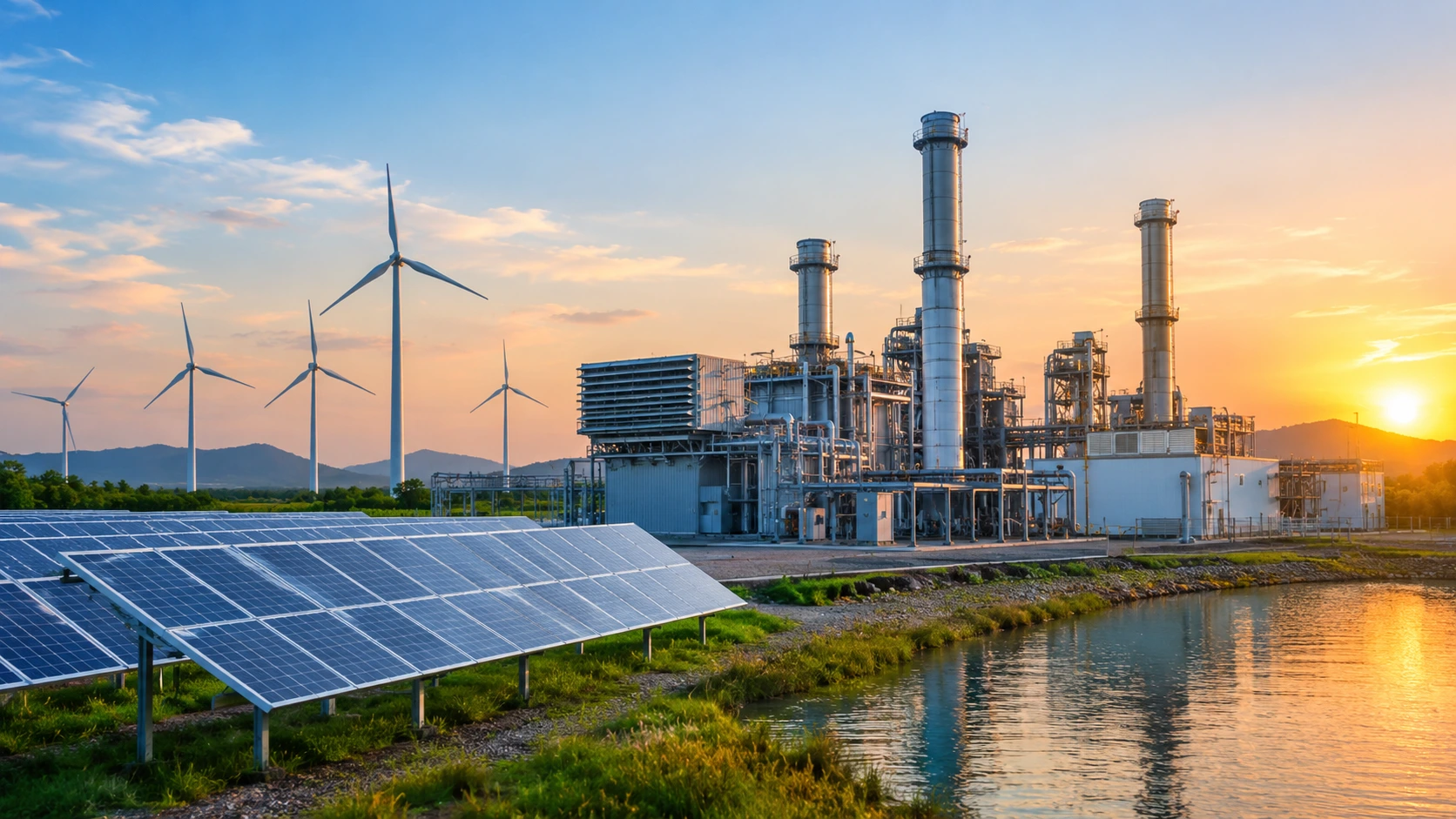 Furthermore, there is the challenge of public perception. Many stakeholders view any combustion-based generation as a step backward. It is essential to communicate the strategic role of clean, flexible generation as an enabler of renewables. By proving that these assets can run on green fuels and act in perfect harmony with wind and solar, the industry can build the social license needed for their deployment. Flexible power generation supports renewable energy expansion as the silent partner in the clean energy revolution, providing the reliability that makes the transition possible.
The Backbone of a Sustainable Future
In conclusion, the expansion of renewable energy is one of the greatest achievements of the modern era, but it is not a complete solution on its own. The variability of wind and solar requires a responsive, resilient, and flexible partner to ensure the stability of the global energy system. Flexible power generation supports renewable energy expansion by providing the fast-acting backup, grid-stabilizing services, and long-duration security that are essential for a sustainable future.
The transition from fossil-fuel-based baseload to clean, flexible generation is the next major phase of the energy transition. PowerGen Advancement believes that by embracing a diverse mix of flexible assets, from hydrogen-ready turbines to decentralized virtual power plants, we can build a grid that is both green and reliable. Flexible power generation supports renewable energy expansion as the foundational backbone of a new, sustainable energy paradigm, ensuring that our clean energy future is built on a solid ground of reliability and resilience for all. The lights of a carbon-free world will stay on, not despite our reliance on renewables, but because of the intelligent and flexible system we have built to support them.