





Egyptian leadership and Russian nuclear officials have held substantive discussions to review the ongoing development of the nation’s flagship nuclear power plant and to explore expanded cooperation in advanced reactor technologies. The meeting between Egyptian Electricity and Renewable Energy Minister Mahmoud Esmat and Rosatom Director General Alexey Likhachev took place in Nizhny Novgorod.
Progress on Egypt Nuclear Energy Project
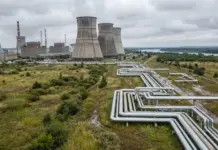
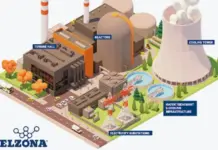
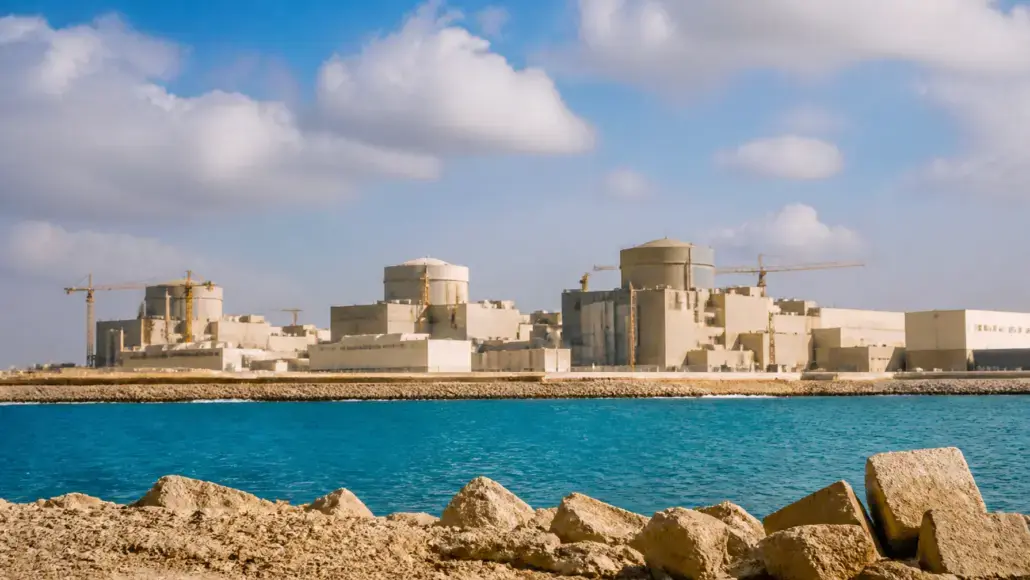
The primary focus of the discussions centered on the Dabaa nuclear power plant project, Egypt’s transformational initiative to strengthen its power generation capacity and energy independence. During the talks, officials reviewed construction schedules, evaluated coordination mechanisms between Egyptian and Russian teams, and assessed compliance with international safety protocols and quality benchmarks at the facility site.
Esmat characterized the Dabaa nuclear power plant as integral to Egypt’s long-term energy strategy, emphasizing its role in creating a more balanced and sustainable energy portfolio. The minister noted that tangible progress continues on the nuclear energy project, with oversight mechanisms in place to ensure smooth implementation alongside Rosatom and other relevant Egyptian institutions.
Expanding Bilateral Cooperation Beyond Dabaa
Beyond the immediate focus on the Dabaa nuclear power plant construction, the meetings explored broader dimensions of nuclear cooperation between the two nations. A significant component of these discussions involved human capital development and knowledge transfer initiatives designed to build Egyptian expertise in nuclear facility operations and management.
The minister highlighted the importance of training Egyptian personnel to operate and maintain nuclear facilities according to international standards. This capacity-building effort forms an essential complement to the physical development of the Egypt nuclear power plant, ensuring that local expertise grows alongside infrastructure expansion.
Advanced Reactor Technologies and Future Applications
A separate meeting addressed emerging developments in small modular reactor (SMR) technologies, reflecting both nations’ interest in next-generation nuclear solutions. Officials examined the latest innovations in reactor design and manufacturing, including potential applications for electricity generation, industrial processes, and regions with limited electricity demand.
Esmat said Egypt was closely monitoring global advancements in SMR technologies and assessing their potential future deployment as part of efforts to diversify the country’s energy mix and broaden the peaceful use of nuclear technology. The assessment considers technical and economic feasibility alongside nuclear safety requirements.
Reaffirmed International Commitments
Likhachev confirmed their organization’s continued dedication to the successful implementation of the Egypt nuclear power plant project. Officials pledged to maintain collaboration with Egyptian counterparts to ensure the facility moves forward according to established timelines while meeting the highest international standards for nuclear safety and construction quality.