





















Mozambique and Malawi are approaching a transformative moment in regional electricity cooperation. The cross-border power interconnector linking the two nations has entered its concluding testing phase, with commercial operations anticipated in the near term. This development marks an important step in strengthening energy infrastructure and regional power integration across Southern Africa.
Project Infrastructure and Technical Configuration
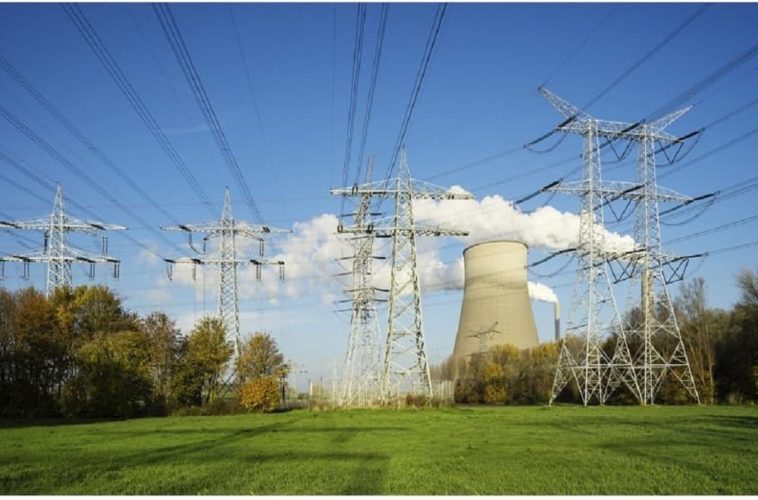
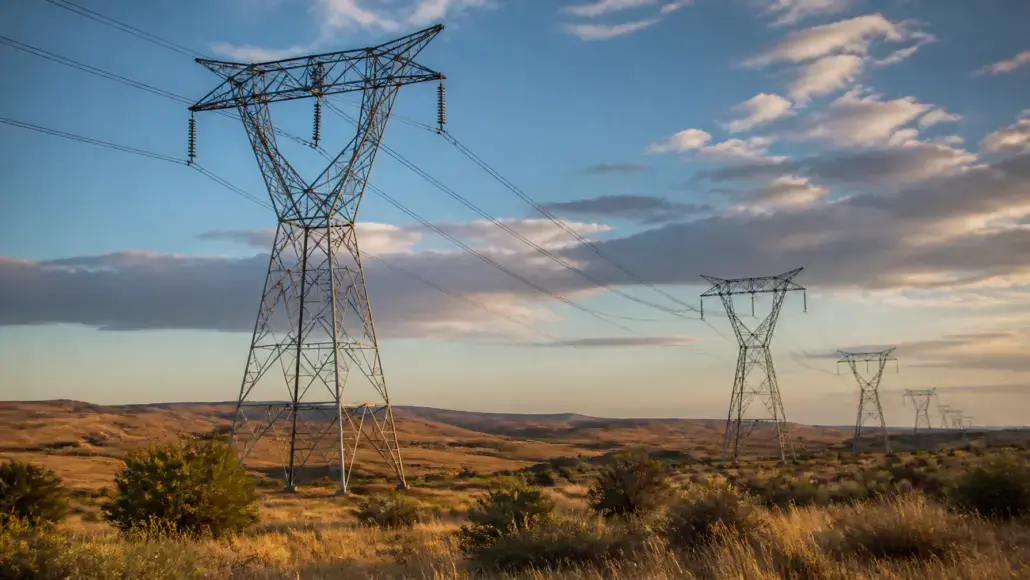
The power interconnector comprises a 218-kilometer high-voltage transmission line operating at 400 kilovolts. The infrastructure extends from the Matambo substation located in Mozambique’s Tete Province to the Phombeya substation in Malawi’s Balaka District.
Electricidade de Moçambique (EDM) has confirmed that the transmission infrastructure has been energized and subjected to initial system stress testing protocols. These assessments evaluate the stability and operational reliability of the system before it transitions to commercial service.
Strategic Significance for Malawi’s Electricity System
The power interconnector holds particular importance for Malawi’s energy landscape. The nation has traditionally operated as an isolated electricity system, which presents distinct operational challenges.
Malawi’s electricity generation relies substantially on hydropower resources from the Shire River, creating vulnerability to drought conditions and climate-related disruptions. Seasonal variations directly impact power availability, constraining the country’s ability to maintain consistent electricity supply during periods of low water flow.
The interconnector addresses these constraints by establishing a direct connection to Mozambique’s electricity grid. This link enables Malawi to access regional electricity resources and positions the country to participate in the Southern African Power Pool (SAPP). Through SAPP membership, Malawi gains entry to organized regional electricity trading mechanisms, facilitating power imports during domestic shortage periods and reducing systemic pressure on the national grid.
Import Capacity and Future Export Potential
Electricity flow projections outline a phased approach to regional power trade.
Initially, Malawi is expected to import approximately 50 megawatts of electricity from Mozambique. As domestic electricity demand expands, import capacity could scale to as much as 200 megawatts, providing additional flexibility to the national electricity system.
The power interconnector also creates a framework for Malawi to export electricity in future periods. When additional domestic generation capacity becomes operational, the country will possess the infrastructure to actively participate in regional electricity trading arrangements, converting the interconnector from a unidirectional import conduit into a bidirectional platform for regional power exchange.
Investment, Development Impact, and Timeline
The project represents a substantial infrastructure investment with international development partnership.
The power interconnector carries an estimated investment value of $88 million and has received financial and technical support from international development institutions, including the World Bank.
The infrastructure initiative is positioned to strengthen electricity security, deepen bilateral cooperation between Mozambique and Malawi while supporting the broader regional energy integration across Southern Africa.