




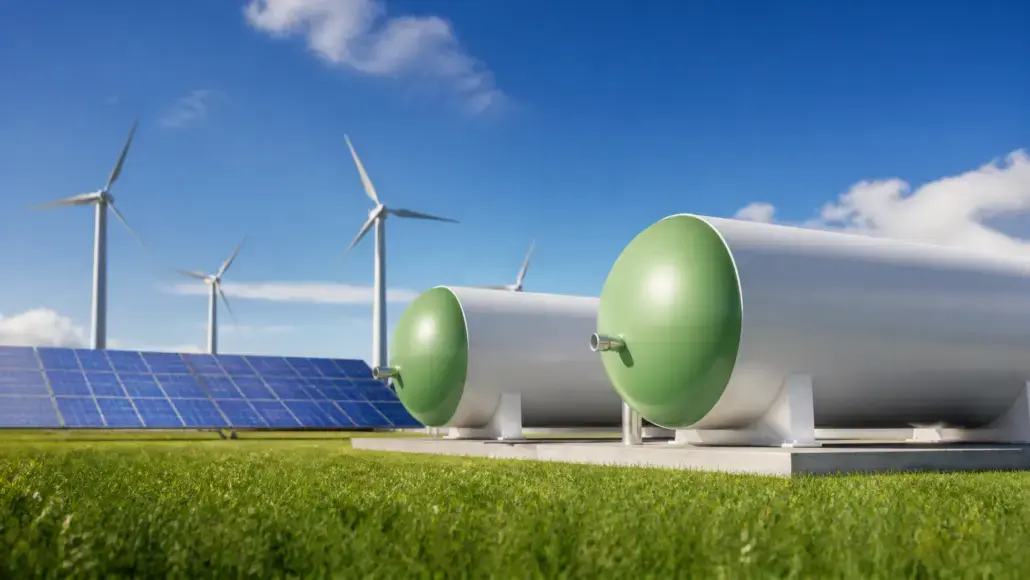
The global imperative to decarbonize the industrial and energy sectors has brought the concept of green hydrogen production to the forefront of international climate policy. As the world seeks to move beyond the limitations of electrification for hard-to-abate sectors, the ability to produce hydrogen at scale using renewable energy has become a central focus for governments, corporations, and international organizations alike. The transition toward a sustainable energy future depends heavily on the successful implementation of global green hydrogen production strategies that can bridge the gap between small-scale pilot projects and the massive industrial demand required to achieve net-zero targets. This scaling process is not merely a technical challenge but a multi-faceted endeavor that involves regulatory innovation, financial engineering, and the rapid deployment of advanced electrolyser technology across diverse geographical regions.
At the core of these global strategies is the recognition that hydrogen acts as a versatile energy carrier, capable of storing renewable power and transporting it across great distances. Unlike fossil-fuel-based hydrogen, which relies on carbon-intensive processes like steam methane reforming, green hydrogen is produced through electrolysis powered by wind, solar, or hydroelectric energy. This makes it a truly zero-emission fuel, provided that the entire lifecycle of production is managed effectively. The challenge, however, lies in the current cost disparity between green hydrogen and its grey or blue counterparts. Overcoming this economic hurdle requires a coordinated global effort to scale production, drive down costs, and establish the market mechanisms necessary for hydrogen to compete on a level playing field.
Policy Frameworks and International Cooperation in Hydrogen Scaling
PowerGen Advancement highlights that the implementation of successful strategies for global green hydrogen production is heavily dependent on the creation of supportive policy frameworks. Governments around the world are increasingly using subsidies, tax credits, and mandates to stimulate investment in hydrogen infrastructure. In North America, the introduction of production tax credits has fundamentally changed the financial landscape for hydrogen developers, making large-scale projects economically viable for the first time. Similarly, the European Union has established the European Hydrogen Bank to facilitate auctions for hydrogen production, providing a predictable revenue stream for producers and helping to de-risk investments in new technologies. These policies are designed to create a virtuous cycle of investment, where increased deployment leads to lower costs, which in turn attracts more capital to the sector.
International cooperation also plays a vital role in the scaling of green hydrogen. Given that renewable energy resources are not evenly distributed across the globe, the creation of international hydrogen trade corridors is essential. Countries with abundant solar and wind resources, such as Chile, Australia, and Namibia, are positioning themselves as major exporters of clean energy, while industrial hubs in Europe and East Asia are preparing to become large-scale importers. The development of global standards for green hydrogen certification is a critical part of this strategy, ensuring that the environmental benefits of hydrogen are verified and recognized across borders. By harmonizing regulations and technical standards, the international community can foster a truly global hydrogen market that enables the efficient allocation of resources and accelerates the energy transition.
Technological Innovation and Electrolyser Deployment Strategies
The physical scaling of production requires the massive deployment of electrolyser systems, which are the fundamental building blocks of the green hydrogen economy. Current strategies focus on moving away from laboratory-scale experiments toward multi-hundred-megawatt and even gigawatt-scale installations. This transition necessitates a shift in how electrolysers are manufactured and integrated into the energy system. Manufacturers are increasingly adopting modular designs that can be pre-assembled and shipped to project sites, reducing the time and cost associated with on-site construction. This modularity also allows for easier scaling, as additional units can be added as demand grows or as more renewable capacity becomes available.
Innovation in electrolyser technology is another key component of global green hydrogen production strategies. While alkaline and PEM electrolysers are currently the workhorses of the industry, research into next-generation technologies like Solid Oxide Electrolysers and Anion Exchange Membranes continues to promise higher efficiencies and lower costs. Furthermore, the integration of digital technologies, such as digital twins and AI-driven optimization, is helping to improve the performance and reliability of production facilities. By monitoring real-time data on energy inputs, temperature, and pressure, operators can optimize the electrolyser’s duty cycle to match the availability of renewable energy, maximizing production while minimizing wear and tear on the equipment.
Financing the Hydrogen Economy and Managing Investment Risks
One of the most significant barriers to scaling green hydrogen is the sheer volume of capital required to build the necessary production and transport infrastructure. Traditional project finance models are often challenged by the long timelines and perceived risks associated with new technologies. To address this, a new generation of financial instruments is emerging, including green bonds, sustainability-linked loans, and government-backed guarantees. These instruments are designed to attract a broader range of investors, from pension funds to private equity firms, by providing a clearer pathway to returns and mitigating some of the initial technological and market risks.
The role of offtake agreements is also crucial in the scaling process. For a hydrogen project to be bankable, the developer must typically demonstrate that there is a guaranteed buyer for the hydrogen produced. Strategies to secure these agreements involve targeting industrial sectors with high-intensity energy needs, such as steel manufacturing and ammonia production, where hydrogen can be directly used as a feedstock or fuel. By creating demand clusters around major industrial centers, producers can reduce the costs and risks associated with transporting hydrogen over long distances. This approach, often referred to as the hydrogen hub model, is a central feature of production strategies in many major economies, including the United States, China, and the United Kingdom.
Supply Chain Resilience and Material Sourcing for Global Scaling
As the demand for electrolysers and other hydrogen components surges, the resilience of the global supply chain has become a primary strategic concern. The production of high-performance electrolysers requires a range of critical materials, including rare earth elements and noble metals like iridium and platinum. Strategies to ensure a stable supply of these materials include diversifying sourcing locations, investing in domestic mining and processing capacity, and fostering innovations in material substitution and recycling. By reducing the reliance on a small number of suppliers, the hydrogen industry can protect itself from geopolitical tensions and supply shocks that could derail the scaling process.
In addition to material sourcing, the development of a localized supply chain for balance-of-plant components—such as compressors, storage tanks, and power electronics—is essential for reducing costs and improving project timelines. Many countries are now implementing local content requirements for hydrogen projects, encouraging manufacturers to establish facilities within their borders. This not only supports domestic economic growth but also reduces the logistical challenges and carbon footprint associated with shipping large, heavy components across oceans. A robust and localized supply chain is a key pillar of long-term sustainability for the global green hydrogen production ecosystem.
Strategic Integration with the Wider Energy System
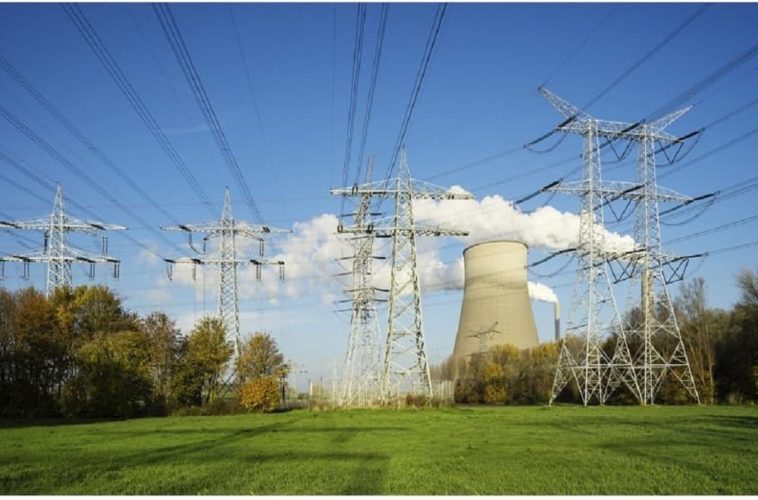
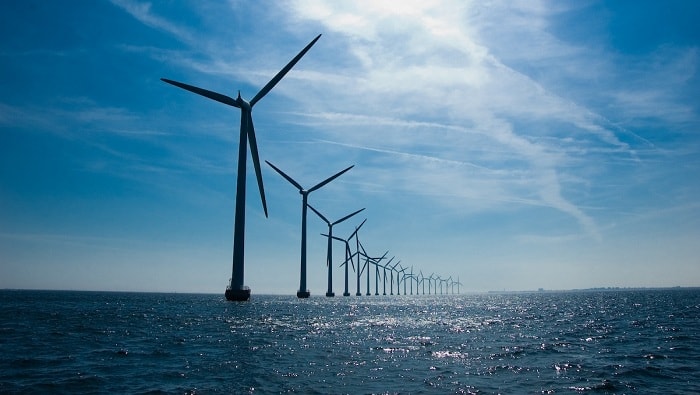
For green hydrogen to fulfill its role in the energy transition, its production must be strategically integrated with the wider power grid and renewable energy infrastructure. This involves more than just connecting electrolysers to wind farms; it requires a sophisticated approach to grid management and energy storage. Green hydrogen production can provide a valuable balancing service to the grid, absorbing excess renewable energy during periods of high generation and low demand. This helps to prevent the curtailment of wind and solar power, improving the overall efficiency and economics of the renewable energy system.
The concept of sector coupling is central to this integration. By using hydrogen to link the electricity, heating, and transport sectors, energy systems can become more resilient and flexible. For example, hydrogen produced from surplus wind power can be injected into the natural gas grid for heating, or used to power heavy-duty trucks and buses. These cross-sector applications provide multiple pathways for hydrogen to decarbonize the economy, making the scaling of production more robust against fluctuations in any single market. The strategic use of hydrogen as a bridge between different energy domains is one of the most powerful tools available for achieving deep decarbonization.
Addressing the Infrastructure Gap in Hydrogen Distribution
Even as production capacity scales, the lack of dedicated hydrogen transport and storage infrastructure remains a significant bottleneck. Strategies to address this gap include the repurposing of existing natural gas pipelines for hydrogen transport and the development of new, high-pressure hydrogen networks. Repurposing existing assets is often more cost-effective and faster than building new pipelines, but it requires careful technical assessment to manage the risks of hydrogen embrittlement. In regions where pipelines are not feasible, the use of hydrogen carriers like ammonia or liquid organic hydrogen carriers (LOHCs) provides an alternative for long-distance transport via sea.
Storage is another critical component of the infrastructure strategy. Large-scale storage in salt caverns or depleted gas fields is being explored as a way to manage the seasonal variability of renewable energy. By storing hydrogen during the summer months when solar production is high, and releasing it during the winter when demand for heating peaks, energy systems can maintain stability throughout the year. The development of these storage facilities is a key part of the hub and spoke model, where central production and storage sites supply a network of smaller users across a region.
The Human Dimension: Workforce Development and Public Engagement
The successful scaling of global green hydrogen production also requires a significant focus on the human dimension of the energy transition. This involves the development of a skilled workforce capable of designing, building, and operating the next generation of hydrogen facilities. Educational institutions and vocational training centers are already beginning to adapt their curricula to include hydrogen-specific modules, ensuring that the next generation of engineers and technicians is prepared for the challenges of this new industry. Workforce development programs are particularly important in regions that are transitioning away from coal or oil production, providing new opportunities for workers in the clean energy sector.
Public engagement and social acceptance are equally vital. The construction of new hydrogen facilities and pipelines often requires the support of local communities. Strategies to build this support include transparent communication about the benefits and risks of hydrogen, the creation of local jobs, and the involvement of community members in the planning process. By ensuring that the benefits of the hydrogen economy are shared broadly, and by addressing concerns about safety and land use, developers can build the social license needed to scale production rapidly.
Long-term Outlook for the Global Hydrogen Economy
As we look toward 2030 and beyond, the trajectory of global green hydrogen production will be defined by the continued interplay between technological breakthroughs, policy evolution, and market maturity. The goal is to move from the current early adopter phase to a fully mature industry where hydrogen is a commodity as widely traded and understood as oil or natural gas. This will require the continuous refinement of production strategies to adapt to new challenges, such as water scarcity in arid regions or the impact of climate change on renewable energy patterns.
The scaling of green hydrogen is not just about meeting climate goals. It is about building a more resilient and equitable global energy system. PowerGen Advancement believes that by providing a zero-carbon alternative for industrial processes and heavy transport, green hydrogen enables a path to net-zero that is both technically feasible and economically sustainable. The strategies being implemented today are the foundation for a future where clean energy is abundant, accessible, and integrated across all sectors of the economy. Through innovation, cooperation, and a steadfast commitment to sustainability, the vision of a global hydrogen economy is rapidly becoming an operational reality.