



The global energy landscape is currently witnessing a paradigm shift as the transition towards sustainable fuel sources accelerates, positioning green hydrogen electrolyser manufacturing at the very center of the decarbonization movement. This industrial expansion is not merely a response to climate mandates but represents a fundamental reimagining of how we produce and consume energy across the globe. As nations strive to meet stringent emissions targets, the ability to generate hydrogen from renewable sources has moved from a niche technological experiment to a critical pillar of industrial policy. The rapid scaling of manufacturing capacity for these complex systems is now the primary determinant of how quickly we can transition away from fossil fuel dependency in sectors that have traditionally been difficult to electrify, such as heavy manufacturing, long-haul shipping, and chemical production.
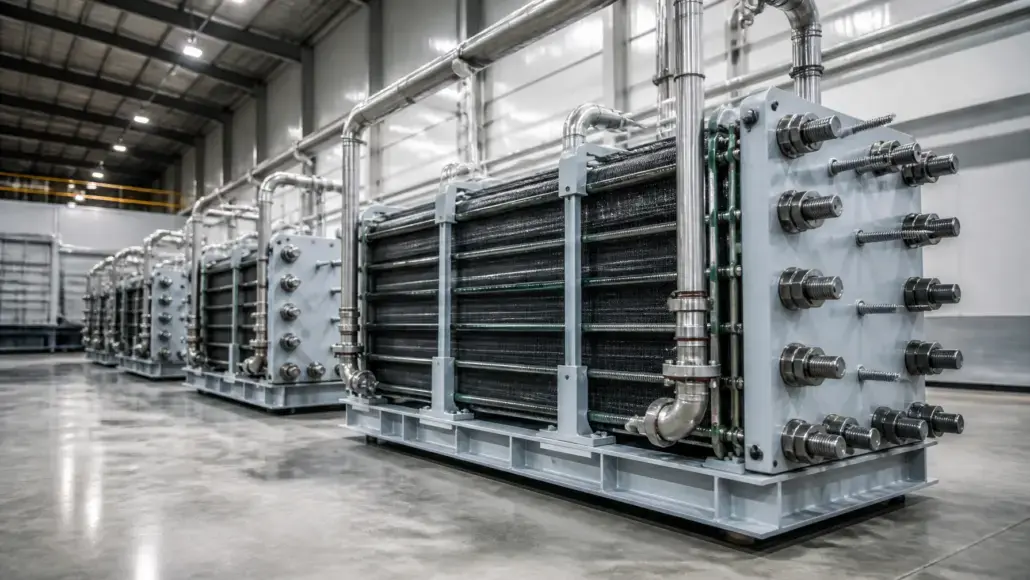
For decades, hydrogen was primarily a byproduct of fossil fuel processing, but the advent of high-efficiency electrolyser technology has changed the equation entirely. Today, the focus has shifted toward building the physical infrastructure necessary to support a massive increase in hydrogen production capacity. This requires a coordinated effort to scale up the assembly of electrolyser stacks, power electronics, and balance-of-plant components that can withstand the rigors of industrial-scale operation. The expansion we are seeing today is characterized by the emergence of gigafactories dedicated to electrolyser manufacturing, where automated production lines are beginning to replace manual assembly, significantly driving down the capital expenditure required for new projects.
The Scaling of Global Manufacturing Capacity and Industrial Strategy
PowerGen Advancement highlights that the rapid growth in electrolyser manufacturing capacity is a testament to the increasing confidence that investors and governments have in the hydrogen economy. In just a few short years, we have seen planned manufacturing pipelines grow from megawatts to gigawatts, with several key regions emerging as leaders in this new industrial race. China, Europe, and North America are currently engaged in a strategic competition to dominate the supply chain for electrolyser technology, recognizing that the first-movers will likely capture the lion’s share of the future market. This competition is driving innovation in production techniques and material science, as manufacturers seek to improve the durability and efficiency of their systems while reducing reliance on rare or expensive materials.
The implementation of robust green hydrogen electrolyser manufacturing strategies involves more than just building larger factories; it requires a deep understanding of the global supply chain and the ability to navigate complex regulatory environments. In the European Union, the Green Deal and various Important Projects of Common European Interest (IPCEI) have provided the financial bedrock for massive expansions. Meanwhile, in the United States, the Inflation Reduction Act has introduced significant tax credits that have effectively catalyzed a wave of new investment in domestic manufacturing. These policies are designed to ensure that the infrastructure for a clean energy future is built on a foundation of resilient, localized manufacturing bases that can provide high-quality jobs and energy security.
Evolution of Electrolyser Technology and Material Science
At the heart of this expansion lies the continuous evolution of electrolyser technology, which has split into several distinct pathways, each with its own set of advantages and challenges. Alkaline electrolysis, the most mature and cost-effective technology, remains a staple for many large-scale projects due to its proven track record and lack of reliance on noble metals. However, the rise of Proton Exchange Membrane (PEM) systems has introduced a higher degree of flexibility, allowing for better integration with the intermittent nature of renewable energy sources like wind and solar. PEM electrolysers can ramp up and down quickly, making them ideal for grid-balancing applications where hydrogen production acts as a form of long-duration energy storage.
Looking further ahead, Solid Oxide Electrolyser Cells (SOEC) and Anion Exchange Membrane (AEM) technologies are beginning to move from the laboratory to commercial pilot stages. SOEC systems operate at much higher temperatures, offering the potential for significantly higher efficiency when integrated with industrial waste heat or nuclear power plants. AEM technology aims to combine the best aspects of Alkaline and PEM systems, using low-cost materials while maintaining high performance and flexibility. The diversification of these technological pathways is a critical component of the broader expansion, as it allows developers to select the most appropriate system for their specific application, whether it be localized refueling stations or massive industrial hubs.
Addressing Supply Chain Resilience and Resource Scarcity
As green hydrogen electrolyser manufacturing scales to meet global demand, the resilience of the underlying supply chain has become a primary concern for industry leaders and policymakers alike. The production of PEM electrolysers, in particular, relies on platinum-group metals such as iridium and platinum, which are both rare and geographically concentrated. This has led to an intense focus on thrifting—the process of reducing the amount of precious metal required for each kilowatt of capacity—and the development of recycling programs to recover these materials at the end of an electrolyser’s life cycle. Ensuring a steady supply of these critical minerals is essential for maintaining the momentum of the manufacturing expansion and avoiding the bottlenecks that have plagued other clean energy sectors.
Furthermore, the expansion of manufacturing must be accompanied by the development of a skilled workforce capable of operating and maintaining these advanced systems. The shift from manual to automated manufacturing requires a new set of technical competencies, from precision engineering to advanced data analytics. Training programs and educational partnerships are being established in manufacturing hubs to ensure that the labor force can keep pace with the rapid technological changes occurring in the industry. By fostering a robust ecosystem of suppliers, manufacturers, and skilled workers, the hydrogen industry can build a sustainable foundation for long-term growth.
Economics of Scale and Achieving Cost Parity
The ultimate goal of expanding green hydrogen electrolyser manufacturing is to achieve cost parity with traditional hydrogen production methods, such as steam methane reforming (SMR). Currently, green hydrogen remains more expensive than its fossil-fuel-based counterparts, primarily due to the high cost of electrolyser systems and the price of renewable electricity. However, the lessons learned from the solar and wind industries suggest that massive increases in manufacturing volume will lead to significant cost reductions. As manufacturing processes become more efficient and supply chains mature, the capital cost of electrolysers is expected to drop by over 60% by the end of the decade.
This reduction in Capex is a vital driver for the wider adoption of hydrogen infrastructure. When combined with the falling costs of renewable energy and the increasing price of carbon emissions, the economic case for green hydrogen becomes increasingly compelling. Financial institutions are beginning to recognize this shift, with green bonds and sustainable financing packages becoming more common for large-scale electrolyser projects. The transition from pilot-scale demonstrations to multi-gigawatt installations is already underway, signaled by the announcement of massive hydrogen projects in regions with abundant renewable resources, such as the Middle East, Australia, and North Africa.
Strategic Integration with Renewable Energy Infrastructure
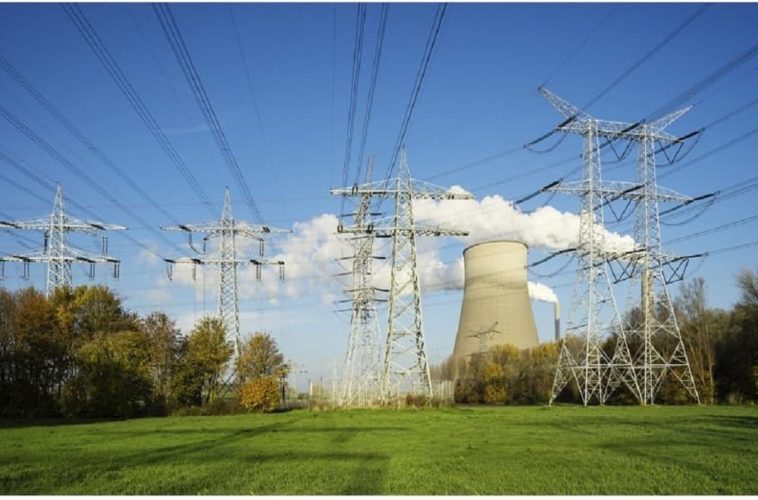
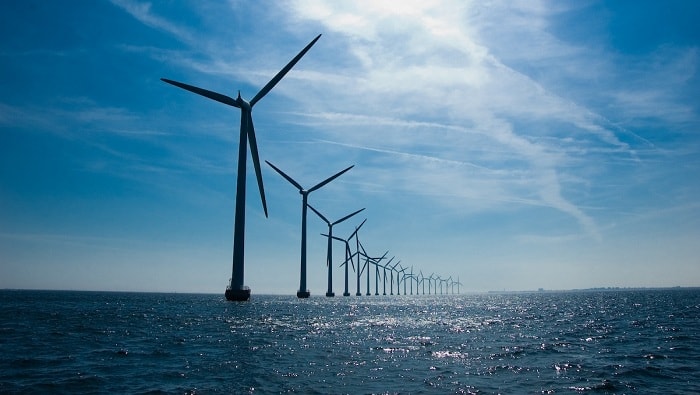
The expansion of electrolyser manufacturing is inextricably linked to the broader development of renewable energy infrastructure. For green hydrogen to be truly sustainable, it must be produced using electricity from zero-carbon sources. This necessitates a massive increase in the deployment of wind turbines and solar panels, along with the modernization of the electrical grid to handle the increased load. In many cases, electrolysers are being co-located with large-scale renewable projects, creating integrated energy hubs that can produce, store, and distribute clean energy with minimal transmission losses. This strategy not only improves the overall efficiency of the system but also provides a way to monetize surplus renewable power that would otherwise be curtailed.
The role of electrolyser technology in grid modernization cannot be overstated. By acting as a controllable load, electrolysers can help manage the variability of renewable energy, providing a valuable service to grid operators. When there is an excess of wind or solar power, electrolysers can be ramped up to produce hydrogen, which can then be stored or transported for later use. When renewable generation is low, the electrolysers can be turned off, reducing the strain on the grid. This flexibility makes electrolyser manufacturing a key component of a resilient and reliable clean energy system, capable of providing both fuel and stability to the modern economy.
Overcoming Technical Barriers in Hydrogen Infrastructure Development
While the manufacturing of electrolysers is scaling rapidly, the development of the supporting hydrogen infrastructure remains a significant challenge. Transporting and storing hydrogen requires specialized equipment, including high-pressure pipelines, cryogenic tanks, and refueling stations. The expansion of manufacturing must therefore include the production of these balance-of-plant components to ensure that the hydrogen produced can actually reach the end-user. This involves solving technical problems related to hydrogen embrittlement in pipelines and developing more efficient methods for liquefaction and compression.
Innovations in hydrogen transport, such as the use of Liquid Organic Hydrogen Carriers (LOHC) or ammonia as a medium for long-distance shipping, are also being explored. These technologies allow hydrogen to be moved using existing chemical tankers and infrastructure, significantly reducing the initial investment required for international trade. The scaling of electrolyser capacity at shipping ports and industrial zones is a key part of this global strategy, as it allows for the creation of hydrogen valleys where production and consumption are geographically concentrated. These hubs act as the testing grounds for new infrastructure technologies, providing the real-world data needed to scale the hydrogen economy globally.
Future Perspectives on the Terawatt-Scale Transition
Looking toward the middle of the century, the scale of green hydrogen electrolyser manufacturing will need to reach the terawatt level to meet the requirements of a net-zero world. This represents an unprecedented industrial mobilization, requiring the construction of hundreds of new manufacturing facilities and the continuous optimization of electrolyser technology. The path forward will be shaped by the interplay between technological innovation, policy support, and market dynamics. As the industry matures, we can expect to see a consolidation of manufacturers and a standardization of system designs, further driving down costs and improving reliability.
The expansion of this sector is not just an environmental necessity but a massive economic opportunity. Countries that lead in electrolyser manufacturing will be well-positioned to export their technology and expertise to the rest of the world, securing a leading role in the new energy economy. PowerGen Advancement believes that by investing in research and development today, and by fostering a supportive environment for manufacturing expansion, we can ensure that green hydrogen fulfills its potential as a versatile and sustainable fuel for a clean future. The journey from megawatts to terawatts is long and complex, but the foundation being laid by current manufacturing efforts is the key to unlocking a truly sustainable global energy system.
Through the strategic scaling of green hydrogen electrolyser manufacturing, we are building more than just machines; we are constructing the bedrock of a new industrial era. This expansion is the catalyst for a wider transformation of the global energy sector, enabling the decarbonization of our most essential industries and providing a pathway to a cleaner, more resilient world. As electrolyser technology continues to improve and capacity expands, the vision of a hydrogen-powered future is rapidly becoming a reality, driven by the innovation and dedication of the global manufacturing community.