





Iran and Armenia have taken a major step toward strengthening bilateral relations by agreeing on a comprehensive energy cooperation roadmap that covers electricity grid integration, hydroelectric development, and a broad revision of their long-standing gas-for-electricity trade mechanism. The energy cooperation roadmap was finalized during two senior-level meetings in Tehran involving Iran’s Ministers of Energy and Oil and Armenia’s Minister of Territorial Administration and Infrastructure, Davit Khudatyan.
The discussions reflected a broader effort by both countries to complete delayed infrastructure initiatives while also exploring Armenia’s potential role as a transit route for Iranian natural gas exports to wider international markets. Officials from both governments described the meetings as “highly constructive,” stressing their shared objective of transforming bilateral energy relations from a traditional barter arrangement into a broader and commercially stronger partnership.
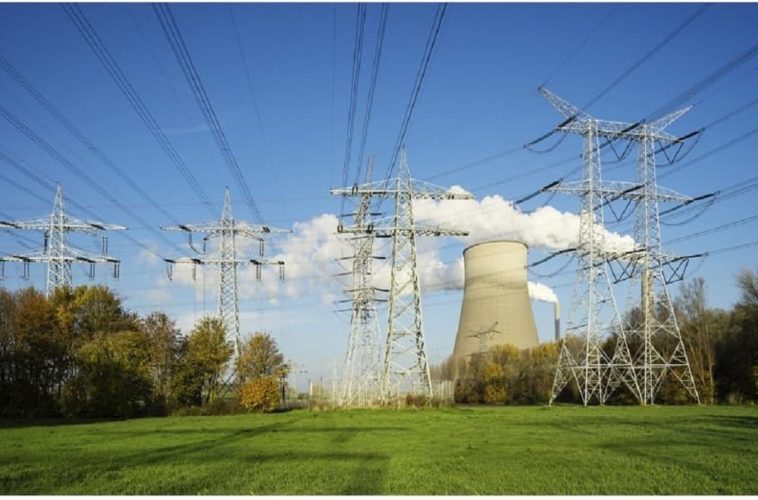
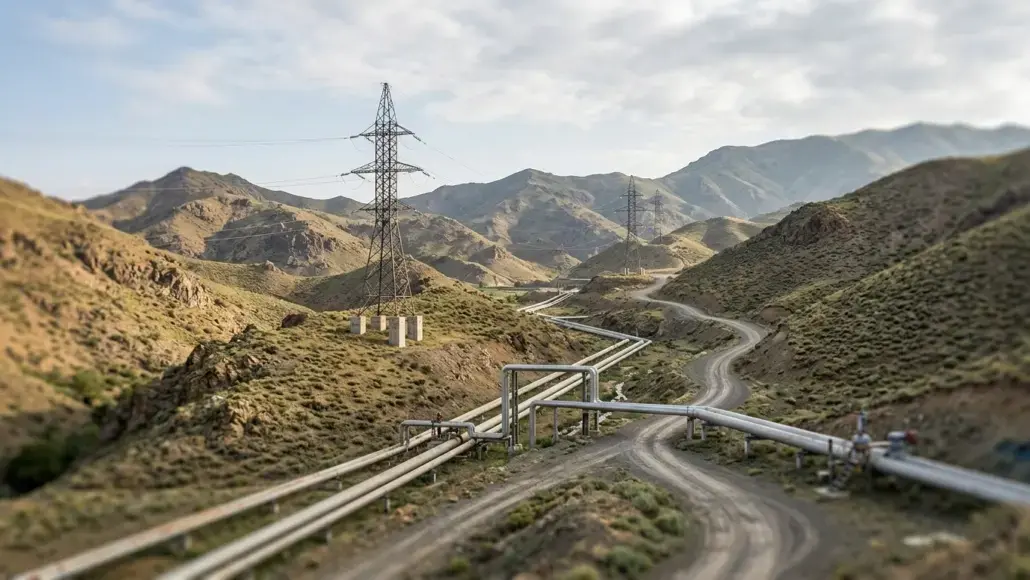
During the first meeting, Iran’s Minister of Energy, Abbas Aliabadi, and Minister Khudatyan reviewed the progress of joint electricity projects. According to reports from the Ministry of Energy, priority was placed on speeding up work on the third power transmission line, which has remained delayed for more than twelve years, along with advancing the wider Iran-Armenia-Georgia-Russia power corridor under the energy cooperation roadmap.
The planned 230 kV transmission line has experienced prolonged delays because of liquidity constraints affecting cabling activities. Both ministers emphasized the importance of securing the financial resources required to remove this obstacle and bring the line into operation. An Iranian contractor participating in the project also committed to completing transmission tower installations across sections 5 and 6 within the next month, indicating progress toward the project’s completion. The meeting also examined plans for the Meghri run-of-the-river hydroelectric power plant. Armenia welcomed the proposal, referring to earlier agreements while confirming its readiness to cooperate.
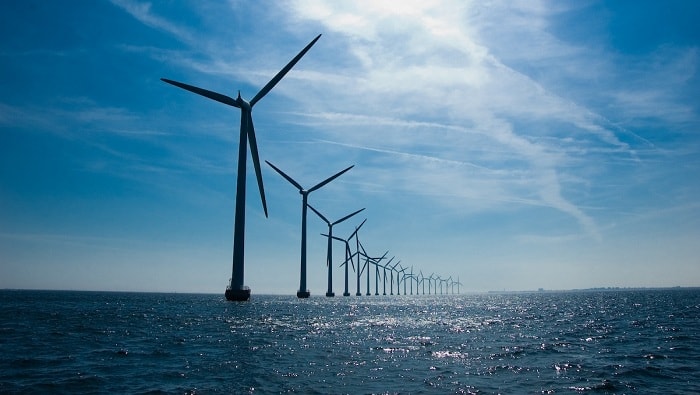
An Omani company has reportedly offered to finance and implement the Meghri project, which is expected to contribute approximately 200 megawatts of renewable generation capacity. Discussions also covered the Iran-Armenia-Georgia-Russia power corridor, where Minister Aliabadi said technical and economic studies have already demonstrated the feasibility of electricity exchanges. He added that Iranian companies are prepared to construct the Armenia-Georgia transmission line section, strengthening regional grid connectivity.
Minister Aliabadi described Armenia as “one of the main links” in this regional vision and noted that several countries are involved in planning the high-voltage connection. He also noted that Iran has added approximately 9,000 megawatts to its national power generation capacity during the past year, enhancing its ability to export electricity while meeting domestic demand.
Gas Trade Reforms and Joint Working Group Drive Future Collaboration
A separate meeting between Armenia’s Minister Davit Khudatyan and Iran’s Oil Minister, Mohsen Paknejad, focused on modernizing the existing gas-for-electricity barter arrangement that has long supported bilateral energy trade. Minister Paknejad described Armenia as “one of Iran’s important neighbors” and highlighted Tehran’s readiness to support its neighbor within the framework of its capabilities. He proposed replacing the traditional barter model with a new commercial framework that would enable Iranian natural gas exports through Armenian territory to reach third-party markets.
“The current model of cooperation is based on gas-for-electricity barter,” Paknejad explained.
“However, Iran’s clear proposal is to define a new commercial model for gas exports. Implementing this requires examining existing infrastructure and the possibility of expanding gas trade beyond Armenia’s market and through its territory,” he added.
He acknowledged that the proposal would require extensive technical and commercial studies, leading both sides to establish a joint specialized working group for the energy sector. The group will examine infrastructure capacity, evaluate commercial feasibility, and prepare the groundwork for implementation of the proposed model under the evolving energy cooperation roadmap.
The discussions also covered petroleum product trade, exports of technical and engineering services, and the possible construction of a refinery to serve Armenia’s domestic market. Khudatyan noted that Armenia already uses Iranian bitumen in road construction projects and expressed the country’s interest in expanding energy exchanges and strengthening bilateral cooperation “more than ever.” Paknejad proposed that the newly formed working group begin its activities as quickly as possible, with progress to be reviewed during the next ministerial meeting. Khudatyan agreed, stating that the two countries are “determined to expand bilateral cooperation across all relevant areas”. He confirmed that the working group would begin its operations “in the shortest possible time, covering all sectors overseen by the two ministries.
The ministers also reviewed the progress of the 400 kV transmission line under construction between the two countries. Khudatyan acknowledged that some challenges remain but said both governments are committed to resolving them through continued consultations. He expressed confidence that the project could be commissioned before the end of 2026. Minister Aliabadi concluded by describing these initiatives as a continuation of the long-standing historical and brotherly ties between Tehran and Yerevan.