




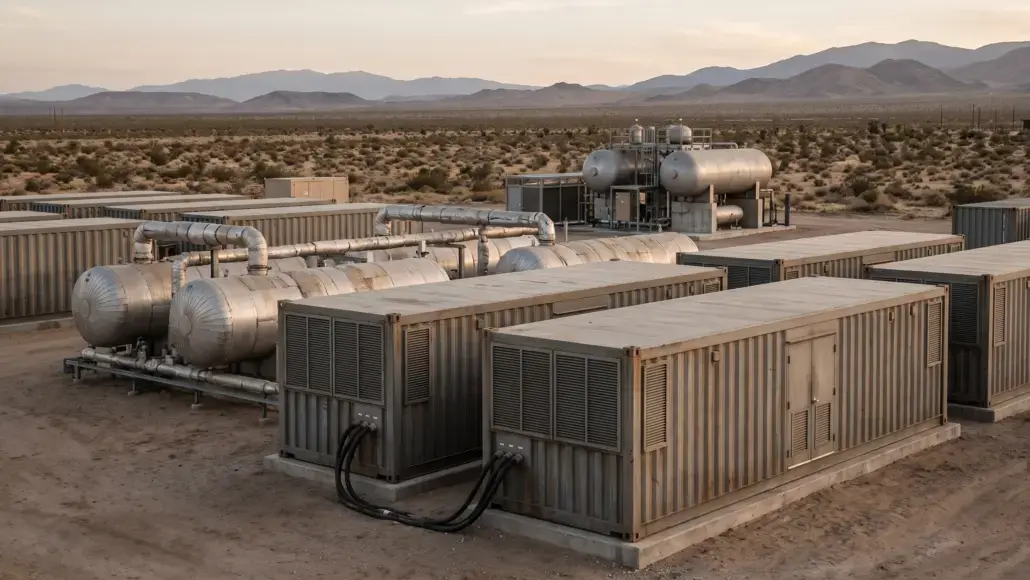
For decades, the narrative of the energy revolution has been inextricably linked to the rise of lithium-ion technology. From the smartphones in our pockets to the electric vehicles on our roads, lithium-based chemistries have provided the high energy density and decreasing costs necessary to kickstart a global shift away from fossil fuels. However, as the world moves toward a more mature phase of the energy transition, a fundamental realization is setting in among utility operators and energy planners: while lithium-ion is an exceptional sprinter for short-duration tasks, the global power grid requires a stable of endurance athletes. PowerGen Advancement notes that the quest for robust, reliable, and cost-effective grid-scale energy storage is now moving beyond the limitations of lithium-ion, ushering in a diverse wave of alternative technologies designed to handle the complexities of a 100% renewable future.
The inherent variability of wind and solar power creates a unique challenge for the modern power system. On a clear, windy afternoon, the grid may be flooded with excess energy that exceeds demand; conversely, during a calm night, the supply may drop to nearly zero. To maintain the delicate balance between supply and demand, grid-scale energy storage must act as a massive reservoir, absorbing the overflow and releasing it when the sun sets or the wind dies down. While lithium-ion batteries have successfully filled the gap for short-duration frequency regulation and four-hour peak shaving, they struggle to provide the long-duration energy storage needed to cover multi-day weather events or seasonal shifts. Furthermore, concerns regarding the supply chain of critical minerals like lithium, cobalt, and nickel, along with safety risks related to thermal runaway, have accelerated the search for battery innovation that can offer safer, more sustainable alternatives for utility storage.
The Rise of Flow Batteries
One of the most promising contenders for the next wave of infrastructure is the category of flow batteries. Unlike conventional batteries, where the energy is stored within the solid electrode materials, flow batteries store energy in liquid electrolytes kept in external tanks. These liquids are pumped through a central stack where a chemical reaction occurs to charge or discharge the system. The architectural brilliance of flow batteries lies in the decoupling of power and energy. If a utility needs more power, it increases the size of the electrode stack; if it needs more energy capacity—to move from four hours of storage to twelve or even twenty-four—it simply builds larger tanks and adds more electrolyte. This modular scalability makes them an ideal candidate for long-duration energy storage applications where lithium-ion’s costs would scale linearly and prohibitively.
The most mature version of this technology is the vanadium redox flow battery. Vanadium has a unique property: it can exist in four different oxidation states, allowing for a battery that uses the same element in both the positive and negative electrolytes. This eliminates the risk of cross-contamination that plagues other chemistries, leading to a lifespan that can exceed twenty years with virtually no degradation in capacity. While vanadium is currently expensive, the ability to recycle the electrolyte almost indefinitely provides a circular economy advantage that fits perfectly within the goals of the energy transition. Beyond vanadium, researchers are exploring iron-flow and organic-flow chemistries that utilize abundant, non-toxic materials to further drive down the capital expenditure required for massive utility storage deployments.
Thermal Energy Storage: Harnessing Heat
Parallel to the chemical advancements in liquid storage, thermal energy storage is emerging as a surprisingly simple yet effective solution for the grid’s long-term needs. The concept involves converting excess electricity into heat and storing it in inexpensive materials like molten salt, sand, or specialized ceramic bricks. When the energy is needed, the heat is used to generate steam that drives a turbine, much like a traditional power plant, or is used directly for industrial processes. The beauty of thermal systems is their ability to leverage existing power plant infrastructure and their inherent safety. Storing energy in a giant insulated vat of molten salt or a mountain of hot rocks does not carry the same fire risks as chemical batteries, and the materials involved are among the most abundant on Earth.
Innovation in thermal energy storage is also targeting the heat-to-heat and power-to-heat-to-power pathways. Some startups are developing firebrick systems that can be integrated directly into industrial sites, allowing factories to replace fossil fuel boilers with thermal batteries that charge when renewable energy is cheap and plentiful. This not only aids in renewable integration on the grid but also tackles the difficult-to-decarbonize industrial sector. By turning a massive heat sink into a flexible grid asset, thermal energy storage provides a bridge between the electricity sector and heavy industry, ensuring that the energy transition isn’t just about the wires overhead but also the heat used in our manufacturing centers.
Mechanical Marvels and Compressed Air
While heat and chemistry dominate much of the conversation, the physical world of mechanical storage is undergoing its own renaissance. Compressed air energy storage (CAES) has been around for decades, with major plants in Germany and Alabama proving the concept by pumping air into massive underground salt caverns. However, traditional CAES required natural gas to reheat the air as it expanded, which limited its decarbonization potential. The new wave of CAES technology focuses on adiabatic or isothermal processes that capture and store the heat generated during compression, then use that same heat to warm the air during expansion. This creates a zero-emission, high-capacity storage system that can provide tens or even hundreds of hours of discharge.
Beyond air, gravitational energy storage is capturing the imagination of engineers who see the potential in simple physics. These systems involve lifting heavy weights—such as concrete blocks, gravel, or even specialized water-filled containers—using excess renewable electricity. When demand spikes, the weights are lowered, and the gravitational energy is converted back into electricity through a generator. While these concepts are still in the early stages of commercial deployment, they offer a compelling vision for utility storage that is entirely mechanical, requires no rare-earth minerals, and has a mechanical life of thirty to fifty years. For regions without the specific geography required for traditional pumped hydro, these modular gravity systems could provide the reliable long-duration energy storage necessary to stabilize a volatile grid.
Integration and the Broader Energy Transition
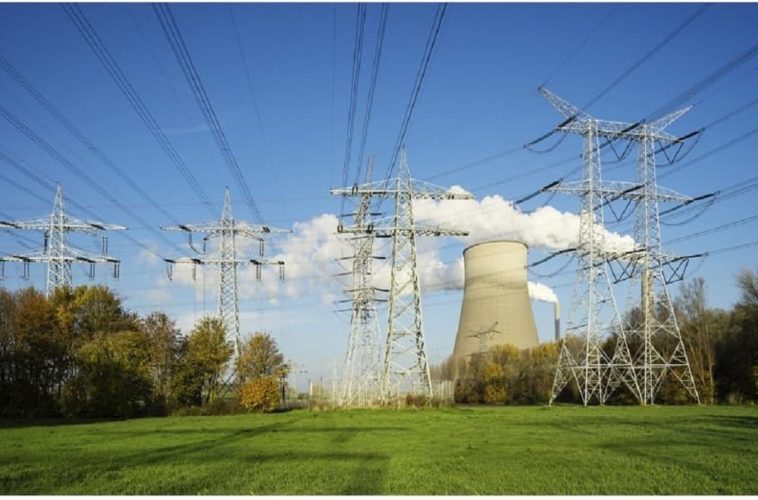
The integration of these diverse technologies into the existing grid architecture is a task of immense complexity. We are moving away from a centralized model where a few large power plants provide baseload power to a decentralized, distributed model where millions of solar panels and wind turbines are balanced by a buffering layer of storage. In this new paradigm, grid-scale energy storage is not just a backup; it is the fundamental stabilizer of the system. This requires sophisticated software and AI-driven management tools to decide in real-time which storage asset to call upon. A lithium-ion battery might respond to a millisecond frequency drop, while a flow battery handles the evening ramp, and a compressed air system prepares to bridge a three-day lull in wind production.
The economic landscape is also shifting to support this transition. Policy frameworks like the Inflation Reduction Act in the United States and the Green Deal in the European Union have introduced tax credits and subsidies specifically for energy storage projects. Crucially, many of these incentives now recognize the value of duration, providing higher support for technologies that can discharge for eight hours or more. This is a vital signal to the market, as it encourages investors to look beyond the immediate returns of short-term lithium-ion projects and toward the long-term infrastructure of the future grid. As more utility-scale projects come online, the economies of scale will likely drive down costs for flow batteries and thermal systems just as they did for solar panels and lithium-ion batteries over the last decade.
However, the path forward is not without hurdles. The energy industry is notoriously conservative, and grid operators are understandably hesitant to rely on unproven technologies for critical infrastructure. Moving from a pilot project to a gigawatt-hour scale installation requires a high level of confidence in the technology’s reliability, safety, and bankability. This is where the next five years will be critical. As the first wave of large-scale flow batteries and thermal storage systems begin to report operational data, the industry will gain the proof points needed to accelerate deployment. The goal is to create a portfolio of storage solutions where each technology plays to its strengths, ensuring that the grid is resilient, flexible, and entirely sustainable.
Ultimately, the move beyond lithium-ion is a sign of a maturing energy sector. We are recognizing that the transition to a carbon-free world cannot rely on a single silver bullet solution. Instead, the next wave of grid-scale energy storage will be characterized by a silver buckshot approach—a diverse array of technologies that leverage chemistry, thermodynamics, and physics to meet the grid’s every need. From the liquid electrolytes of flow batteries to the thermal mass of molten salt and the mechanical power of compressed air, these innovations are building the foundation for a global energy system that is as reliable as it is clean. PowerGen Advancement believes that the era of the short-term battery was just the beginning; the era of long-term, grid-scale resilience is now arriving, and it will be powered by the very elements and laws of nature that have always sustained us.