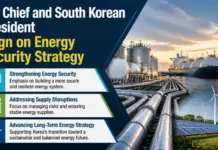















The Asian Development Bank (ADB) has officially approved a comprehensive policy framework designed to accelerate and strengthen its energy crisis response across Asia-Pacific countries. This update arrives as multiple economies throughout the region navigate mounting pressures stemming from global supply disruptions, volatile fuel pricing, and broader market uncertainty. By prioritizing energy security within its support systems, the institution seeks to assist developing nations in managing sudden shocks while preserving economic stability.
Updates to Countercyclical and Emergency Support
A primary component of this new policy framework involves revisions to the Countercyclical Support Facility. This mechanism is now tailored to provide targeted assistance to countries experiencing severe economic strain due to energy supply volatility, including unexpected import interruptions or sharp price hikes. Through this initiative, the ADB can expedite budget support, allowing governments to maintain essential public services and protect vulnerable populations during periods of high market stress.
Furthermore, the bank has expanded its Emergency Disaster Financing framework. Previously restricted to addressing infrastructure damage caused by natural disasters, the framework now encompasses energy-related emergencies that do not involve physical destruction. This allows for rapid funding disbursement when specific conditions are met, such as significant surges in fuel import costs or rising inflation directly linked to energy expenses.
Enhancing Assistance for Essential Services
The bank has also modified its Emergency Assistance Lending program to mitigate the impacts of energy instability on livelihoods and critical sectors. Before finalizing financial assistance, the ADB will execute rapid impact assessments to pinpoint the areas of greatest need.
The assessments will prioritize key infrastructure areas, including electricity grids, gas networks, public utilities, and transportation services, helping direct financial support to the sectors with the greatest needs.
These strategic updates to the policy framework reflect the critical role of energy security in maintaining long-term economic stability. The integration of these tools ensures that the Asia-Pacific energy crisis response remains both agile and effective, supporting sustainable development goals even amidst significant external pressures.