


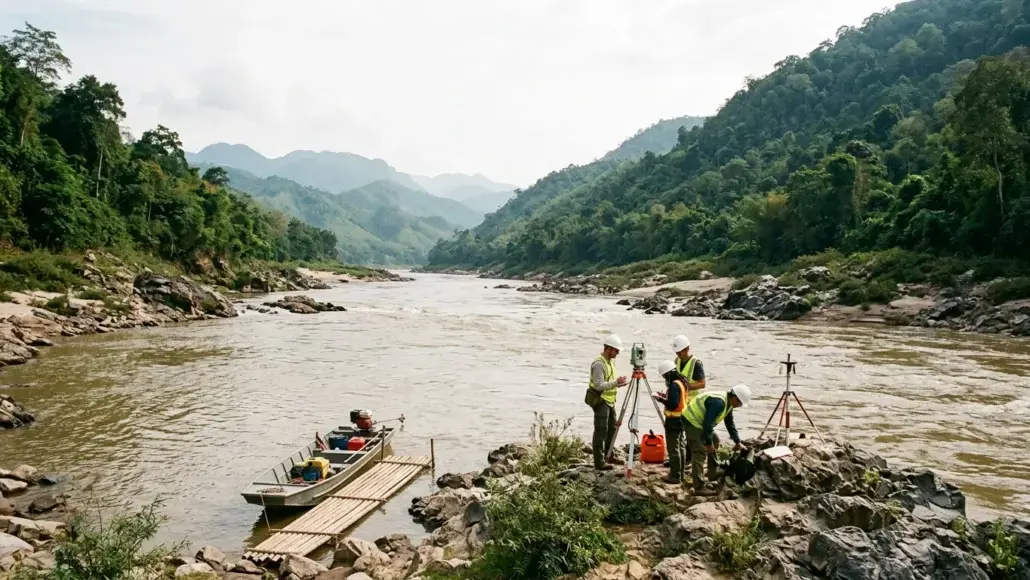
In a significant move to bolster renewable energy cooperation within Southeast Asia, companies from Laos and Myanmar have entered into a Joint Development Agreement. This partnership focuses on conducting a comprehensive feasibility study for a proposed Mekong Hydropower Project situated along the Mekong River border shared by the two nations.
Strategic Collaboration for Regional Energy Security
The Joint Development Agreement was signed by Phongsupthavy Sole Co., Ltd. of Laos and Primus Sapphire Power Co., Ltd. of Myanmar. This collaboration operates under an existing Memorandum of Understanding aimed at enhancing the electricity sector. The primary objective is to evaluate the technical and economic viability of a hydropower scheme with a projected generation capacity of approximately 2,790 megawatts. To ensure a thorough assessment, the feasibility study is slated for completion over a 34-month period, as confirmed by the Lao Ministry of Industry and Commerce.
Officials noted that the initiative is designed to address the rising regional electricity demand while supporting the expansion of cross-border infrastructure. By utilizing the natural flow of the Mekong River border, the project aims to provide a stable source of power that benefits local communities and the broader Greater Mekong Subregion.
Adherence to Regulatory and Environmental Standards
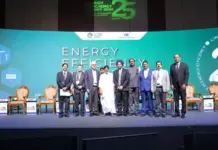
During the signing ceremony, Deputy Minister of Industry and Commerce Dr. Manothong Vongsay emphasized that the venture illustrates the deep friendship between the two countries. He stated that the Lao government is committed to supporting the project to ensure its timely implementation. Similarly, Myanmar’s Deputy Minister for Electricity and Energy, Aye Kyaw, highlighted that the Mekong Hydropower Project is a vital step toward achieving ASEAN’s renewable energy and power connectivity targets.
Given that the Mekong is a shared waterway, both nations have pledged that all development activities will strictly follow the laws, traditions, and procedures of both Laos and Myanmar. The project is expected to play a crucial role in meeting regional electricity demand and fostering long-term economic integration through enhanced cross-border infrastructure.