


The global pivot towards a sustainable energy future is undeniably underway, driven by an urgent need to mitigate climate change and establish energy independence. At the heart of this transformation lies the ambitious goal of a fully decarbonized power grid, predominantly fueled by renewable sources such as solar and wind. While the rapid deployment of these technologies has been commendable, their inherent intermittency presents a formidable challenge: how do we ensure a constant, reliable supply of electricity when the sun isn’t shining or the wind isn’t blowing? The answer, increasingly recognized as paramount, is long-duration energy storage (LDES) for round-the-clock clean power. This sophisticated form of energy infrastructure is not just an incremental improvement. It is the indispensable missing link required to transition from a grid occasionally powered by renewables to one perpetually sustained by them.
For years, the energy sector has grappled with the fundamental mismatch between renewable energy generation patterns and consumer demand. Solar power peaks at midday, while wind generation fluctuates unpredictably. To truly unlock the potential of these abundant resources and achieve round-the-clock clean power, we require robust energy storage solutions capable of holding vast amounts of energy for extended periods—not just for a few hours, but for days, weeks, or even seasonally. PowerGen Advancement notes that this imperative underscores the vital role of long-duration energy storage in building a resilient and sustainable energy future, ensuring that the promise of clean energy translates into tangible, uninterrupted power for homes, industries, and critical infrastructure.
Why Long-Duration Energy Storage Matters for Round-the-clock Clean Power
The intermittency of renewable energy sources has long been the primary technical hurdle in achieving a fully green electricity grid. Traditional grids rely on “dispatchable” power plants, predominantly fossil fuel-based, which can be ramped up or down almost instantly to match demand. As renewables gain greater penetration, this conventional balancing act becomes increasingly complex and costly. Short-duration battery energy storage systems, primarily lithium-ion batteries, have proven incredibly effective for managing hourly fluctuations, providing frequency regulation, and shifting solar output by a few hours. However, their cost-effectiveness diminishes significantly when storing energy for longer durations, typically beyond four to six hours. This limitation leaves a crucial gap in our ability to maintain grid reliability during prolonged periods of low renewable output, such as multi-day cloudy spells or extended wind droughts.
This is precisely where long-duration energy storage steps in as a game-changer for grid-scale energy storage. It offers the capacity to decouple energy generation from consumption over much longer timescales, enabling a clean power grid that can truly function independently of real-time weather conditions. By providing firm clean power, LDES facilitates greater solar and wind integration without compromising the stability or reliability of the electricity supply. It allows us to capture excess renewable energy during peak generation times and deploy it strategically during periods of high demand or low generation, thereby creating a truly flexible and robust sustainable energy infrastructure. Without this extended storage capability, achieving a high percentage of renewables on the grid would necessitate either constant reliance on fossil fuel backups or unacceptable compromises on power quality and availability.
The Nuance of Grid-Scale Energy Storage Beyond Lithium-Ion
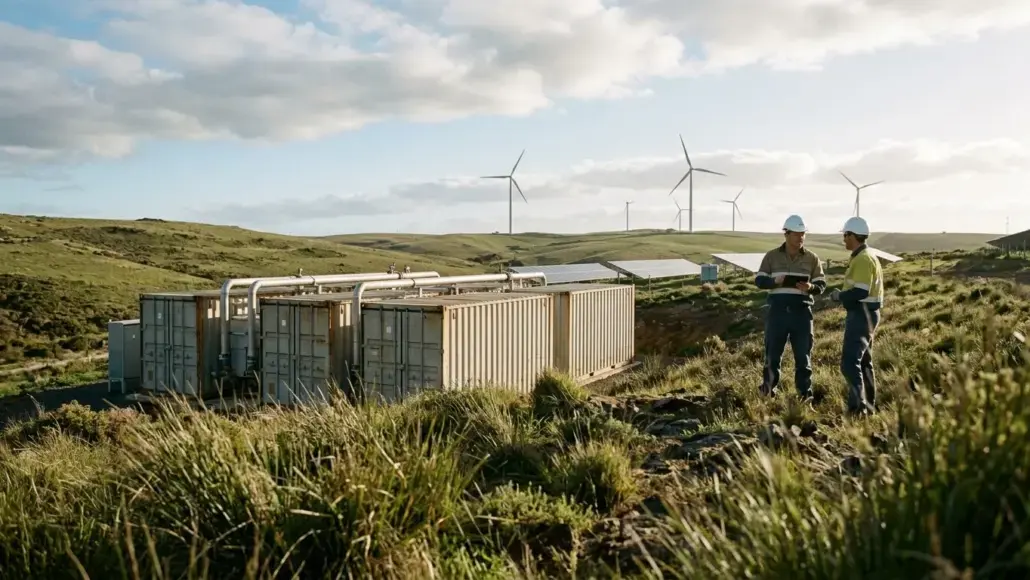
While lithium-ion batteries have dominated the narrative around renewable energy storage, their inherent characteristics make them less suited for the true long-duration requirements of a round-the-clock clean power grid. They are excellent for fast response and short-duration shifting, making them ideal as power backup systems for certain applications. However, scaling them to store energy for days or weeks becomes prohibitively expensive and resource-intensive, both in terms of materials and physical footprint. The future of long-duration energy storage lies in a diverse portfolio of technologies, each optimized for specific duration, capacity, and cost profiles. This strategic diversification is essential for creating clean electricity storage solutions that are both economically viable and technically capable of supporting a fully decarbonized power grid.
The pursuit of achieving round-the-clock clean energy demands that we look beyond single-solution thinking. We need energy storage for renewable power that can ride through prolonged calm periods or extend solar energy availability well into the night and early morning hours. This means exploring technologies that prioritize duration and cost-per-kilowatt-hour over rapid charge/discharge cycles. The development and deployment of these advanced energy storage solutions are paramount for enhancing renewable energy reliability and ensuring grid reliability with energy storage becomes a foundational principle of our future energy systems.
Key Technologies Powering the Future of Clean Energy Storage
The landscape of long-duration energy storage is rich with innovative concepts, many of which are moving rapidly from pilot projects to commercial deployment. These technologies typically fall into several broad categories, each with distinct advantages for utility-scale storage.
Mechanical storage technologies leverage physical forces to store energy. Pumped hydro storage, while geographically constrained, is a mature technology offering significant long-duration capacity. Compressed Air Energy Storage (CAES) stores compressed air in underground caverns, releasing it to drive turbines when power is needed. These systems offer large capacity and long discharge durations, making them crucial for long-duration battery storage alternatives.
Thermal energy storage systems capture heat or cold to be used later. Molten salt storage, for instance, used in concentrated solar power plants, can store heat for many hours, providing power even after the sun sets. Other emerging thermal solutions include using heated sand or other materials, offering cost-effective ways to store large amounts of energy over extended periods.
Electrochemical storage extends beyond conventional lithium-ion. Flow batteries, for example, store energy in liquid electrolytes contained in external tanks, making their capacity independent of their power rating. This design allows for easy scalability to very long durations simply by increasing the size of the tanks, making them ideal for grid-scale energy storage. Other advanced battery chemistries, such as solid-state or metal-air batteries, are also being explored for their potential to offer higher energy density and lower cost for long-duration applications.
Chemical storage, particularly hydrogen, represents a significant frontier. Excess renewable electricity can be used to produce green hydrogen through electrolysis. This hydrogen can then be stored in various forms—gaseous, liquid, or converted into ammonia—and later used to generate electricity in fuel cells or gas turbines when needed. While still facing significant infrastructure and efficiency challenges, green hydrogen holds immense promise as a major component of future firm clean power solutions and a pathway to how to achieve round-the-clock clean energy.
Long-Duration Energy Storage and the Path to Net-Zero Goals
Achieving net-zero energy targets worldwide is intrinsically linked to the successful integration of long-duration energy storage. Without the ability to store vast quantities of renewable energy for extended periods, countries will struggle to transition their grids away from fossil fuels completely. LDES accelerates the clean energy transition by enabling higher penetrations of intermittent renewables, thereby directly reducing carbon emissions from electricity generation. It transforms variable power into reliable, dispatchable firm clean power, a prerequisite for a truly decarbonized power grid.
Furthermore, the deployment of robust energy storage solutions fosters greater energy independence and security. Nations can rely more heavily on domestically generated renewable resources, reducing susceptibility to volatile global fuel markets and geopolitical instabilities. This builds a more sustainable energy infrastructure that is resilient to external shocks and adaptable to future energy demands. The economic implications are equally profound, with new industries, technologies, and job opportunities emerging in the design, manufacturing, and deployment of these advanced systems. It’s a foundational component for making a round-the-clock clean power grid a reality, contributing significantly to global environmental and economic stability.
Overcoming Hurdles and Charting the Future of Long-Duration Energy Storage
While the promise of long-duration energy storage is immense, its widespread adoption faces several challenges that require concerted effort from governments, industry, and researchers. The primary hurdle remains cost-effectiveness. Many LDES technologies, while technically viable, are still more expensive than conventional peaker plants or short-duration storage for specific applications. Significant investment in research and development is needed to drive down costs, improve efficiency, and extend the lifespan of these systems.
Policy frameworks are equally critical. Governments must create regulatory environments that incentivize the development and deployment of LDES, recognizing its unique value proposition for grid reliability with energy storage and its indispensable role in achieving net-zero energy goals. This includes mechanisms for valuing grid services provided by LDES, streamlining permitting processes, and funding demonstration projects. International collaboration and knowledge sharing will also accelerate progress, allowing countries to learn from each other’s experiences and best practices in building large-scale battery storage for grid applications.
The future of long-duration energy storage is bright, characterized by continuous innovation and increasing scale. As the world moves towards higher penetrations of renewables, the demand for sophisticated energy storage solutions will only grow. This growing demand, coupled with technological advancements and supportive policies, will inevitably make long-duration energy storage for round-the-clock clean power a standard feature of electricity grids globally.
In conclusion, the journey towards a future powered entirely by clean, renewable energy sources faces one paramount challenge: ensuring unwavering reliability. While significant strides have been made in renewable generation, the missing piece of the puzzle is unequivocally long-duration energy storage. It is the crucial technology that will bridge the gap between intermittent generation and constant demand, providing the firm clean power necessary for a truly decarbonized power grid. PowerGen Advancement notes that by investing in and deploying diverse energy storage solutions, we can accelerate the clean energy transition, achieve ambitious net-zero energy targets, and build a sustainable energy infrastructure that delivers round-the-clock clean power for generations to come. The era of a truly reliable, renewable-powered grid is within reach, and long-duration energy storage is the key to unlocking it.