












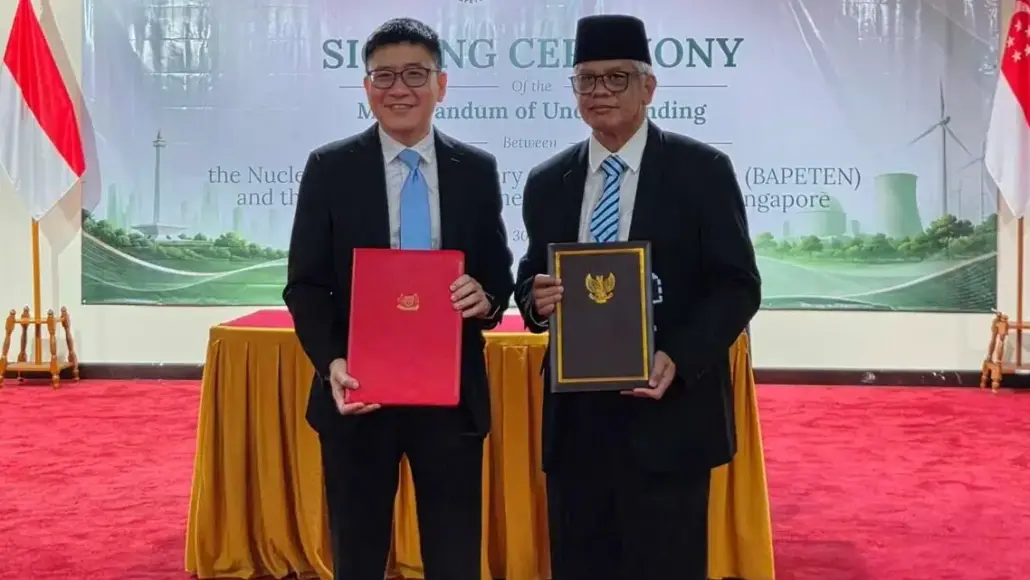
Singapore and Indonesia have taken another step forward in nuclear safety cooperation by signing a memorandum of understanding (MoU) centered on nuclear safety and radiation protection. The agreement seeks to improve regulatory frameworks, enhance emergency preparedness capabilities, and promote the safe use of nuclear technology as both countries work toward long-term sustainability objectives in their energy sectors.
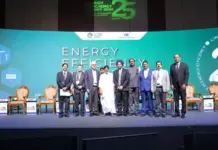
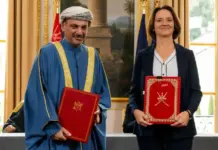
The MoU was signed in Jakarta on 30th June 2026 between Singapore’s National Environment Agency (NEA) and Indonesia’s Nuclear Energy Regulatory Agency (Bapeten). Through this framework, the two agencies will engage in technical exchanges, collaborative training programmes, research initiatives, and knowledge sharing in areas such as nuclear safety, nuclear security, radiation protection, and emergency preparedness.
The arrangement underscores the growing importance of regional partnerships as countries across Southeast Asia assess the potential contribution of nuclear technology to future energy demand.
Leaders Highlight Long-Term Partnership and Regional Preparedness
Benjamin Koh, Chief Executive of Singapore’s NEA, said the nuclear safety cooperation agreement builds on the strong relationship between Singapore and Indonesia. He noted that closer collaboration will help both countries strengthen regulatory oversight, improve emergency response capabilities, and exchange technical knowledge as Singapore continues to study advanced nuclear technologies.
Indonesia’s acting Bapeten chairman, Zainal Arifin, described the agreement as more than a technical arrangement. He said it represents a long-term partnership that will strengthen regulatory capabilities while helping both countries respond to new challenges in nuclear safety and radiation protection.
In addition, the nuclear safety cooperation MoU supports wider regional initiatives aimed at boosting preparedness for nuclear or radiological incidents while promoting the adoption of international safety standards throughout Southeast Asia.
Clean Energy Goals Drive Increased Interest in Nuclear Technology
The nuclear safety cooperation agreement comes as interest in clean energy alternatives continues to grow across the region, with several nations exploring nuclear energy as part of their long-term energy strategies. While Singapore has not made a decision to adopt nuclear power, it has continued to invest in research, develop regulatory expertise, and assess advanced reactor technologies.
The country is also preparing for an Integrated Nuclear Infrastructure Review (INIR) by the International Atomic Energy Agency (IAEA) in 2027. The review will evaluate Singapore’s preparedness in key areas, including safety regulations, emergency planning, radioactive waste management, and institutional capacity before any decision is taken on nuclear energy development.
At the same time, Indonesia is moving ahead with efforts to develop nuclear energy while continuing to strengthen its regulatory system. The newly established agreement creates opportunities for both countries to share expertise, enhance technical capabilities, and ensure that future nuclear projects are supported by rigorous safety and security measures.