

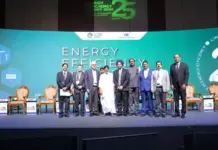




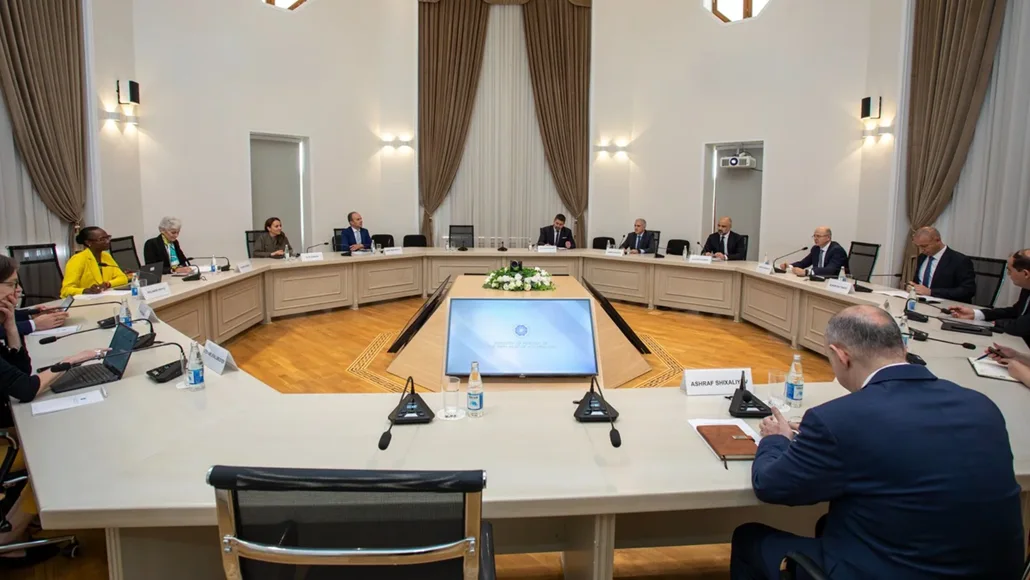
A significant meeting convened at Azerbaijan’s Ministry of Energy between Azerbaijan’s Energy Minister Parviz Shahbazov and World Bank Vice President for Infrastructure Valérie Levkov. The discussions focused on strengthening cooperation in key areas of regional energy interconnections and advancing green energy initiatives.
The agenda included expanding collaborative efforts in the development of renewable energy sources, the crucial modernization of power grids, enhancing energy efficiency measures, and fostering robust regional energy interconnections. This meeting underscored the already successful partnership between Azerbaijan and the World Bank, which spans diverse sectors from hydrocarbons to renewable energy projects. Both parties acknowledged substantial potential for further deepening this collaboration in the coming years. The achievements of Azerbaijan in the renewable energy sector within a compressed timeframe were highlighted as a testament to the ongoing energy sector reforms.
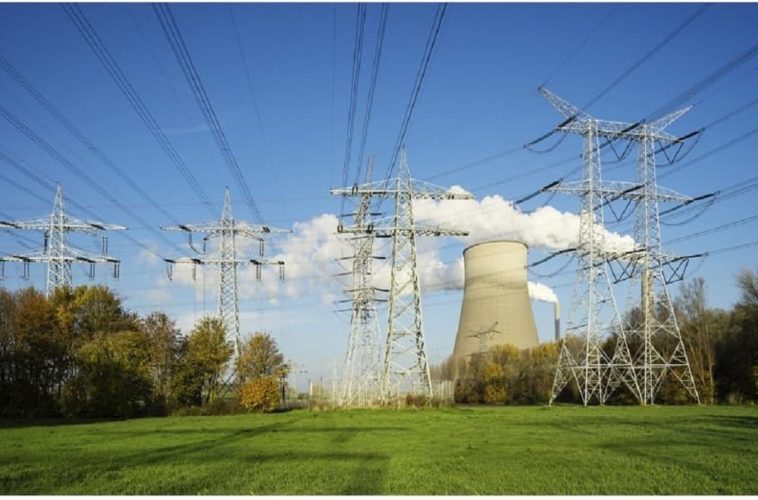
Emphasis was placed on the strategic importance of programs implemented by Azerbaijan, particularly those aimed at reinforcing the transmission grid, facilitating regional energy integration, and improving overall energy efficiency. In the context of evolving global energy challenges, the reliability of transmission grids and the seamless integration of renewable energy sources have emerged as paramount concerns. Azerbaijan’s proactive measures to expand and upgrade its transmission grid were recognized as a sound and forward-thinking strategic approach.
A detailed review was conducted of the progress under the “Strengthening the Transmission Grid” (AZURE) project, an initiative critical for the effective integration of renewable energy sources into the national grid infrastructure. Throughout the proceedings, considerable attention was devoted to Azerbaijan’s strategic vision for enhancing regional energy connections. Presenters provided updates on the ongoing feasibility study for the ambitious “Green Energy Corridor” project, which is planned to extend its reach towards the Black Sea and Eastern Europe.
Further discussions covered ongoing work related to projects on interregional energy interconnections, including the Azerbaijan-Central Asia and Azerbaijan-Georgia-Türkiye-Bulgaria corridors. The development of a power transmission line project originating from the Caspian region and destined for Nakhchivan and Türkiye was also noted as being in the implementation phase.
The potential for collaboration with the World Bank on energy efficiency projects utilizing the energy service company (ESCO) model was also thoroughly assessed. This model, which enables the private sector to generate revenue through demonstrable energy savings without direct government funding, was identified as a potentially beneficial framework for Azerbaijan’s economic and environmental objectives.
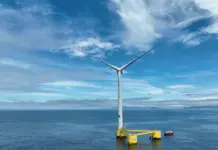
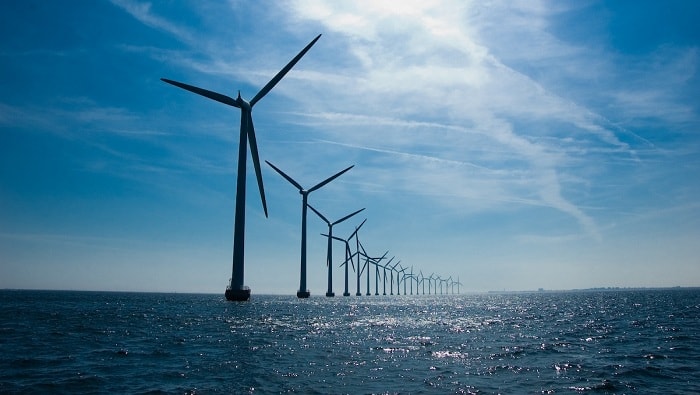
Furthermore, the meeting addressed cooperation opportunities in offshore wind energy projects, the implementation of smart grid technologies, and the deployment of battery energy storage systems (BESS). The World Bank conveyed its strong readiness to provide support and expertise to Azerbaijan in these burgeoning areas of energy development.