




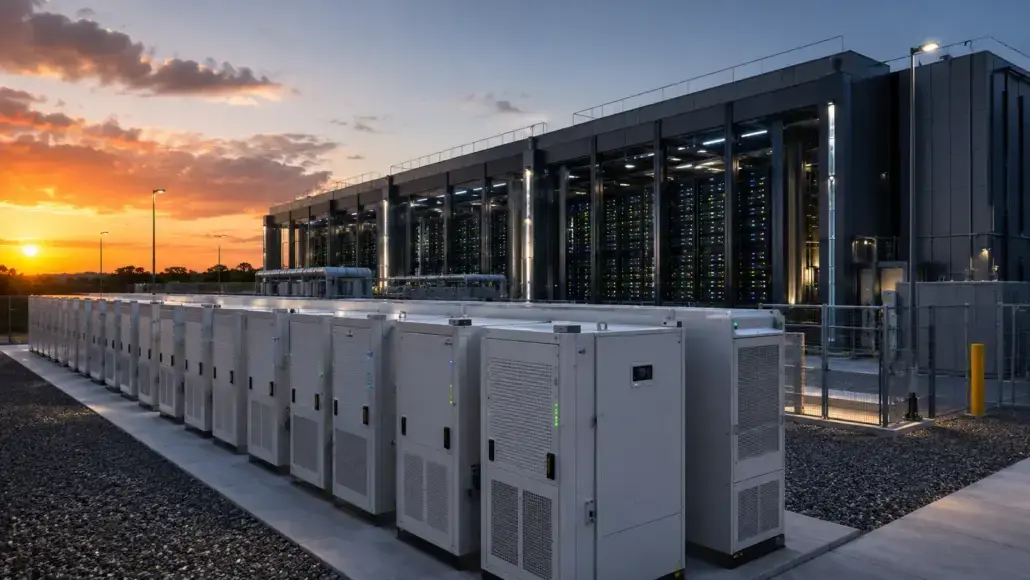
The advent of Artificial Intelligence (AI) has heralded a new era of technological advancement, transforming industries and societal paradigms at an astonishing pace. Yet, this transformative power comes with an equally monumental demand, that is, energy. The computational horsepower required to train sophisticated AI models and process vast datasets is escalating at an unprecedented rate, pushing the operational boundaries of data centers worldwide. Consequently, the conversation around power delivery has shifted dramatically, with battery storage systems for AI data centers emerging as not merely a desirable feature, but an absolutely critical component of modern infrastructure. PowerGen Advancement observes that this profound shift is driven by the sheer scale of AI data center power demand, necessitating robust, reliable, and intelligent energy management solutions.
The Unprecedented Energy Appetite of AI Workloads
Artificial Intelligence, particularly deep learning and large language models, operates on an architectural foundation that thrives on parallel processing and immense data throughput. Training a single large AI model can consume as much energy as hundreds of homes in a year, translating into staggering power requirements for dedicated AI data centers. These facilities are designed to house thousands of GPUs (Graphics Processing Units) and specialized AI accelerators, each drawing significant power. The energy density within these racks is exponentially higher than traditional data center setups, creating unique challenges for power distribution, cooling, and overall energy efficiency. This intensified energy profile inevitably places a massive strain on local and regional power grids, underscoring the urgent need for sophisticated AI infrastructure power solutions.
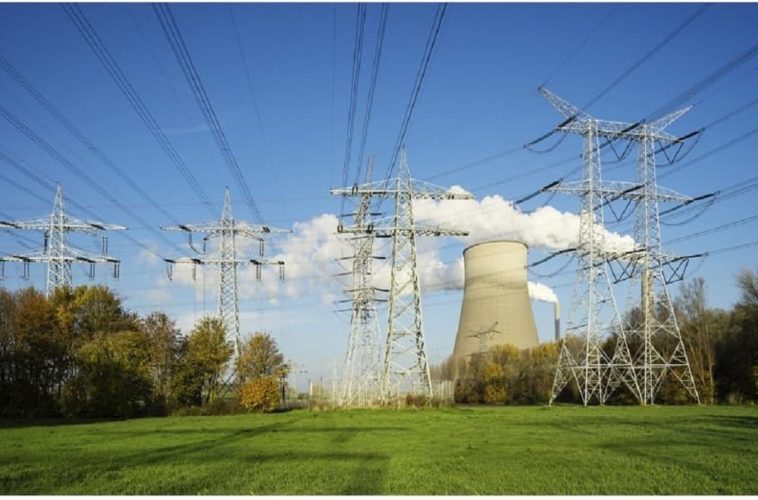
The continuous, high-intensity nature of AI workloads means that power consumption is not just high but also relentlessly sustained. Unlike conventional data centers that might experience fluctuating loads, AI training often runs for days or weeks without interruption. This persistent demand exacerbates the challenges posed by an aging grid infrastructure, which was not originally designed for such concentrated and continuous power draws. The potential for brownouts, voltage sags, and outright blackouts becomes a significant operational threat, directly impacting the integrity of data, the progress of computations, and ultimately, the profitability of AI-driven enterprises.
Bolstering Grid Resilience and Ensuring Uninterrupted Operations
In this high-stakes environment, the traditional role of uninterruptible power supplies (UPS) and generators as mere emergency backups is evolving. Battery backup for data centers is now a cornerstone of their operational strategy, extending far beyond the provision of short-term power bridging until generators can take over. Modern data center energy storage systems are designed to offer multi-faceted benefits that address the core vulnerabilities of AI operations.
Fortifying Critical Power Infrastructure Against Volatility
The primary and most intuitive benefit of advanced battery storage systems is their ability to provide instantaneous, reliable power during grid disturbances. For AI data centers, even a momentary power flicker can corrupt ongoing computations, requiring costly restarts and significant delays. Critical power infrastructure within these facilities must ensure absolutely seamless power delivery. Battery energy storage systems for data centers act as a robust buffer, isolating sensitive AI equipment from grid fluctuations and interruptions, thereby safeguarding complex algorithms and invaluable data. This ensures continuous operation, which is vital for meeting project deadlines and maintaining competitive advantage in the fast-paced AI development landscape.
Enhancing Grid Resilience for Data Centers
Beyond simply providing emergency power, sophisticated battery storage solutions play a proactive role in grid resilience for data centers. They can absorb excess energy from the grid during periods of low demand and inject it back during peak times, effectively smoothing out demand curves. This capability transforms data centers from passive consumers into active participants in grid stability. By offering ancillary services like frequency regulation and voltage support, data centers equipped with advanced battery storage can help utilities manage the grid more effectively, reducing the likelihood of widespread power issues that could impact not only the data center but also the broader community. This collaborative approach fosters a more stable and reliable energy ecosystem for everyone.
Strategic Energy Management and Cost Optimization
The immense energy costs associated with AI data centers present a significant operational challenge. Electricity tariffs often vary throughout the day, with peak hours commanding substantially higher rates. This is where the strategic advantage of peak shaving for AI data centers becomes incredibly clear.
Capitalizing on Off-Peak Energy for Peak Shaving
Battery storage systems allow data center operators to implement intelligent energy management strategies. During off-peak hours, when electricity is cheaper, the battery systems can be charged. Then, during peak demand periods, instead of drawing expensive power directly from the grid, the data center can switch to drawing power from its stored battery reserves. This practice, known as peak shaving, can lead to substantial reductions in electricity bills, directly impacting the operational expenditure of an AI data center. The financial savings realized through optimized energy purchasing can then be reinvested into further AI research and development or other critical infrastructure upgrades.
Moreover, in regions with demand response programs, data centers with significant energy storage capabilities can actively participate. By voluntarily reducing their grid consumption or injecting power back into the grid during times of high stress, they can earn financial incentives from utility providers. This turns energy consumption into a strategic asset, further enhancing the economic viability of operating large-scale AI infrastructure.
Paving the Way for Sustainable AI Infrastructure Power Solutions
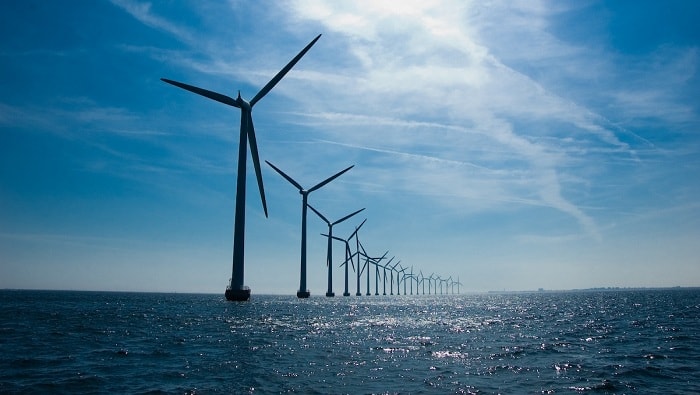
The integration of energy storage systems for data centers also serves a vital role in advancing sustainability goals. As organizations increasingly commit to reducing their carbon footprint, linking data center operations with renewable energy sources becomes paramount. Intermittent renewable energy sources like solar and wind power often generate electricity when demand is low or when the sun isn’t shining/wind isn’t blowing. Battery storage provides the essential bridge, capturing this clean energy when it’s available and dispatching it when needed, ensuring a consistent power supply for AI workloads. This capability makes AI data centers not only powerful but also environmentally responsible, aligning technological progress with global sustainability imperatives.
The Evolving Landscape of Data Center Energy Storage Technologies
PowerGen Advancement highlights that the technology underpinning battery storage for AI data centers is rapidly advancing. While lead-acid batteries have historically been used for UPS systems, lithium-ion battery technology, particularly Lithium Iron Phosphate (LFP) chemistries, is increasingly favored for its higher energy density, longer lifespan, faster charging capabilities, and improved safety profiles. These advancements allow for more compact installations, crucial in space-constrained data centers, and offer greater overall efficiency. Emerging technologies, such as solid-state batteries and even flow batteries, promise further improvements in cost, performance, and safety, indicating a dynamic future for AI data center uptime solutions.
However, deploying these systems requires careful consideration of factors beyond just initial cost, including thermal management, fire suppression, and end-of-life battery recycling. Comprehensive energy management systems (EMS) are crucial for monitoring battery health, optimizing charge/discharge cycles, and ensuring the seamless integration of battery storage with other power components, including generators and grid connections. The effective implementation of these systems requires specialized expertise and a forward-thinking approach to power infrastructure design.
Conclusion: Battery Storage as a Non-Negotiable Foundation for AI
The meteoric rise of Artificial Intelligence is undeniably reshaping our world, but its sustained growth is inextricably linked to the availability of resilient, efficient, and sustainable power infrastructure. The formidable AI data center power demand makes it abundantly clear that relying solely on traditional grid connections is no longer viable. Therefore, battery storage for AI data centers has transcended its conventional role, becoming an absolutely essential component of modern power architecture.
From safeguarding against debilitating outages and ensuring crucial AI data center uptime solutions, to enabling significant cost savings through peak shaving for AI data centers, and actively contributing to grid resilience for data centers, advanced battery storage offers a multifaceted solution to the complex power challenges of the AI era. As AI continues to evolve and demand even greater computational prowess, the strategic investment in robust and intelligent data center energy storage will not merely be an operational advantage, but a foundational requirement for any enterprise seeking to harness the full potential of artificial intelligence responsibly and sustainably. PowerGen Advancement sees this as the future of AI infrastructure: powered by intelligence, and secured by resilient energy storage.