


The digital revolution, powered by the relentless march of artificial intelligence, is transforming nearly every facet of our lives, from personalized recommendations to complex scientific discoveries. This profound shift, however, comes with an equally profound requirement an immense and ever-growing appetite for energy. Data centers, the physical backbone of this digital age, are consuming power at an unprecedented rate, creating a unique challenge for global energy infrastructure. In response, a discernible trend is emerging the increasing prominence of gas-to-power projects for AI data centers. These initiatives are not merely an option. They are rapidly becoming an indispensable solution to a burgeoning energy crisis, driven by the critical need for reliable, scalable, and rapidly deployable power generation.
For years, the energy sector has grappled with the dual pressures of meeting escalating demand while simultaneously pursuing decarbonization. The advent of sophisticated AI models, with their insatiable hunger for computational power, has intensified this challenge. Traditional grid infrastructure, often strained by peak loads and the intermittency of some renewable sources, is finding it increasingly difficult to guarantee the uninterrupted, high-quality power that modern AI data centers demand. Power Gen Advancement highlights that this pivotal intersection of technological advancement and energy constraint is precisely where gas-to-power projects for AI data centers are carving out their essential role. They are addressing not only the specialized requirements of advanced AI infrastructure but also supporting broader industrial energy demand and bolstering overall grid reliability.
The Insatiable Appetite of AI and the Digital Frontier
The current trajectory of artificial intelligence development is characterized by exponential growth, with each successive generation of AI models requiring significantly more computational power than its predecessors. Training a single large language model, for instance, can consume as much energy as hundreds of homes over several months. These computations are primarily carried out within vast AI data centers, facilities that are not only packed with thousands of high-performance servers but also require substantial power for cooling systems, networking equipment, and auxiliary infrastructure.
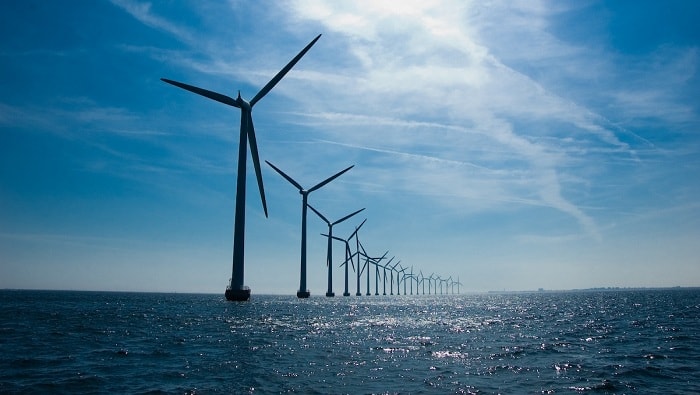
This colossal data center energy demand presents a formidable hurdle. While the long-term vision for many organizations includes powering these facilities entirely with renewable energy, the practical realities of solar and wind generation often fall short of the continuous, high-density power supply required by AI workloads. Renewables are inherently intermittent. The sun doesn’t always shine, and the wind doesn’t always blow. For an AI data center, even momentary power fluctuations or outages can lead to significant operational disruptions, data loss, and substantial financial implications. The imperative for unwavering grid reliability is therefore paramount, pushing operators to seek power generation solutions that can ensure constant energy flow regardless of external environmental conditions. The sheer scale and criticality of energy for data centers mean that backup generators, while useful for emergencies, are insufficient for continuous, primary power support. This is where the concept of dedicated, proximate power solutions gains significant traction.
Natural Gas: A Pragmatic Bridge to Power Modern Demands
In this complex energy landscape, Power Gen Advancement notes that natural gas has emerged as a pragmatic and efficient bridging fuel. While not carbon-free, modern natural gas power plants offer several advantages over other fossil fuels, notably significantly lower carbon emissions compared to coal, and far fewer pollutants like sulfur dioxide and particulate matter. Crucially, natural gas offers something that intermittent renewables cannot currently provide on their own dispatchable power.
Dispatchable power refers to energy generation sources that can be turned on or off, or ramped up and down, on demand. This flexibility is vital for balancing the grid and compensating for fluctuations in renewable energy supply. For an AI data center requiring a constant, high-quality power supply, the ability to generate electricity precisely when and where it is needed is invaluable.
The development of advanced gas turbine technology has further enhanced the appeal of gas-to-power projects. Modern turbines boast higher efficiencies, quicker start-up times, and greater operational flexibility, making them ideal candidates for rapid deployment and integration into existing or new energy infrastructure. These attributes enable gas-to-power projects to offer a reliable and robust solution for the immediate and growing energy needs of the digital economy, effectively filling the gap until fully sustainable, scalable, and dispatchable renewable solutions become universally viable.
Driving Forces: AI, Industrial Growth, and Grid Stability
The rising trend of gas-to-power projects for AI data centers is fueled by a confluence of factors, extending beyond the immediate needs of AI to encompass broader industrial and grid stability imperatives.
The AI Infrastructure Imperative
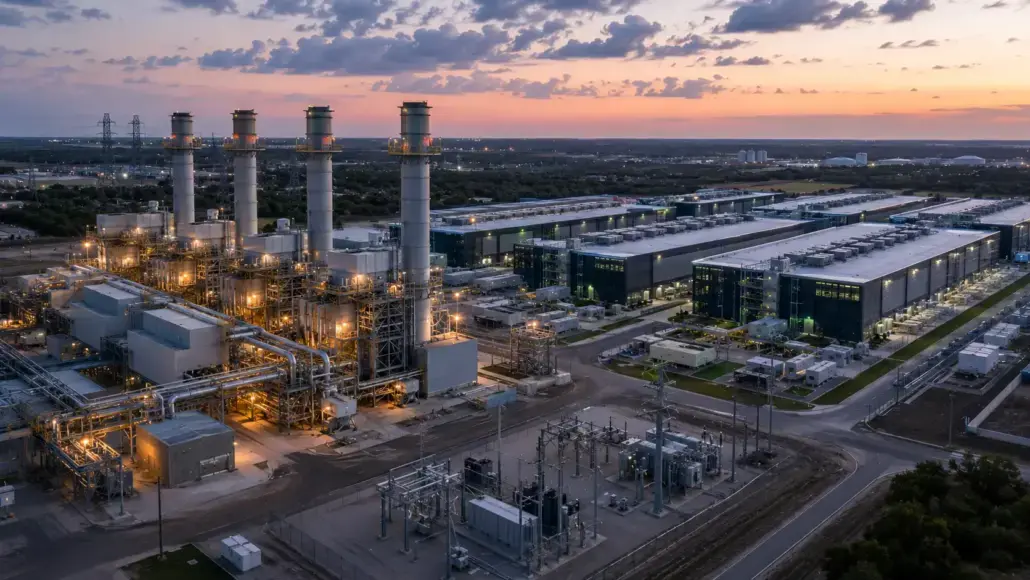
The exponential increase in AI infrastructure demands power that is not only abundant but also highly resilient and available on-demand. Developing and deploying sophisticated AI models, from large language models to complex simulation engines, involves computationally intensive processes that run continuously. These workloads cannot tolerate power interruptions or voltage sags. Co-locating power generation assets, specifically gas-to-power projects, near or directly within data center campuses provides an independent, highly reliable source of electricity, reducing reliance on often distant and sometimes vulnerable central grid connections. This direct approach mitigates risks associated with transmission losses and grid congestion, ensuring that the colossal energy for data centers is met with unwavering reliability. This localized generation strategy is increasingly seen as a direct response to the unique operational demands of cutting-edge AI.
Beyond AI: Supporting Broader Industrial Energy Demand
While AI data centers are a significant driver, the need for reliable, dispatchable power extends across the industrial landscape. Sectors ranging from advanced manufacturing and chemical processing to mining and logistics are undergoing significant digital transformation, increasingly integrating automation, IoT devices, and data analytics. These industries also require stable and substantial power supplies to maintain continuous operations and optimize efficiency. Industrial energy demand is continuously evolving, driven by innovation and expansion. Gas-to-power projects are not solely tailored for data centers. Their inherent flexibility and capacity make them ideal for supporting this wider spectrum of industrial applications. By strategically deploying these gas-to-power projects, regions can ensure energy security and foster economic growth across multiple sectors.
Enhancing Grid Reliability and Energy Security
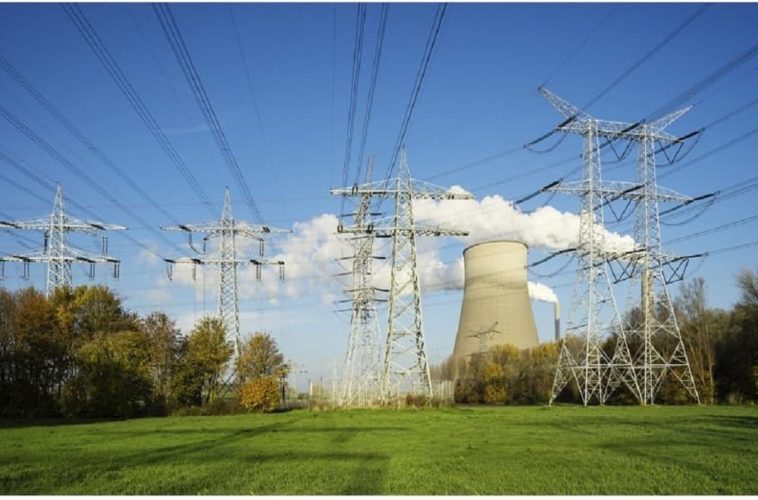
The increasing penetration of intermittent renewable energy sources into national grids, while crucial for decarbonization, introduces complexity in maintaining grid stability. Fluctuations in solar and wind power output require flexible generation sources to balance supply and demand. Natural gas power plants excel at this, acting as a crucial complement to renewables by providing prompt and adjustable power when renewable output dips or demand spikes. This dynamic interplay significantly enhances grid reliability, preventing blackouts and ensuring a consistent power supply. From a broader energy security perspective, gas-to-power projects can reduce dependence on volatile global energy markets, offering a more localized and predictable source of energy, especially for nations with access to domestic natural gas reserves. This strategic deployment empowers utilities and industrial consumers alike with greater control over their energy supply.
Technological Advancements and Environmental Considerations
Modern gas-to-power projects are far removed from their predecessors. Significant technological advancements in gas turbine design have led to improved efficiency, lower fuel consumption per unit of electricity generated, and reduced emissions profiles. Innovations such as combined-cycle gas turbines (CCGT) capture waste heat to generate additional electricity, significantly boosting overall plant efficiency to over 60%. Furthermore, many contemporary natural gas power plants are designed with carbon capture readiness, meaning they can be retrofitted with carbon capture, utilization, and storage (CCUS) technologies as these solutions become more economically viable and widespread.
Beyond CO2 emissions, the industry is also making strides in minimizing methane leakage across the natural gas value chain, from extraction to consumption, which is critical given methane’s potent greenhouse gas effects. By continuously improving operational practices and investing in leak detection and repair technologies, the environmental footprint of natural gas is being systematically addressed. While the ultimate goal remains a fully renewable energy future, gas-to-power projects serve as a vital transitional technology, offering a robust and relatively cleaner alternative to higher-emitting fossil fuels, while providing the stability required to integrate more renewables into the grid effectively. They represent a balanced approach, addressing immediate energy imperatives while laying the groundwork for a greener future.
The Economic and Strategic Imperative of Gas-to-Power
The economic rationale behind the proliferation of gas-to-power projects is compelling. Compared to the often lengthy and capital-intensive development cycles of large-scale nuclear or hydro projects, or the extensive land requirements for utility-scale solar and wind farms, natural gas plants can be deployed relatively quickly and with a competitive cost profile, especially when proximity to a gas pipeline infrastructure is favorable. This speed of deployment is a significant advantage when faced with the urgent data center energy demand driven by rapid AI expansion.
Moreover, the operational flexibility of these plants translates into economic benefits. They can respond rapidly to market signals, adjusting output to match demand fluctuations, which is crucial in dynamic energy markets. For countries with abundant domestic natural gas resources, investing in gas-to-power projects can also bolster energy independence, reducing reliance on imported energy sources and insulating national economies from global price volatility. This strategic imperative is particularly strong in an era of heightened geopolitical complexities. For burgeoning AI infrastructure sectors, securing a stable and predictable energy supply is not just an operational necessity but a competitive advantage, enabling sustained innovation and growth without the constraints of an unreliable power grid. The investment into robust, dispatchable power generation is, therefore, an investment into the future economic and technological leadership.
Conclusion
The ascent of artificial intelligence and the expansion of digital economies are presenting an unprecedented challenge to global energy systems. The demand for always-on, high-quality power for AI data centers and broad industrial energy demand is compelling a pragmatic evolution in our energy strategies. In this context, gas-to-power projects for AI data centers are not just a stopgap measure but a fundamental and critical component of the modern energy landscape.
These projects offer a powerful blend of reliability, scalability, and efficiency, providing the essential dispatchable power needed to stabilize grids and ensure the continuous operation of vital digital infrastructure. While the long-term vision remains firmly set on a future powered by truly sustainable and renewable sources, the immediate future necessitates practical solutions that can bridge the gap without compromising economic growth or technological advancement. Gas-to-power projects serve precisely this purpose, ensuring grid reliability and supporting the relentless march of AI while paving a more stable path toward a lower-carbon future. As AI continues to redefine possibilities, Power Gen Advancement believes that the partnership between advanced technology and adaptable power generation solutions like gas-to-power will be crucial in fueling the next wave of innovation.