




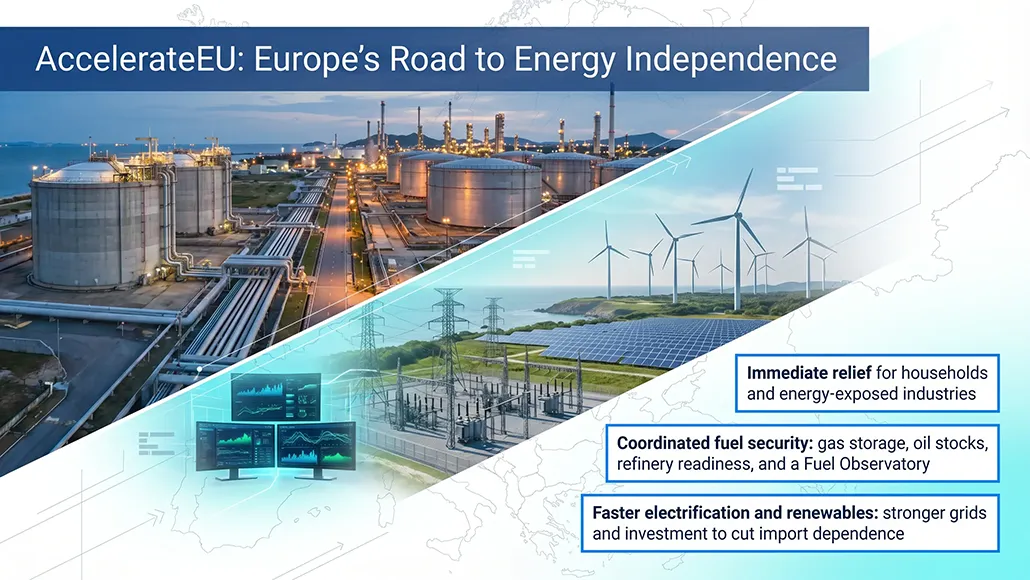
Europe is once again confronting the economic consequences of its reliance on imported fossil fuels, marking the second such instance in under five years. Through the AccelerateEU initiative, the European Commission has introduced a comprehensive set of measures aimed at delivering immediate support to households and industries, particularly those most exposed to rising costs, while reinforcing a long-term pathway toward energy independence. Since the escalation of the conflict in the Middle East, the European Union has incurred an additional €24 billion in energy import costs, despite not receiving any increase in supply. This situation underscores the urgency of the clean energy shift, as policymakers seek to reduce vulnerability to volatile global markets and strengthen resilience through domestic energy production and electrification. The clean energy shift is positioned as both a strategic and economic necessity in the current geopolitical climate.
The Commission’s proposal combines short-term interventions with structural reforms designed to stabilize energy systems and accelerate the clean energy shift. Coordination among Member States is emphasized as critical, particularly in areas such as refilling underground gas storage, managing oil stock releases, and ensuring refinery production capacities for fuels like jet fuel and diesel. Regular meetings of Oil and Gas Coordination groups are intended to maintain situational awareness across the EU. Additionally, a new Fuel Observatory will monitor production, imports, exports, and stock levels of transport fuels, enabling early detection of shortages and facilitating targeted responses to maintain balanced distribution. Temporary consumer protection measures, including income support schemes, energy vouchers, and reduced electricity excise duties for vulnerable households, are also part of the strategy, reinforcing the immediate dimension of the clean energy shift.
European Commission President Ursula von der Leyen highlighted the broader implications of these actions, stating: “The choices we make today will shape our ability to face the challenges of today and the crises of tomorrow. Our AccelerateEU strategy will bring both immediate and more structural relief measures to European citizens and businesses. We must accelerate the shift to homegrown, clean energies. This will give us energy independence and security, and mean we are better able to weather geopolitical storms.”
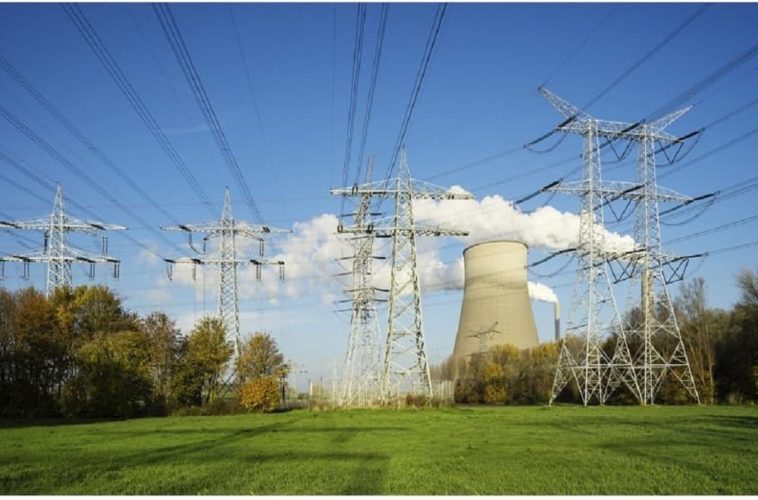
Looking ahead, the Commission plans to intensify electrification efforts, including the introduction of an Electrification Action Plan by the summer, alongside measures to expand grid infrastructure and maximize renewable energy capacity. Investments will play a crucial role, with funding streams such as the Recovery and Resilience Facility (€219 billion) and an estimated €660 billion annual requirement for the energy transition through 2030. A Clean Energy Investment Strategy adopted in March 2026 aims to mobilize private capital, supported by a forthcoming Clean Energy Investment Summit. Together, these initiatives form a coordinated response to the crisis, aligning immediate relief with the long-term objectives of the clean energy shift.