


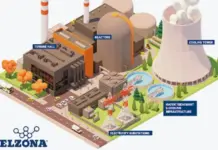



The Waste to Energy (WtE) sector is currently undergoing a digital revolution. Historically, these facilities were managed through a combination of traditional mechanical expertise and reactive control systems. However, the increasing complexity of environmental regulations and the need for higher energy yields have pushed the industry toward a new frontier: the smart plant. Digitalizing Waste to Energy plants involves the integration of the Industrial Internet of Things (IIoT), big data analytics, and artificial intelligence into the very fabric of the facility. This transformation is not just about replacing paper logs with digital screens. It is about creating an intelligent, self-optimizing ecosystem that can handle the inherent unpredictability of municipal waste with unprecedented precision.
The Foundation of Data Acquisition and Connectivity
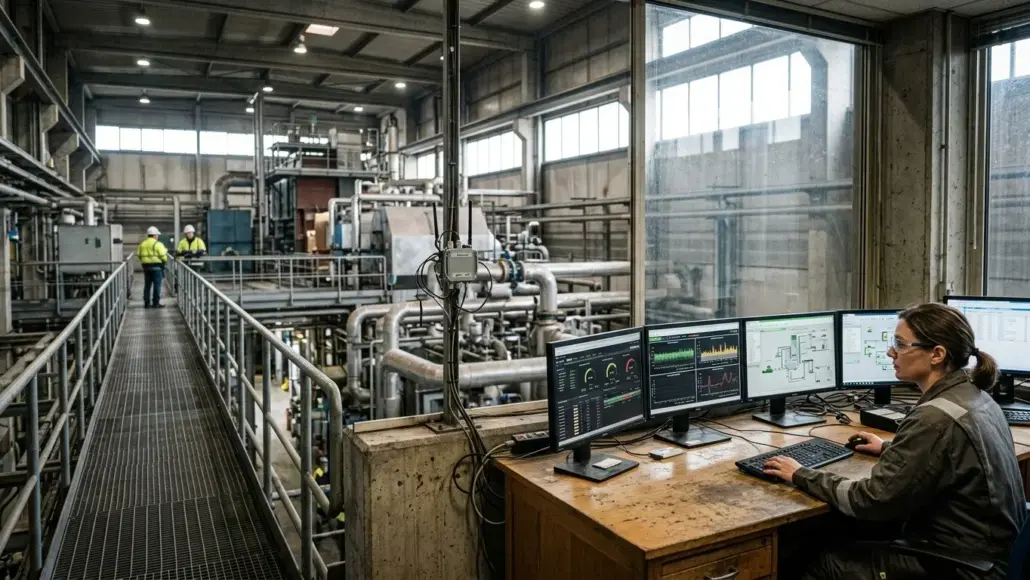
At the core of any digitalization effort is data. A modern WtE plant is equipped with thousands of sensors that monitor everything from the vibration of a primary air fan to the chemical composition of the flue gas. In a traditional setup, much of this data was siloed or used only for immediate control logic. Digitalizing Waste to Energy plants requires breaking down these silos and funneling all data into a centralized platform, often referred to as a ‘Data Lake’.
By connecting these sensors through high-speed industrial networks, operators can gain a holistic view of the plant’s health. This connectivity allows for the cross-referencing of data points that were previously viewed in isolation. For example, by correlating the crane’s waste-mixing patterns with the furnace’s temperature stability ten minutes later, the system can begin to identify the ideal mix for a given day’s feedstock. This level of insight is the first step toward moving from reactive troubleshooting to proactive optimization.
AI-Driven Combustion Optimization and Control
The combustion of municipal waste is a highly non-linear and chaotic process. The caloric value of the fuel changes constantly, and the interaction between air flow, grate speed, and waste bed thickness is incredibly complex. Human operators, while highly skilled, cannot process all these variables in real time to maintain a perfect steady state. This is where artificial intelligence and machine learning become invaluable tools for digitalizing Waste to Energy plants.
Advanced Combustion Control (ACC) systems now use AI algorithms to predict how the furnace will respond to a specific change in waste quality. By training these models on years of historical operational data, the AI can ‘see’ a temperature dip coming before it actually happens and adjust the air-to-fuel ratio in anticipation. The result is a much more stable steam flow and higher thermal efficiency. Furthermore, by reducing the frequency of extreme temperature fluctuations, the AI helps protect the boiler tubes from thermal stress, directly contributing to the plant’s long-term reliability.
Predictive Maintenance and Asset Reliability
One of the most significant financial drains on a WtE facility is unplanned downtime. A single day of lost production can cost a plant tens of thousands of dollars in lost tipping fees and energy revenue. Digitalizing Waste to Energy plants tackles this challenge through predictive maintenance. Instead of performing maintenance on a fixed schedule, the system uses smart sensors, such as acoustic monitors and oil analysis probes, to determine the actual condition of the equipment.
Machine learning models can identify the subtle signatures of an impending bearing failure or a pump seal leak weeks before a human operator would notice. This allows maintenance to be scheduled during planned outages, minimizing the impact on the plant’s availability. This data-driven approach to asset management ensures that the facility operates at peak capacity for the maximum number of hours each year, significantly improving its overall return on investment.
Digital Twins for Simulation and Operator Training
A digital twin is a high-fidelity virtual model of the physical WtE plant that is updated in real time with sensor data. This technology is a cornerstone of digitalizing Waste to Energy plants, providing a safe environment for testing new operational strategies. For example, if an operator wants to see the impact of increasing the steam temperature by five degrees on the plant’s corrosion profile, they can simulate it on the digital twin first.
Beyond optimization, digital twins are revolutionizing operator training. New staff can be trained on a virtual replica of the exact plant they will be working in, experiencing various failure scenarios and edge cases in a risk-free setting. This ensures that when they move to the actual control room, they have a deep, intuitive understanding of the plant’s dynamics. This high level of human-machine synergy is essential for maintaining performance standards as the industry’s technology becomes increasingly sophisticated.
Optimizing Energy Export and Grid Interaction
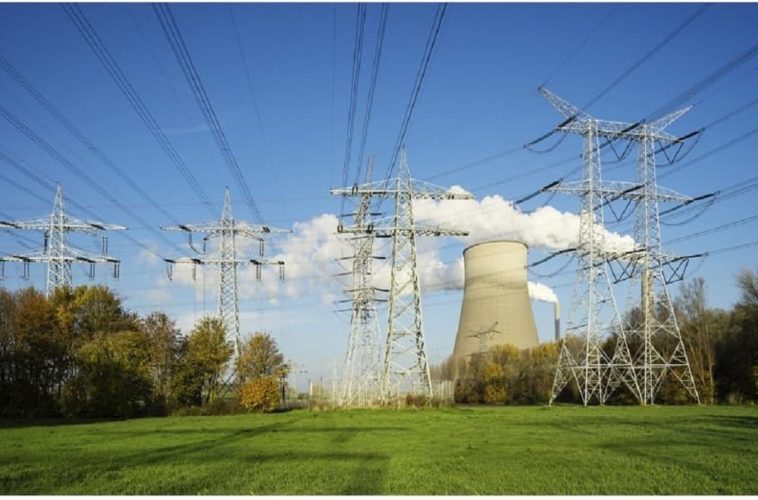
Digitalization also extends beyond the plant gate. As the energy grid incorporates more intermittent renewables like wind and solar, the role of WtE as a flexible, baseload provider becomes more important. Digitalizing Waste to Energy plants includes the integration of the plant with energy market data. This allows the facility to adjust its output in response to price signals, maximizing revenue by exporting more power when prices are high.
Smart grid integration also enables WtE plants to provide ancillary services, such as frequency regulation. By precisely controlling the steam turbine’s output, the plant can help stabilize the grid’s frequency in response to sudden changes in demand. These digital links between the waste facility and the wider energy market transform the plant from a simple waste processor into a dynamic and highly valuable participant in the regional energy economy.
Transparency and Environmental Reporting
In the modern world, social license to operate is just as important as technical efficiency. Digitalizing Waste to Energy plants provides the tools for unprecedented transparency in environmental reporting. Real-time emission data from the stack can be shared directly with regulators and even displayed on public-facing websites. This builds trust with the community by proving that the facility is consistently operating within its permits.
Furthermore, digital systems can automate the complex reporting requirements associated with waste management and energy production. This reduces the administrative burden on plant staff and eliminates the risk of human error in data entry. By having a ‘single source of truth’ for all operational and environmental data, management can make more informed decisions and demonstrate the plant’s sustainability credentials to investors and stakeholders with confidence.
The Human Element in the Digital Plant
It is a common misconception that digitalization is intended to replace humans. In reality, digitalizing Waste to Energy plants is about empowering the workforce. By automating the routine and mundane tasks—like data collection and basic control loops—the system frees up engineers and operators to focus on high-level strategic decision-making.
A digital plant requires a new set of skills, blending traditional mechanical knowledge with data literacy. Successful facilities are those that invest in training their staff to use these new tools effectively. When the expertise of a seasoned plant manager is combined with the analytical power of an AI, the result is an unbeatable combination that can drive performance to levels that were previously unimaginable. This cultural shift toward a data-driven mindset is perhaps the most important part of the entire digitalization journey.
Conclusion
Digitalizing Waste to Energy plants is the pathway to the next generation of energy recovery. By harnessing the power of data, AI, and connectivity, we can overcome the historical challenges of feedstock variability and operational complexity. These smart plants are not only more efficient and profitable, but also cleaner and more resilient. As we move deeper into the era of Industry 4.0, PowerGen Advancement believes that the WtE sector will continue to innovate, proving that even the most traditional industries can be transformed through the power of digital technology. The result will be a more sustainable world where our waste is managed with the highest degree of precision, and its energy potential is fully realized for the benefit of society.