










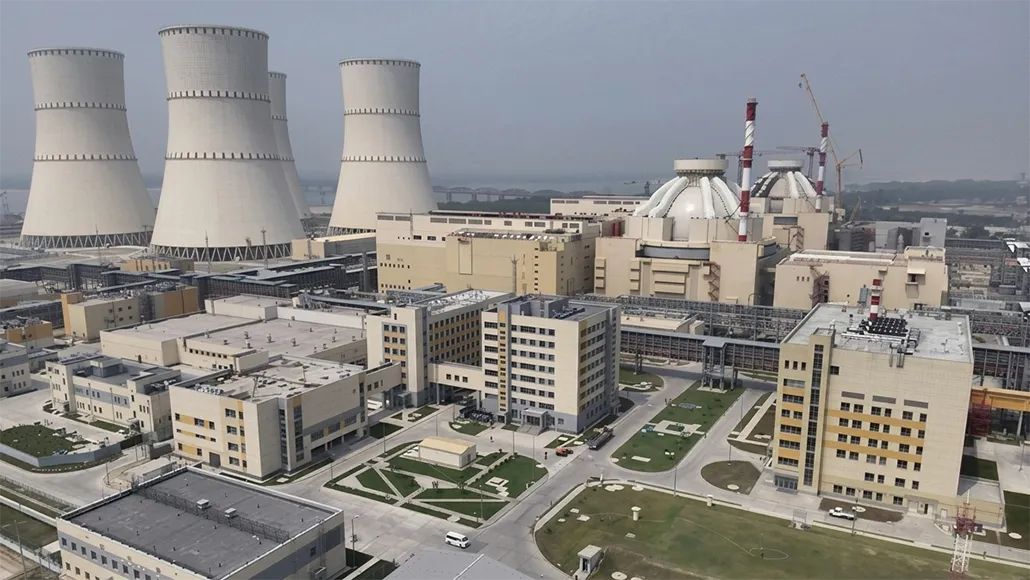
A formal ceremony in Bangladesh has marked the beginning of fuel loading at the Rooppur Nuclear Power Plant, where 163 nuclear fuel assemblies are being introduced into the first unit. This milestone represents a defining moment in the development of Bangladesh nuclear energy, as fuel loading signals the transition from construction to the startup phase of a nuclear reactor. The process, regarded as one of the most critical stages in commissioning, is expected to take about 45 days to complete, according to Bangladesh press reports. Once this phase concludes, the reactor will be brought to a minimum controllable power level, followed by a series of checks and tests before output is gradually increased in stages.
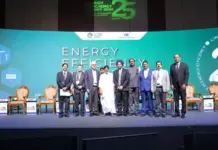
Fakir Mahbub Anam, Minister of Science and Technology, said: “The Rooppur Nuclear Power Plant project serves as a symbol of Bangladesh’s scientific progress and demonstrates the country’s willingness and ability to responsibly and effectively harness advanced technologies.”
His remarks underscore the strategic importance of fuel loading in advancing energy security and reinforcing Bangladesh nuclear energy ambitions. The progress at Rooppur highlights how the integration of nuclear fuel assemblies is central to the country’s broader push toward industrial growth and technological development.
The project is being implemented with the support of Rosatom, whose Director General Alexei Likhachev, said: “The Rooppur Nuclear Power Plant will undoubtedly become a vital element of the country’s energy system.”
The ongoing fuel loading operation further reflects the collaboration between Bangladesh and Rosatom in delivering large-scale nuclear infrastructure.
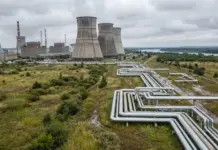
The Rooppur project has evolved over more than a decade. In February 2011, Russia’s Rosatom signed an agreement for two reactors at the site, located about 160 kilometres from Dhaka, for the Bangladesh Atomic Energy Commission. A USD12.65 billion contract followed in December 2015, while the Bangladesh Atomic Regulatory Authority issued the first site licence in June 2016, enabling preliminary works. Construction of unit 1 began in November 2017, with unit 2 following in July 2018. Designed for a 60-year life-cycle with a possible 20-year extension, the plant received its first batch of nuclear fuel in October 2023, marking its recognition as a nuclear facility. Subsequent milestones included turbine installation, hydraulic and hot functional tests, and finally an operating licence issued by the Bangladesh Nuclear Regulatory Authority on 16 April, paving the way for the current fuel loading phase.